EPISODE · Dec 11, 2025 · 1H 8M
The Phantom of the Opera
from The Next Reel Film Podcast · host TruStory FM
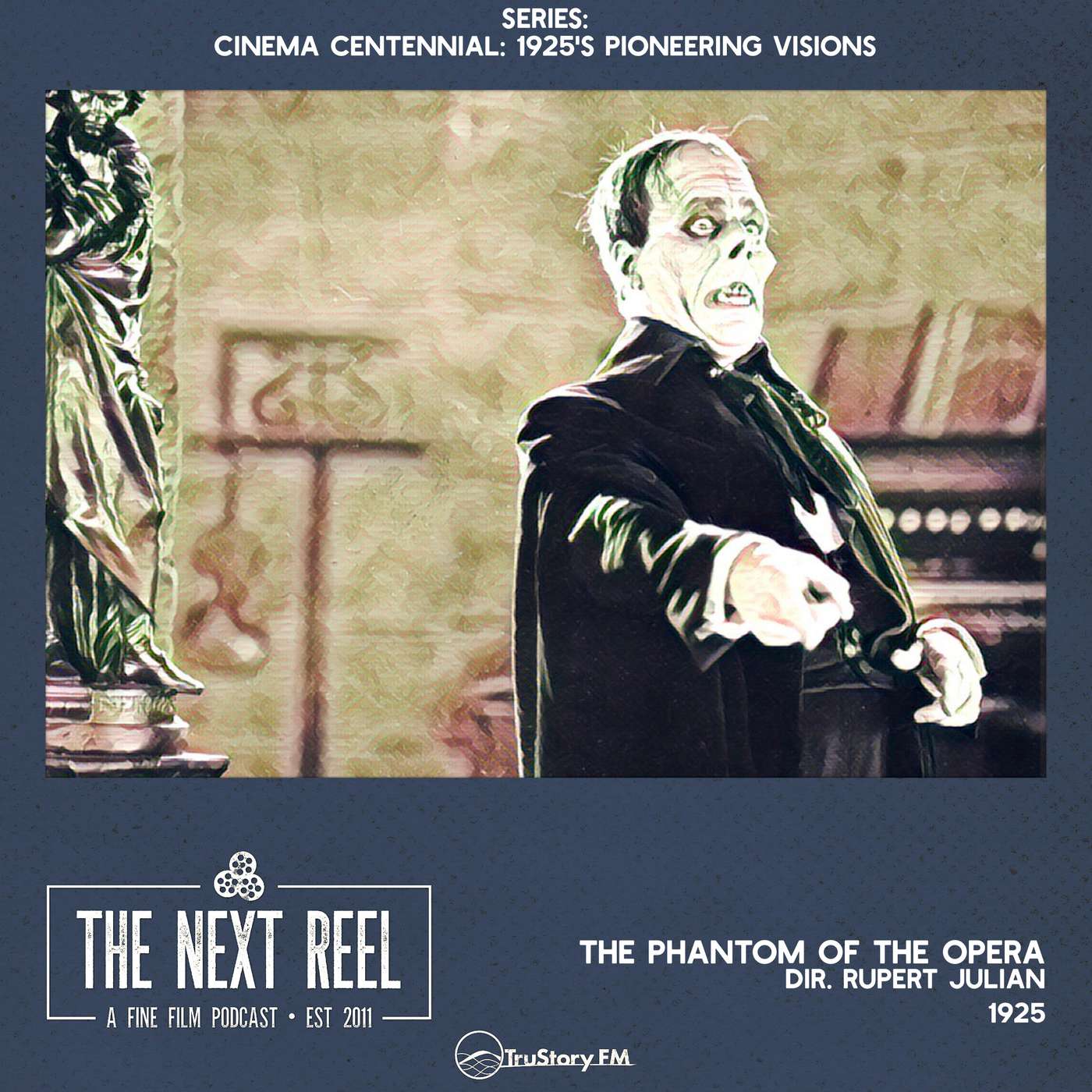
Cast your vote for The Next Reel as Best TV & Film Podcast today!“I can not leave the opera now. There is a strange force that drives me on.”From Stage to Screen: Universal's Monster Legacy BeginsThe Phantom of the Opera (1925), directed by Rupert Julian, marked Universal Studios' first major entry (kinda) into what would become their legendary monster film series. Based on Gaston Leroux's 1910 novel, the film starred Lon Chaney in his iconic role as Erik, the disfigured Phantom haunting the Paris Opera House. The production's tumultuous journey, including multiple directors and versions, ultimately resulted in a landmark horror film that helped establish Universal's gothic horror aesthetic.A Fractured Production Creates an Enduring LegacyPete and Andy explore the film's fascinating production history, discussing how multiple directors, reshoots, and varying cuts created a uniquely patchwork final product. They examine how Lon Chaney's self-designed makeup and commanding performance anchored the film despite its behind-the-scenes chaos, with both hosts agreeing his work remains the strongest element of the production.Examining the Monster WithinThe hosts debate the film's place in Universal's monster canon, noting how it differs from later supernatural entries by focusing on human disfigurement rather than otherworldly threats. They discuss how this approach creates certain problematic elements when viewed through a modern lens, while acknowledging its historical importance in establishing horror film conventions.Key Discussion PointsThe film's various versions and how they've survived to present dayUniversal's massive opera house set that remained standing until 2014The accidental creation of a 3D version due to dual-camera filmingComparisons to Andrew Lloyd Webber's musical adaptationPete’s surprise at the Phantom's surprisingly mundane name "Erik"Modern Resonance and Lasting ImpactPete and Andy reflect on how The Phantom of the Opera continues to influence horror and gothic romance, despite its dated elements. They explore its themes of obsession, fame, and manipulation, considering how these elements have evolved through numerous adaptations while maintaining their core dramatic power.We have a great time talking about it, so check it out then tune in. The Next Reel—when the movie ends, our conversation begins!🎬 Watch & Discover🎥 See Our Full Conversation on YouTube🍿 Watch the Film: Amazon | Letterboxd📽️ Original Theatrical Trailer📚 Adapted from The Phantom of the Opera by Gaston LerouxSupport The Next Reel Family of Film Podcasts:Become a member for just $5/month or $55/yearJoin our Discord community of movie loversThe Next Reel Family of Film Podcasts:Cinema Scope: Bridging Genres, Subgenres, and MovementsThe Film BoardMovies We LikeThe Next Reel Film PodcastSitting in the DarkConnect With Us:Main Site: WebMovie Platforms: Letterboxd | FlickchartSocial Media: Facebook | Instagram | Threads | Bluesky | YouTube | PinterestYour Hosts: Andy | PeteShop & Stream:Merch Store: Apparel, stickers, mugs & moreWatch Page: Buy/rent films we've discussedOriginals: Source material from our episodesSpecial offers: Letterboxd Pro/Patron discount | Audible
What this episode covers
Cast your vote for The Next Reel as Best TV & Film Podcast today!“I can not leave the opera now. There is a strange force that drives me on.”From Stage to Screen: Universal's Monster Legacy BeginsThe Phantom of the Opera (1925), directed by Rupert Julian, marked Universal Studios' first major entry (kinda) into what would become their legendary monster film series. Based on Gaston Leroux's 1910 novel, the film starred Lon Chaney in his iconic role as Erik, the disfigured Phantom haunting the Paris Opera House. The production's tumultuous journey, including multiple directors and versions, ultimately resulted in a landmark horror film that helped establish Universal's gothic horror aesthetic.A Fractured Production Creates an Enduring LegacyPete and Andy explore the film's fascinating production history, discussing how multiple directors, reshoots, and varying cuts created a uniquely patchwork final product. They examine how Lon Chaney's self-designed makeup and commanding performance anchored the film despite its behind-the-scenes chaos, with both hosts agreeing his work remains the strongest element of the production.Examining the Monster WithinThe hosts debate the film's place in Universal's monster canon, noting how it differs from later supernatural entries by focusing on human disfigurement rather than otherworldly threats. They discuss how this approach creates certain problematic elements when viewed through a modern lens, while acknowledging its historical importance in establishing horror film conventions.Key Discussion PointsThe film's various versions and how they've survived to present dayUniversal's massive opera house set that remained standing until 2014The accidental creation of a 3D version due to dual-camera filmingComparisons to Andrew Lloyd Webber's musical adaptationPete’s surprise at the Phantom's surprisingly mundane name "Erik"Modern Resonance and Lasting ImpactPete and Andy reflect on how The Phantom of the Opera continues to influence horror and gothic romance, despite its dated elements. They explore its themes of obsession, fame, and manipulation, considering how these elements have evolved through numerous adaptations while maintaining their core dramatic power.We have a great time talking about it, so check it out then tune in. The Next Reel—when the movie ends, our conversation begins!🎬 Watch & Discover🎥 See Our Full Conversation on YouTube🍿 Watch the Film: Amazon | Letterboxd📽️ Original Theatrical Trailer📚 Adapted from The Phantom of the Opera by Gaston LerouxSupport The Next Reel Family of Film Podcasts:Become a member for just $5/month or $55/yearJoin our Discord community of movie...
NOW PLAYING
The Phantom of the Opera
No transcript for this episode yet
Similar Episodes
Mar 26, 2026 ·1m
Mar 19, 2026 ·34m
Feb 18, 2026 ·11m
Feb 11, 2026 ·45m