
EPISODE · Jul 20, 2026 · 55 MIN
The Power They Gave Away
from Consequential Actions Podcast · host Jeff Kellick
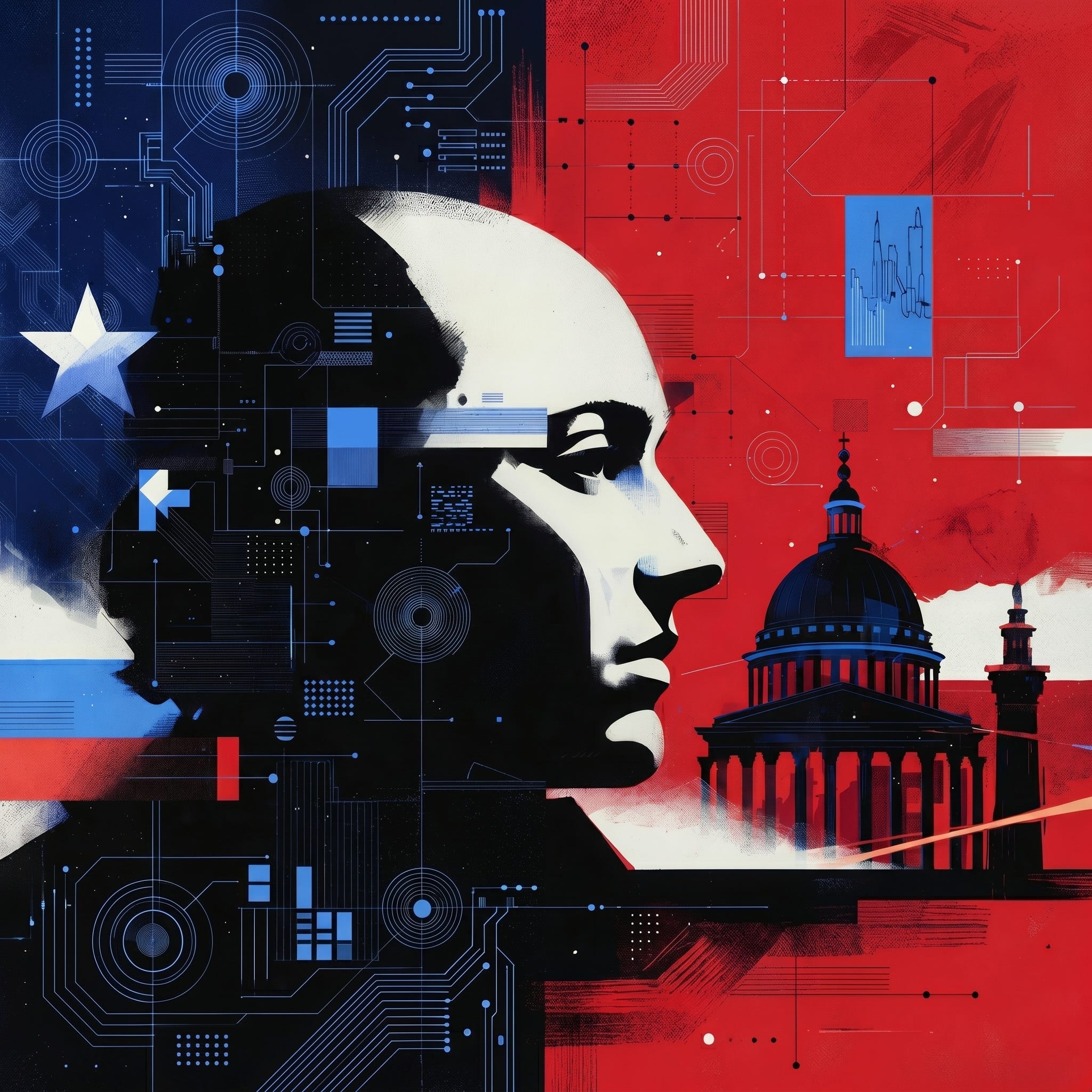
The A-episode answered Luther’s open question with the doctrine of the lesser magistrate: resistance to an overreaching power is lawful when it runs not through the private individual but through the constituted authorities who hold their office for the people’s protection. This contemporary-application episode turns that doctrine on the modern American republic and finds an unexpected answer. The office built above all others to stand between the citizen and the executive is the Congress, in which Article One vests all legislative power — and the characteristic modern failure of that office is not that it has been overpowered from above, but that it has handed its lawmaking power away. The episode traces how Congress delegates the real work of lawmaking to unelected agencies, often less from technical necessity than from a flight from accountability (credit for the goal, deniability for the cost); how the Chevron doctrine rewarded that abdication by making statutory vagueness an asset to the executive; and how overruling Chevron in Loper Bright relocated the interpretive power from agencies to judges without ever returning it to Congress. Against this, a rising nondelegation dissent — Gorsuch’s Gundy opinion, joined by Roberts and Thomas, and the Gorsuch-Thomas-Alito dissent in FCC v. Consumers’ Research — argues that the only real remedy is to force Congress to make its own policy judgments. Two recent cases, Biden v. Nebraska (student loans) and Learning Resources v. Trump (tariffs), show the same structural principle striking down executives of both parties — while the Court, tellingly, treats the symptom of executive overreach rather than the disease of legislative abdication. The Honest Reckoning takes up Justice Thomas’s dissent in the tariff case and shows it to be not a partisan flip but a consistent application of his long-held constitutional method. The Skeptic’s Case stacks two full-strength objections: the originalist argument (Mortenson and Bagley) that the founders delegated broadly and that strict nondelegation is a modern invention, presented alongside its live scholarly rebuttal; and the governance argument that modern government cannot function without broad delegation. The Liberty Test reframes the whole for a subject of abdication rather than seizure: a trustee cannot give away a trust and call it discharging his duty, and no number of office-holders voting together can make the giveaway legitimate. This is a public episode. If you would like to discuss this with other subscribers or get access to bonus episodes, visit jeffkellick.substack.com
Embed this episode
NOW PLAYING
The Power They Gave Away
No transcript for this episode yet
Similar Episodes
No similar episodes found.
Similar Podcasts
No similar podcasts found.