
EPISODE · May 27, 2026 · 5 MIN
The president’s ‘selective’ hands-on governance
from Korea JoongAng Daily - Daily News from Korea
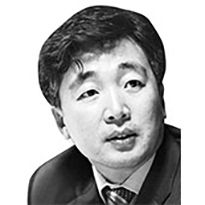
The author is the head of the editorial board at the JoongAng Ilbo. President Lee Jae Myung is the first among Korea's 14 presidents to have served as both a mayor and a provincial governor before entering the Blue House. Over his 11 years in local administration, he accumulated experience and practical knowledge across nearly every policy field except diplomacy and defense. Those experiences have become one of his defining strengths as president. Over the past year, Lee has reinforced that image through televised Cabinet meetings, ministry briefings and town hall meetings. He is widely seen as a leader who is deeply familiar with administrative details and unusually strong with numbers. That perception likely explains why his approval ratings have often exceeded support for his party. A veteran president with broad expertise naturally keeps not only close aides but also rank-and-file bureaucrats on edge. Lee is also known for working relentlessly. One presidential aide said that while staff members usually try to rest briefly when traveling between events, the president instead uses those moments to send text messages asking whether this or that matter has been addressed. Another aide said messages from the president frequently arrive late at night. Both described him as astonishingly knowledgeable. As a result, the phrase most often attached to Lee since taking office has been mangi chinram, a traditional term referring to a ruler personally overseeing countless state affairs. One of the clearest features of the Lee administration has been the president's habit of directly raising agendas in highly specific policy areas and seeing them implemented at remarkable speed. Many of those agendas first appear in late-night social media posts. Lee occasionally asks, "What do you think?" Yet before public opinion has even formed, bureaucracies often begin drafting and implementing policy responses. As far as one can recall, the only major presidential idea that has not yet advanced into policy has been a proposed sugar tax. More recently, a review of whether to pursue an arrest warrant for Israeli Prime Minister Benjamin Netanyahu was added to that list. There is nothing unusual about a president presenting policy agendas. The issue is whether those agendas emerge from sufficient deliberation or from impulsive remarks made before careful review. In some cases, presidential comments likely reflected discussions already underway among aides. Debate over ending tax relief for owners of multiple homes or reducing long-term capital gains deductions appears to have followed that pattern. In many other cases, however, ministries seem to have rushed to implement ideas first raised by the president himself. During the recent controversy involving Starbucks Korea, for example, Lee floated the idea of shutting down Ilbe, a far-right online community. Relevant ministries are expected to formalize that proposal into policy soon. Yet policy decisions always carry the possibility of unintended consequences, especially when preliminary review is insufficient. One example involved allegations of outside pressure in a narcotics investigation. Lee personally instructed that Senior Superintendent Baek Hae-ryong be assigned to the investigative team, only for all suspects later to be cleared. Had the president first received detailed briefings from police familiar with the case, such instructions may never have been issued. The deeper problem is that presidents cannot always be right. During televised Cabinet meetings, ministers and aides often appear overwhelmed as Lee cites statistics and operational details. To the public, such scenes can feel refreshing. Yet restraint from subordinates does not necessarily mean the president's claims are always accurate. Last week, for instance, Lee said that "almost all European countries" had announced they would arrest Netanyahu if he entered their territory. In reality, most major European countries are not...
Embed this episode
NOW PLAYING
The president’s ‘selective’ hands-on governance
No transcript for this episode yet
Similar Episodes
No similar episodes found.
Similar Podcasts
No similar podcasts found.