
EPISODE · Apr 2, 2026 · 1H 6M
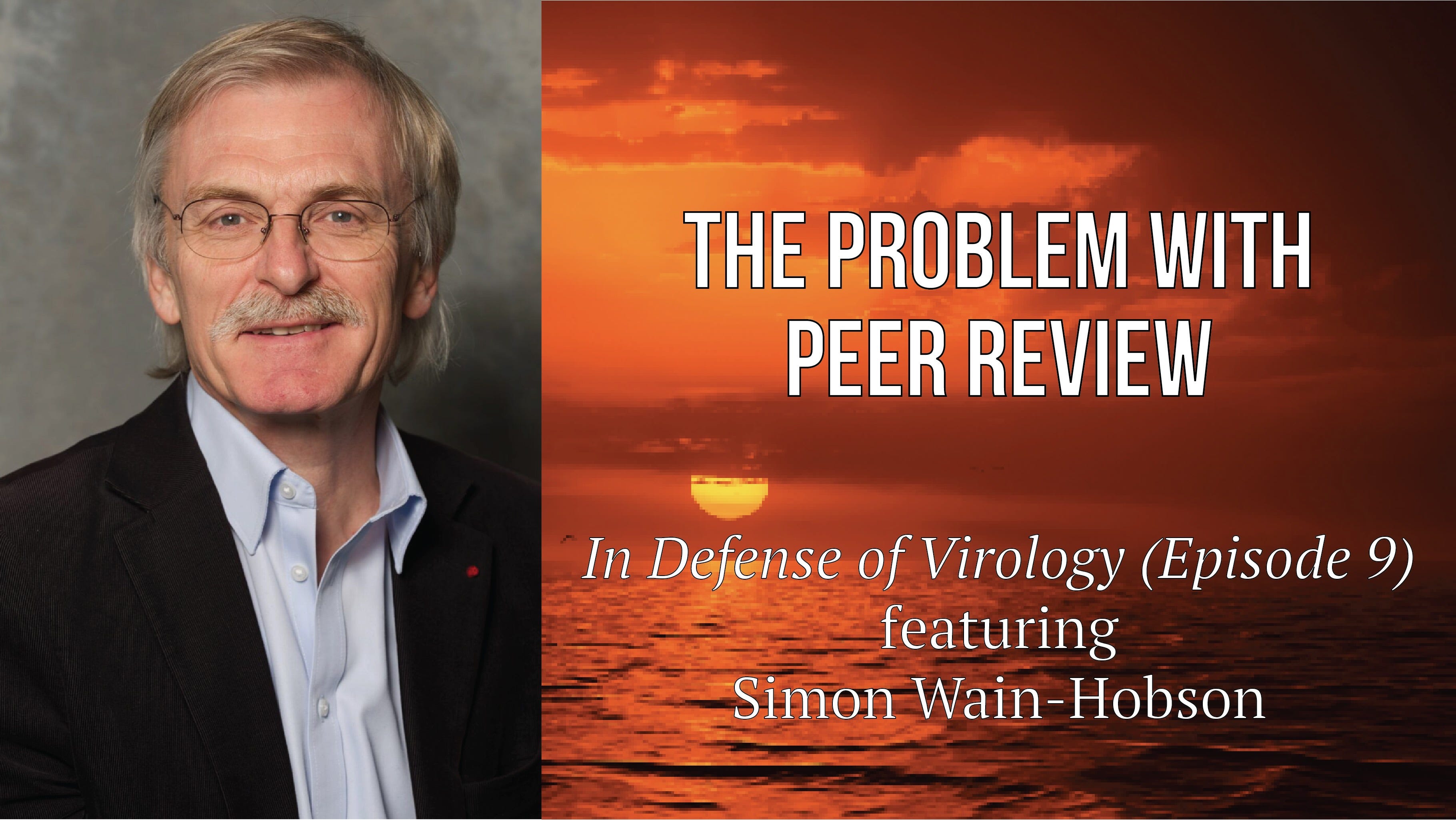
The Problem With Peer Review (In Defense of Virology - Episode 9)
from Science From the Fringe · host Science From The Fringe and Bryce Nickels
In this episode of In Defense of Virology, Bryce Nickels speaks with virologist Simon Wain-Hobson about Simon’s essay, “WHO Wordplay on COVID Origins,” which critiques the WHO SAGO report and a related Nature commentary on what is known about the origins of COVID-19.The discussion begins with SAGO’s claim that most peer-reviewed evidence supports a natural origin, while acknowledging that key intelligence and data remain unavailable. Simon argues this creates a misleading sense of certainty—presenting a conclusion while admitting critical gaps.The conversation then turns to peer review, emphasizing that it is not a final stamp of truth but the beginning of quality control. Publication does not settle questions; real scrutiny happens afterward. Both Simon and Bryce note that top journals can give findings outsized authority before they are fully validated.They argue that in politically sensitive areas like gain-of-function research and COVID origins, the publication system can shift from gatekeeping to gate blocking, limiting debate and shaping consensus prematurely. This has downstream effects, as institutions like SAGO and the Government Accountability Office rely heavily on published literature that may itself be incomplete or biased.The episode also highlights the value of work outside traditional journals, pointing to independent researchers who have contributed meaningful analyses. Dismissing such work solely for lacking peer review, Simon argues, is circular when the formal system restricts what gets published.A key theme is openness versus defensiveness. Drawing on his experiences in the HIV-era experience, Simon argues that confronting difficult hypotheses openly builds trust, while suppressing debate erodes it. This is reflected in the muted in-person response to Matt Ridley’s NIH lecture on the likely lab origin of SARS-CoV-2, which contrasts with stronger criticism expressed online.The episode concludes with potential reforms, including reducing the gatekeeping role of journals and expanding incentives for replication. Both emphasize that science functions best when dissent is allowed, evidence is openly examined, and no single institution defines the boundaries of truth.(recorded March 25, 2026) Get full access to Science From the Fringe at sciencefromthefringe.substack.com/subscribe
Embed this episode
NOW PLAYING
The Problem With Peer Review (In Defense of Virology - Episode 9)
No transcript for this episode yet
Similar Episodes
No similar episodes found.
Similar Podcasts
No similar podcasts found.