The Protein Obsession: Finding Balance Between Muscle and Health episode artwork

EPISODE · Feb 8, 2026 · 28 MIN

The Protein Obsession: Finding Balance Between Muscle and Health

from Whole Life Studio · host Norse Studio

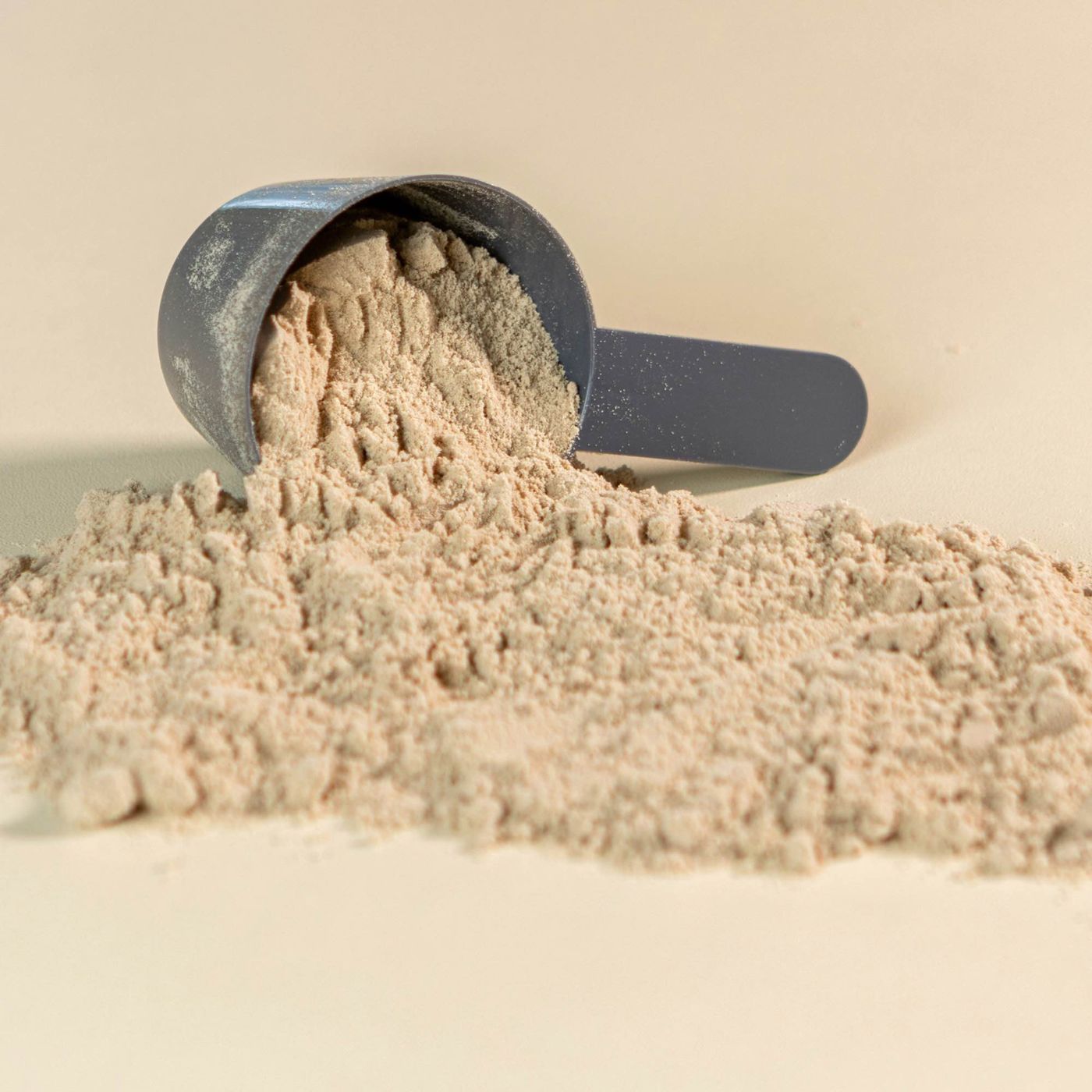
The current global interest in protein has transformed it into a dominant focus within the food industry, appearing in everything from shakes and bars to high-protein versions of everyday products like coffee and pasta. This trend, often referred to as "protein maxing" on social media, is driven by the macronutrient's essential role in building muscle, tissue repair, and supporting weight loss by providing a sense of satiety.The Role and Function of ProteinProtein serves as the fundamental building block of the human body. When consumed, enzymes break down protein into amino acids, which the body then uses to create over 20,000 specialized proteins. These include:• Hemoglobin for transporting oxygen in the blood.• Enzymes for accelerating chemical reactions.• Keratin for skin and hair health.• Structural components for muscle repair and growth.Unlike some nutrients, the body stores protein in structures it actually uses, such as muscles. If intake is insufficient, the body is forced to break down its own muscle tissue to meet its functional needs.Recommended Intake and "Vanity" FactorsAccording to Polish standards (NFZ), the daily requirement for an average adult is 0.83 g of protein per kilogram of body weight. However, individual needs vary based on age, gender, body composition, and physical activity levels.The disproportionate focus on protein over other nutrients—like fiber—is often attributed to a "vanity factor". While protein helps build visible muscle, the benefits of fiber for heart health are not visible in the mirror. For women, protein is particularly important during and after menopause to combat sarcopenia (age-related muscle loss) and support bone health, although research suggests that consuming protein significantly beyond recommended levels offers little to no extra benefit for bones.The Neglected Hero: FiberExperts warn that the obsession with protein often comes at the expense of fiber, which is crucial for gut health. Fiber acts as a "broom" in the intestines, maintaining regular bowel movements and preventing constipation. Furthermore, diets rich in fiber are associated with a lower risk of heart disease, stroke, and type 2 diabetes. While the recommended daily intake is approximately 25 g of fiber, most people struggle to reach this level.Risks of Excessive Protein ConsumptionConsuming protein in excess, particularly through highly processed supplements, carries several risks:• Kidney Strain: Excessive intake of animal protein increases the risk of kidney stones and can worsen existing kidney conditions.• Nutritional Imbalance: Many products marketed as "high protein" are actually "health-washed" versions of unhealthy foods. To mask the bitter taste of added amino acids, manufacturers often include extra sugar.• Side Effects: Overconsumption can lead to nausea and may negatively impact bone health if it disrupts a balanced diet.Market Influence and TrendsThe protein supplement market is a massive business, valued at 4.4billionin2021andprojectedtogrowto∗∗19.3 billion by 2030**. This financial drive encourages the perception that adding protein powder to a high-carb or processed product automatically makes it "healthy". Dietitians emphasize that humans are not "internal combustion engines" running on a single fuel; true health requires a balanced intake of various nutrients rather than a singular focus on one macronutrient. Hosted on Acast. See acast.com/privacy for more information.Become a supporter of this podcast: https://www.spreaker.com/podcast/whole-life-studio--6886552/support.

The current global interest in protein has transformed it into a dominant focus within the food industry, appearing in everything from shakes and bars to high-protein versions of everyday products like coffee and pasta. This trend, often referred to as "protein maxing" on social media, is driven by the macronutrient's essential role in building muscle, tissue repair, and supporting weight loss by providing a sense of satiety.The Role and Function of ProteinProtein serves as the fundamental building block of the human body. When consumed, enzymes break down protein into amino acids, which the body then uses to create over 20,000 specialized proteins. These include:• Hemoglobin for transporting oxygen in the blood.• Enzymes for accelerating chemical reactions.• Keratin for skin and hair health.• Structural components for muscle repair and growth.Unlike some nutrients, the body stores protein in structures it actually uses, such as muscles. If intake is insufficient, the body is forced to break down its own muscle tissue to meet its functional needs.Recommended Intake and "Vanity" FactorsAccording to Polish standards (NFZ), the daily requirement for an average adult is 0.83 g of protein per kilogram of body weight. However, individual needs vary based on age, gender, body composition, and physical activity levels.The disproportionate focus on protein over other nutrients—like fiber—is often attributed to a "vanity factor". While protein helps build visible muscle, the benefits of fiber for heart health are not visible in the mirror. For women, protein is particularly important during and after menopause to combat sarcopenia (age-related muscle loss) and support bone health, although research suggests that consuming protein significantly beyond recommended levels offers little to no extra benefit for bones.The Neglected Hero: FiberExperts warn that the obsession with protein often comes at the expense of fiber, which is crucial for gut health. Fiber acts as a "broom" in the intestines, maintaining regular bowel movements and preventing constipation. Furthermore, diets rich in fiber are associated with a lower risk of heart disease, stroke, and type 2 diabetes. While the recommended daily intake is approximately 25 g of fiber, most people struggle to reach this level.Risks of Excessive Protein ConsumptionConsuming protein in excess, particularly through highly processed supplements, carries several risks:• Kidney Strain: Excessive intake of animal protein increases the risk of kidney stones and can worsen existing kidney conditions.• Nutritional Imbalance: Many products marketed as "high protein" are actually "health-washed" versions of unhealthy foods. To mask the bitter taste of added amino acids, manufacturers often include extra sugar.• Side Effects: Overconsumption can lead to nausea and may negatively impact bone health if it disrupts a balanced diet.Market Influence and TrendsThe protein supplement market is a massive business, valued at 4.4billionin2021andprojectedtogrowto∗∗19.3 billion by 2030**. This financial drive encourages the perception that adding protein powder to a high-carb or processed product automatically makes it "healthy". Dietitians emphasize that humans are not "internal combustion engines" running on a single fuel; true health requires a balanced intake of various nutrients rather than a singular focus on one macronutrient. Hosted on Acast. See acast.com/privacy for more information.Become a supporter of this podcast: https://www.spreaker.com/podcast/whole-life-studio--6886552/support.

NOW PLAYING

The Protein Obsession: Finding Balance Between Muscle and Health

0:00 28:46

No transcript for this episode yet

We transcribe on demand. Request one and we'll notify you when it's ready — usually under 10 minutes.

Eat to Live Jenna Fuhrman, Dr. Fuhrman Our health is our most precious gift and smart nutrition can change your life. Each month, join Dr. Fuhrman and his daughter, Jenna Fuhrman as they discuss important topics in the world of nutrition. Eat to Live will change the way you eat and think about food. French Your Way Jessica: Native French teacher founder of French Your Way Boost your French listening skills and test your comprehension with this one of a kind series of podcasts. Get the chance to listen to a real conversation between native speakers talking at normal speed AND customise your learning experience through carefully designed sets of questions (2 levels of difficulty) available for download at www.frenchvoicespodcast.com. All interviews also come with the transcript. French teacher Jessica interviews native speakers of French from around the world who share a bit of their life and passion. Where else would you meet in one same place a French yoga teacher based in Melbourne, a soap manufacturer from Provence, or a couple cycling around the world? That Hoarder: Overcome Compulsive Hoarding That Hoarder Hoarding disorder is stigmatised and people who hoard feel vast amounts of shame. This podcast began life as an audio diary, an anonymous outlet for somebody with this weird condition. That Hoarder speaks about her experiences living with compulsive hoarding, she interviews therapists, academics, researchers, children of hoarders, professional organisers and influencers, and she shares insight and tips for others with the problem. Listened to by people who hoard as well as those who love them and those who work with them, Overcome Compulsive Hoarding with That Hoarder aims to shatter the stigma, share the truth and speak openly and honestly to improve lives. The Lee Olsen Show Lee Olsen CJF I want to help you improve all areas of your life by 3 types of podcasts!👉Blood, Sweat & Blessings-Interviews of normal people that have achieved BIG things!👉Series!!! For Love of the Horse- Brad Jackman DVM & Lee Olsen CJF, how to help your horse!👉Business Tips- Proven Life Changing Business Strategies with Lee Olsen

Frequently Asked Questions

How long is this episode of Whole Life Studio?

This episode is 28 minutes long.

When was this Whole Life Studio episode published?

This episode was published on February 8, 2026.

What is this episode about?

The current global interest in protein has transformed it into a dominant focus within the food industry, appearing in everything from shakes and bars to high-protein versions of everyday products like coffee and pasta. This trend, often referred to...

Can I download this Whole Life Studio episode?

Yes, you can download this episode by clicking the download button on the episode player, or subscribe to the podcast in your preferred podcast app for automatic downloads.
URL copied to clipboard!