
EPISODE · Dec 19, 2025 · 38 MIN
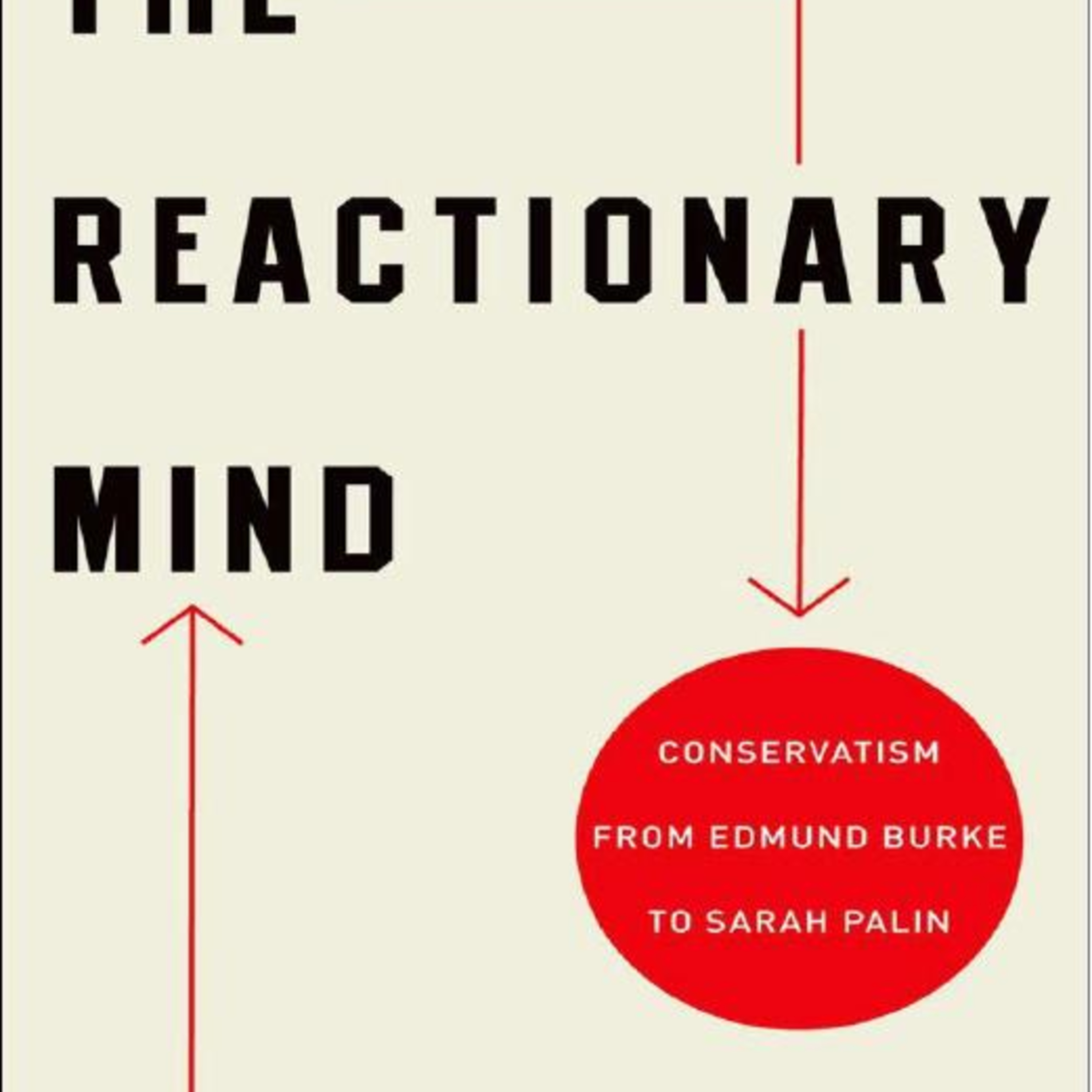
The Reactionary Mind — Deep Dive (Conservatism, Power & Counterrevolution)
from Crisis in Perception · host Crisis in Perception
Welcome to Crisis in Perception. In this episode, we explore The Reactionary Mind — Corey Robin’s sweeping examination of conservatism as a historically reactionary movement shaped by its opposition to emancipation, equality, and challenges from below.This Deep Dive investigates Robin’s central thesis: conservatism is not merely a preference for tradition, but a counterrevolutionary ideology that emerges in response to movements for liberation. From the aristocratic backlash against the French Revolution to modern political battles over gender, race, labor, and state power, Robin argues that conservatism seeks to restore, defend, or justify hierarchy in its many forms.This episode explores:• conservatism as a response to democratic and egalitarian movements• why conservatives frame hierarchy as natural, virtuous, or necessary• the role of the family and workplace as ideological battlegrounds• Ayn Rand’s Objectivism and its celebration of inequality and domination• Antonin Scalia’s constitutional philosophy and conservative judicial activism• how conflicts like the Cold War and the War on Terror shaped conservative identity• why conservatism often elevates conflict, struggle, and “the sublime” over peace• the pattern of conservative mobilization in response to progressive gainsOur goal is to connect ideas, challenge assumptions, and reveal the deeper structures behind political identity — demonstrating how conservative thought evolves through repeated confrontations with social change.
What this episode covers
Welcome to Crisis in Perception. In this episode, we explore The Reactionary Mind — Corey Robin’s sweeping examination of conservatism as a historically reactionary movement shaped by its opposition to emancipation, equality, and challenges from below.This Deep Dive investigates Robin’s central thesis: conservatism is not merely a preference for tradition, but a counterrevolutionary ideology that emerges in response to movements for liberation. From the aristocratic backlash against the French Revolution to modern political battles over gender, race, labor, and state power, Robin argues that conservatism seeks to restore, defend, or justify hierarchy in its many forms.This episode explores:• conservatism as a response to democratic and egalitarian movements• why conservatives frame hierarchy as natural, virtuous, or necessary• the role of the family and workplace as ideological battlegrounds• Ayn Rand’s Objectivism and its celebration of inequality and domination• Antonin Scalia’s constitutional philosophy and conservative judicial activism• how conflicts like the Cold War and the War on Terror shaped conservative identity• why conservatism often elevates conflict, struggle, and “the sublime” over peace• the pattern of conservative mobilization in response to progressive gainsOur goal is to connect ideas, challenge assumptions, and reveal the deeper structures behind political identity — demonstrating how conservative thought evolves through repeated confrontations with social change.
NOW PLAYING
The Reactionary Mind — Deep Dive (Conservatism, Power & Counterrevolution)
No transcript for this episode yet
Similar Episodes
Mar 19, 2026 ·34m
Feb 18, 2026 ·11m
Feb 11, 2026 ·45m
Nov 12, 2025 ·35m
Oct 17, 2025 ·40m