
EPISODE · Oct 3, 2025 · 30 MIN
The Rise of the Neighbourhood in Canada, 1880s–2020s
from Witness to Yesterday (The Champlain Society Podcast on Canadian History) · host The Champlain Society
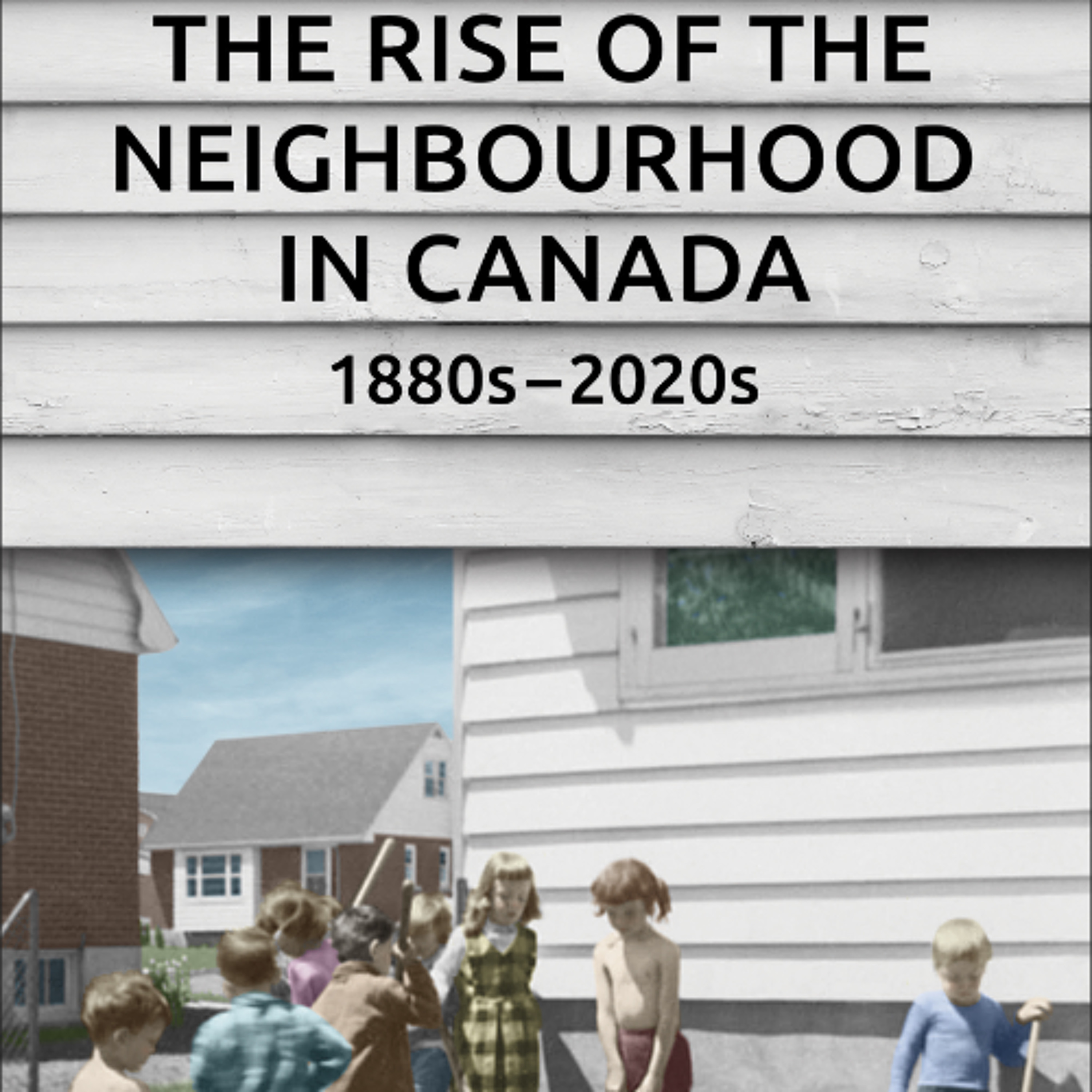
Larry Ostola speaks with Richard Harris about his book, The Rise of the Neighbourhood in Canada, 1880s–2020s. The Rise of the Neighbourhood in Canada, 1880s–2020s by Richard Harris traces the evolution of Canadian neighbourhoods from the 1880s to the 2020s, highlighting their growing importance amid rising social inequality and immigration. While neighbourhoods now foster fewer social connections, they have become crucial for homeowner investment and children’s educational opportunities. The book examines how neighbourhoods, especially in urban areas, impact the lives of the least mobile groups—workers, low-income households, immigrants, women, children, and the elderly—by shaping public health, crime, social capital, and job prospects. It explores the influence of physical and social characteristics, long-term trends, and communications technology on neighbourhood life. As homeownership increased, neighbourhoods became central to financial investment, leading to greater financialization and reduced affordability. Drawing on examples from cities across Canada, the book argues that neighbourhoods’ significance will endure, continuing to shape Canadian society and individual life chances in the face of ongoing change. Richard Harris is a professor emeritus of urban geography at McMaster University. Image Credit: University of Toronto Press If you like our work, please consider supporting it: bit.ly/support_WTY. Your support contributes to the Champlain Society’s mission of opening new windows to directly explore and experience Canada’s past.
Embed this episode
NOW PLAYING
The Rise of the Neighbourhood in Canada, 1880s–2020s
No transcript for this episode yet
Similar Episodes
No similar episodes found.
Similar Podcasts
No similar podcasts found.