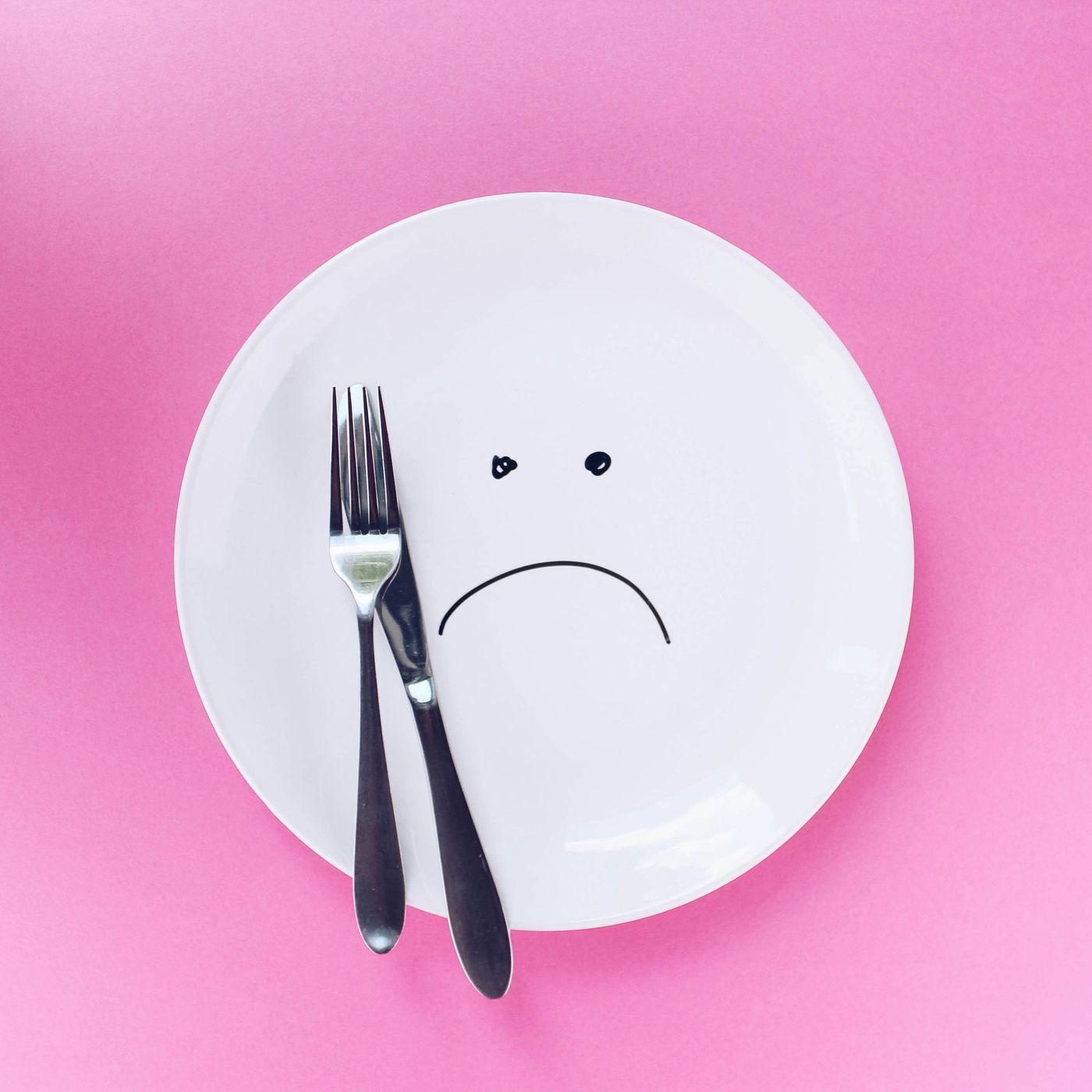
The Science and Practice of Intermittent Fasting and Autophagy episode artwork

EPISODE · Jan 24, 2026 · 27 MIN

The Science and Practice of Intermittent Fasting and Autophagy

from Whole Life Studio · host Norse Studio

Intermittent fasting is a meal timing schedule that cycles between periods of voluntary fasting and non-fasting. Rather than being a traditional diet centered solely on calorie restriction, it focuses on the timing of food intake to trigger specific metabolic and cellular responses. Various methods exist, ranging from time-restricted eating like the 16/8 or 14/10 patterns to more intense protocols such as alternate-day fasting and the 5:2 diet, which involves two days of very low calorie intake per week. The most advanced form is One Meal a Day (OMAD), where all daily nutrition is consumed within a single one-to-two-hour window.A primary biological driver of intermittent fasting is the metabolic switch. This occurs when the body exhausts its liver glucose reserves and transitions to using stored fat and ketones for energy. This state promotes fat oxidation and improves insulin sensitivity. Another critical process activated during fasting is autophagy, a natural regulated mechanism where the cell removes unnecessary or dysfunctional components. This cellular self-cleaning is vital for repair and may provide neuroprotective benefits by helping to clear damaged proteins associated with neurodegenerative diseases like Alzheimer’s and Parkinson’s.Health outcomes associated with fasting include improvements in blood sugar, blood pressure, and chronic inflammation. For women with obesity or polycystic ovarian syndrome (PCOS), fasting has been shown to decrease androgen markers and improve metabolic profiles, especially when food is consumed earlier in the day to align with circadian rhythms. In men, while it may lead to a reduction in testosterone levels, studies indicate this does not typically result in a loss of muscle mass or strength.In the realm of sports and exercise, intermittent fasting is often used to optimize body composition. Evidence suggests it does not negatively affect aerobic or anaerobic capacity and can help athletes reduce fat mass while maintaining lean muscle. During the fasting window, practitioners are encouraged to stay hydrated with zero-calorie beverages such as water, black coffee, or unsweetened tea. Breaking a fast should be done gradually with nutrient-dense whole foods like leafy greens, cooked vegetables, and lean proteins, while avoiding refined carbohydrates and sugary drinks that can cause rapid blood sugar spikes.Despite its benefits, intermittent fasting is not suitable for everyone. It can cause side effects such as irritability, headaches, and dizziness, particularly during the initial adaptation phase. It is generally not recommended for children, pregnant or breastfeeding women, individuals who are malnourished, or those with a history of eating disorders. Because fasting can influence hormone levels and medication requirements, people with chronic conditions like diabetes or cardiovascular disease should seek medical supervision before beginning. While short-term research is promising, the long-term sustainability and effects of these fasting patterns remain a subject of ongoing study. Hosted on Acast. See acast.com/privacy for more information.Become a supporter of this podcast: https://www.spreaker.com/podcast/whole-life-studio--6886552/support.

Intermittent fasting is a meal timing schedule that cycles between periods of voluntary fasting and non-fasting. Rather than being a traditional diet centered solely on calorie restriction, it focuses on the timing of food intake to trigger specific metabolic and cellular responses. Various methods exist, ranging from time-restricted eating like the 16/8 or 14/10 patterns to more intense protocols such as alternate-day fasting and the 5:2 diet, which involves two days of very low calorie intake per week. The most advanced form is One Meal a Day (OMAD), where all daily nutrition is consumed within a single one-to-two-hour window.A primary biological driver of intermittent fasting is the metabolic switch. This occurs when the body exhausts its liver glucose reserves and transitions to using stored fat and ketones for energy. This state promotes fat oxidation and improves insulin sensitivity. Another critical process activated during fasting is autophagy, a natural regulated mechanism where the cell removes unnecessary or dysfunctional components. This cellular self-cleaning is vital for repair and may provide neuroprotective benefits by helping to clear damaged proteins associated with neurodegenerative diseases like Alzheimer’s and Parkinson’s.Health outcomes associated with fasting include improvements in blood sugar, blood pressure, and chronic inflammation. For women with obesity or polycystic ovarian syndrome (PCOS), fasting has been shown to decrease androgen markers and improve metabolic profiles, especially when food is consumed earlier in the day to align with circadian rhythms. In men, while it may lead to a reduction in testosterone levels, studies indicate this does not typically result in a loss of muscle mass or strength.In the realm of sports and exercise, intermittent fasting is often used to optimize body composition. Evidence suggests it does not negatively affect aerobic or anaerobic capacity and can help athletes reduce fat mass while maintaining lean muscle. During the fasting window, practitioners are encouraged to stay hydrated with zero-calorie beverages such as water, black coffee, or unsweetened tea. Breaking a fast should be done gradually with nutrient-dense whole foods like leafy greens, cooked vegetables, and lean proteins, while avoiding refined carbohydrates and sugary drinks that can cause rapid blood sugar spikes.Despite its benefits, intermittent fasting is not suitable for everyone. It can cause side effects such as irritability, headaches, and dizziness, particularly during the initial adaptation phase. It is generally not recommended for children, pregnant or breastfeeding women, individuals who are malnourished, or those with a history of eating disorders. Because fasting can influence hormone levels and medication requirements, people with chronic conditions like diabetes or cardiovascular disease should seek medical supervision before beginning. While short-term research is promising, the long-term sustainability and effects of these fasting patterns remain a subject of ongoing study. Hosted on Acast. See acast.com/privacy for more information.Become a supporter of this podcast: https://www.spreaker.com/podcast/whole-life-studio--6886552/support.

NOW PLAYING

The Science and Practice of Intermittent Fasting and Autophagy

0:00 27:35

No transcript for this episode yet

We transcribe on demand. Request one and we'll notify you when it's ready — usually under 10 minutes.

Eat to Live Jenna Fuhrman, Dr. Fuhrman Our health is our most precious gift and smart nutrition can change your life. Each month, join Dr. Fuhrman and his daughter, Jenna Fuhrman as they discuss important topics in the world of nutrition. Eat to Live will change the way you eat and think about food. French Your Way Jessica: Native French teacher founder of French Your Way Boost your French listening skills and test your comprehension with this one of a kind series of podcasts. Get the chance to listen to a real conversation between native speakers talking at normal speed AND customise your learning experience through carefully designed sets of questions (2 levels of difficulty) available for download at www.frenchvoicespodcast.com. All interviews also come with the transcript. French teacher Jessica interviews native speakers of French from around the world who share a bit of their life and passion. Where else would you meet in one same place a French yoga teacher based in Melbourne, a soap manufacturer from Provence, or a couple cycling around the world? That Hoarder: Overcome Compulsive Hoarding That Hoarder Hoarding disorder is stigmatised and people who hoard feel vast amounts of shame. This podcast began life as an audio diary, an anonymous outlet for somebody with this weird condition. That Hoarder speaks about her experiences living with compulsive hoarding, she interviews therapists, academics, researchers, children of hoarders, professional organisers and influencers, and she shares insight and tips for others with the problem. Listened to by people who hoard as well as those who love them and those who work with them, Overcome Compulsive Hoarding with That Hoarder aims to shatter the stigma, share the truth and speak openly and honestly to improve lives. The Lee Olsen Show Lee Olsen CJF I want to help you improve all areas of your life by 3 types of podcasts!👉Blood, Sweat & Blessings-Interviews of normal people that have achieved BIG things!👉Series!!! For Love of the Horse- Brad Jackman DVM & Lee Olsen CJF, how to help your horse!👉Business Tips- Proven Life Changing Business Strategies with Lee Olsen

Frequently Asked Questions

How long is this episode of Whole Life Studio?

This episode is 27 minutes long.

When was this Whole Life Studio episode published?

This episode was published on January 24, 2026.

What is this episode about?

Intermittent fasting is a meal timing schedule that cycles between periods of voluntary fasting and non-fasting. Rather than being a traditional diet centered solely on calorie restriction, it focuses on the timing of food intake to trigger specific...

Can I download this Whole Life Studio episode?

Yes, you can download this episode by clicking the download button on the episode player, or subscribe to the podcast in your preferred podcast app for automatic downloads.
URL copied to clipboard!