
EPISODE · Apr 12, 2025 · 4 MIN
The Science Behind Ear Pops: Unraveling the Mystery of Pressure and Sound Changes
from Ear Pops Why Do My Ears Pop? · host Inception Point AI
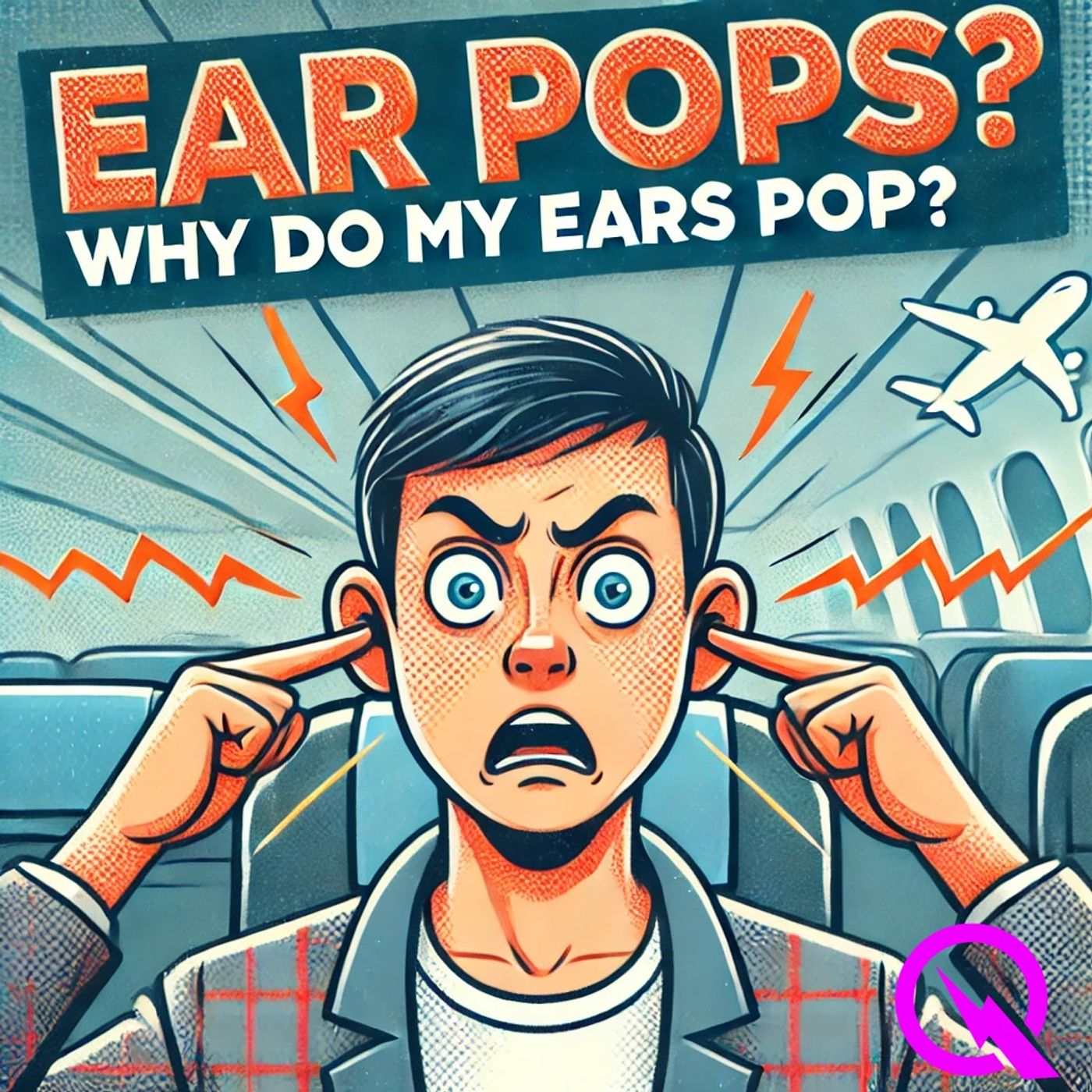
Hey there, it's Jed Why, your friendly neighborhood audio explorer and former tinkerer extraordinaire. You know, back in my tinkering days, I once tried to build a robot that could make the perfect cup of coffee. Spoiler alert: it ended up spilling more beans than brewing them. But hey, that's life, right? Always full of little mysteries and quirks that make you go, "huh, that's weird—let's unpack it." And speaking of weird, have you ever wondered why your ears pop? Well, buckle up, because today we're diving into the fascinating world of ear pops. It all started this morning when I was sipping on my lukewarm coffee, staring out the window at the chaotic dance of the neighborhood squirrels. Suddenly, I felt that familiar sensation—a pop in my ear. It's like a tiny firework going off inside your head, isn't it? So, I did what any curious soul would do: I started digging. Turns out, our ears pop because of changes in air pressure. When you're climbing a mountain or taking off in an airplane, the air pressure around you decreases. But the pressure inside your ear stays the same, creating a pressure difference. Your body, being the clever thing it is, tries to equalize this pressure by opening up the Eustachian tube, a little passage that connects your middle ear to the back of your throat. When it opens, air rushes in or out, and pop! There goes your ear. But here's where it gets even weirder. Did you know that some people can voluntarily pop their ears? It's true! They can wiggle their jaw or swallow in a specific way to open up that Eustachian tube on command. I tried it myself, and let me tell you, it's like having a superpower. I felt like a secret agent, popping my ears in the middle of the grocery store while picking out avocados. The cashier probably thought I was nuts, but hey, that's the price of curiosity. As I wandered through the aisles, I started thinking about all the other times our ears pop. Like when you're diving into a pool or going down in a submarine. It's all about that pressure difference, but underwater, it's the water pressure that's doing the trick. And get this: some deep-sea creatures have evolved special adaptations to handle the extreme pressures of the ocean depths. The beaked whale, for instance, can dive down to 3,000 meters without its ears popping. Talk about a party trick! But it's not just about the science of it all. Ear pops can be a real nuisance, especially if you're trying to enjoy a quiet moment. I remember once, I was sitting on my porch, trying to savor the silence, when my ear decided to pop like a balloon at a birthday party. It's like your body's way of saying, "Hey, don't get too comfortable!" So, what can you do about it? Well, there are a few tricks up my sleeve. Chewing gum or sucking on candy can help stimulate the muscles that open up the Eustachian tube. And if you're on a plane, try the Valsalva maneuver: pinch your nose, close your mouth, and gently blow. It's like a mini workout for you This content was created in partnership and with the help of Artificial Intelligence AI.
Embed this episode
Ready to play
The Science Behind Ear Pops: Unraveling the Mystery of Pressure and Sound Changes
No transcript for this episode yet
Similar Episodes
No similar episodes found.
Similar Podcasts
No similar podcasts found.