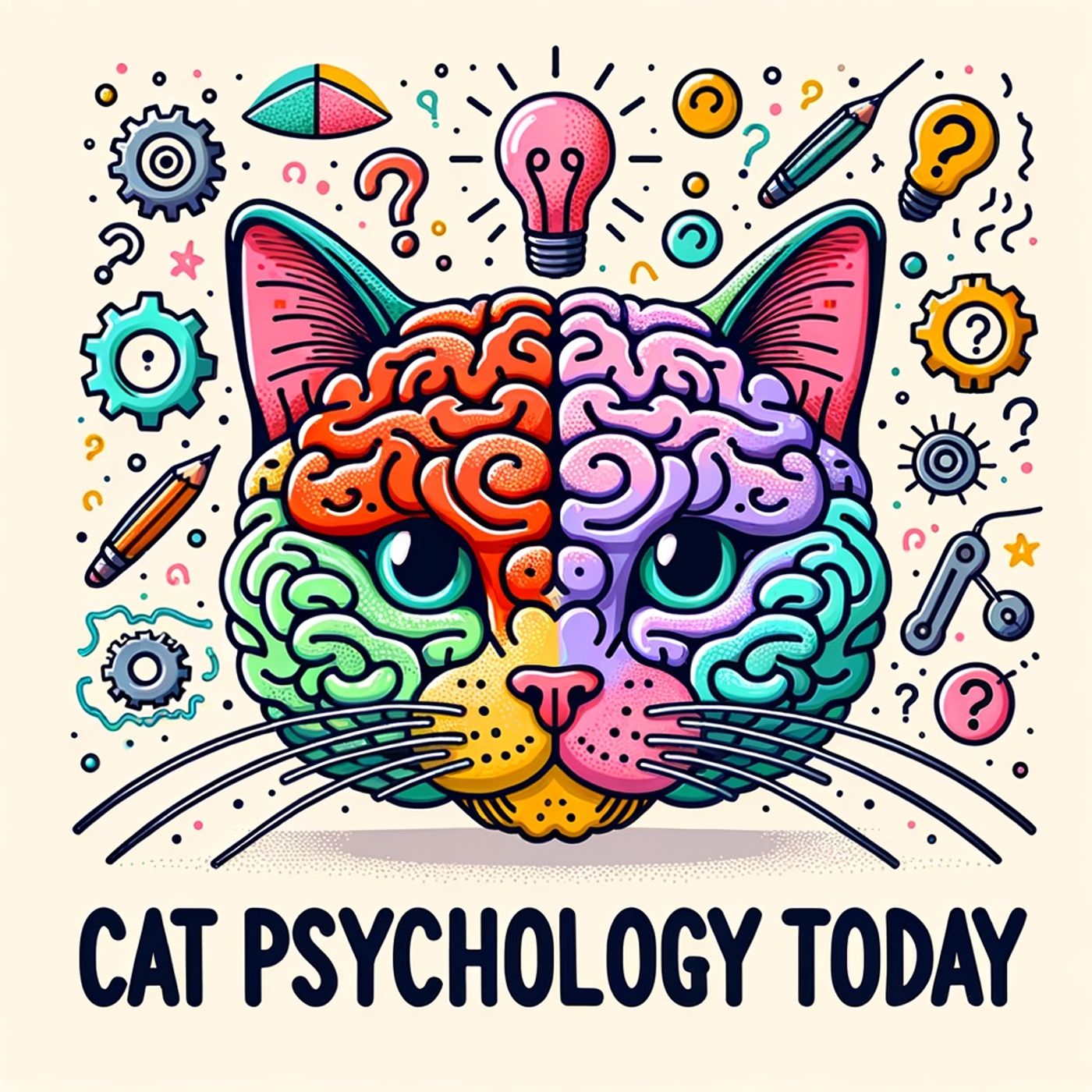
The Secret Emotional Lives of Cats: What Modern Science Reveals episode artwork

EPISODE · Jun 10, 2026 · 3 MIN

The Secret Emotional Lives of Cats: What Modern Science Reveals

from Cat Psychology Today · host Inception Point AI

Cat psychology today is a lot richer and more emotional than many listeners realize. Modern research shows that cats are not the aloof, solitary creatures of stereotype, but complex social thinkers with deep bonds, subtle communication, and surprisingly sensitive minds. According to Psychology Today, studies on attachment find that many cats are as securely attached to their favorite humans as children are to their parents. They use you as a safe base, checking in with a glance or a touch, then venturing out to explore, and returning when they need comfort or reassurance. When a cat follows you from room to room, sleeps near you, or relaxes more when you are present, that is not indifference; that is attachment. Cat intelligence is not about performing tricks on command, it is about problem-solving, memory, and adapting to a changing world. Research reviewed in journals like Behavioural Processes and summarized by sources such as Wikipedia on cat intelligence reports that cats have sophisticated long-term memories tied to emotion, and they excel at observational learning. They watch where you store the treats, how a door opens, when the can opener comes out, and they connect all those dots in ways that quietly shape their behavior. Socially, cats are much more tuned in to us, and to each other, than we once thought. Maueyes, a site focused on feline behavior, notes that domestic cats show social-cognitive skills such as following human pointing, responding to our gaze, and adjusting their behavior based on our attention. Psychology Today has highlighted work showing that cats can mimic facial expressions rapidly during interactions with other cats, a form of emotional mirroring once thought to belong mainly to primates and dogs. This suggests cats read and reflect emotional states in a subtle, moment-to-moment dance. Emotionally, stress is a critical piece of cat psychology today. The Morris Animal Foundation reports that chronic stress and inflammation in older cats are linked to cognitive decline and changes in social behavior, including reduced social referencing, which is when a cat looks to a trusted human to decide how to respond to something new. That means your cat’s apparent “moodiness” or withdrawal might signal underlying health or emotional strain, not attitude. For everyday life, Psychology Today contributors emphasize that cats thrive on choice, predictability, and respectful interaction. Let the cat come to you instead of constantly reaching in. Offer vertical spaces, hiding spots, and short, intense play sessions that tap into their hunting sequence. These simple adjustments acknowledge how a cat’s brain and emotions truly work. Understanding cat psychology today invites listeners to see their feline companions not as tiny, decorative roommates, but as emotionally complex partners sharing our homes. When you honor their need for safety, control, and gentle connection, you are speaking the real language of the cat mind. Thank you for tuning in, and remember to subscribe. This has been a Quiet Please production, for more check out quiet please dot ai For more http://www.quietplease.ai Get the best deals https://amzn.to/3ODvOta

Cat psychology today is a lot richer and more emotional than many listeners realize. Modern research shows that cats are not the aloof, solitary creatures of stereotype, but complex social thinkers with deep bonds, subtle communication, and surprisingly sensitive minds. According to Psychology Today, studies on attachment find that many cats are as securely attached to their favorite humans as children are to their parents. They use you as a safe base, checking in with a glance or a touch, then venturing out to explore, and returning when they need comfort or reassurance. When a cat follows you from room to room, sleeps near you, or relaxes more when you are present, that is not indifference; that is attachment. Cat intelligence is not about performing tricks on command, it is about problem-solving, memory, and adapting to a changing world. Research reviewed in journals like Behavioural Processes and summarized by sources such as Wikipedia on cat intelligence reports that cats have sophisticated long-term memories tied to emotion, and they excel at observational learning. They watch where you store the treats, how a door opens, when the can opener comes out, and they connect all those dots in ways that quietly shape their behavior. Socially, cats are much more tuned in to us, and to each other, than we once thought. Maueyes, a site focused on feline behavior, notes that domestic cats show social-cognitive skills such as following human pointing, responding to our gaze, and adjusting their behavior based on our attention. Psychology Today has highlighted work showing that cats can mimic facial expressions rapidly during interactions with other cats, a form of emotional mirroring once thought to belong mainly to primates and dogs. This suggests cats read and reflect emotional states in a subtle, moment-to-moment dance. Emotionally, stress is a critical piece of cat psychology today. The Morris Animal Foundation reports that chronic stress and inflammation in older cats are linked to cognitive decline and changes in social behavior, including reduced social referencing, which is when a cat looks to a trusted human to decide how to respond to something new. That means your cat’s apparent “moodiness” or withdrawal might signal underlying health or emotional strain, not attitude. For everyday life, Psychology Today contributors emphasize that cats thrive on choice, predictability, and respectful interaction. Let the cat come to you instead of constantly reaching in. Offer vertical spaces, hiding spots, and short, intense play sessions that tap into their hunting sequence. These simple adjustments acknowledge how a cat’s brain and emotions truly work. Understanding cat psychology today invites listeners to see their feline companions not as tiny, decorative roommates, but as emotionally complex partners sharing our homes. When you honor their need for safety, control, and gentle connection, you are speaking the real language of the cat mind. Thank you for tuning in, and remember to subscribe. This has been a Quiet Please production, for more check out quiet please dot ai For more http://www.quietplease.ai Get the best deals https://amzn.to/3ODvOta

NOW PLAYING

The Secret Emotional Lives of Cats: What Modern Science Reveals

0:00 3:08

No transcript for this episode yet

We transcribe on demand. Request one and we'll notify you when it's ready — usually under 10 minutes.

The Small Business Startup School – Business Notes | Financial Literacy | Retail Psychology – For Professionals & Entrepreneurs The Small Business Startup School Inc. Starting or buying a small business? While personal circumstances may vary, business patterns remain timeless. On The Small Business Startup School, we explore strategies, insights, and practical solutions to help entrepreneurs confidently navigate their journey.Hosted by Ola Williams—a retail entrepreneur, fintech founder, and financial coach with over two decades of experience—this podcast marries financial awareness and retail psychology with optimism to deliver actionable takeaways.Join us to learn, grow, and connect as we uncover the keys to business success.Let’s continue to learn together and be encouraged to keep on connecting! Chewing the Fat with WorkForge WorkForge Bite-Sized Conversations for Building a Stronger Workforce Welcome to Chewing the Fat, a podcast delving deep into the world of food manufacturing. Dive into real conversations around critical topics like staffing, retention, onboarding, and career development in this essential industry. Subscribe now to gain insights from your peers, subject matter experts and more on the biggest issues facing food manufacturers today: -Hiring and retaining employees -Addressing the challenges of the Silver Tsunami -Improving time to productivity of new employees -Engaging employees from hire to retire And more... Tune in to Chewing the Fat, a WorkForge podcast, and join the conversation on how to build and sustain a resilient, high-performing workforce in food manufacturing. She’s a Hazard to Herself She’s a Hazard Hi there, I’m Mallory, and I’d like to invite you into our world with “She’s a Hazard to Herself!” Join us as we navigate life with Multiple Sclerosis from the seat of my power wheelchair. Discover stories of resilience, family, and the community we’ve built around chronic illness. Whether you’re impacted by MS or want to learn from our journey, there’s something here for you. So why wait? Subscribe to “She’s a Hazard to Herself” on your favorite podcast app and be part of our journey today. Let’s lift each other up, one episode at a time! MySwimPro Swimming Technique & Training Podcast MySwimPro MySwimPro is the number one fitness application for the fastest growing sport in the world. Since 2014, we have been on a mission to help swimmers of all levels live happier and healthier lives through swimming. Today, swimmers in more than 150 countries use MySwimPro’s award-winning mobile and wearable apps to access personalized swim workout plans, training plans, educational drills and videos, advanced analytics, and to log and track their progress. MySwimPro is accessible on iOS and Android smartphones and wearables, and is free to get started.

Frequently Asked Questions

How long is this episode of Cat Psychology Today?

This episode is 3 minutes long.

When was this Cat Psychology Today episode published?

This episode was published on June 10, 2026.

What is this episode about?

Cat psychology today is a lot richer and more emotional than many listeners realize. Modern research shows that cats are not the aloof, solitary creatures of stereotype, but complex social thinkers with deep bonds, subtle communication, and...

Can I download this Cat Psychology Today episode?

Yes, you can download this episode by clicking the download button on the episode player, or subscribe to the podcast in your preferred podcast app for automatic downloads.
URL copied to clipboard!