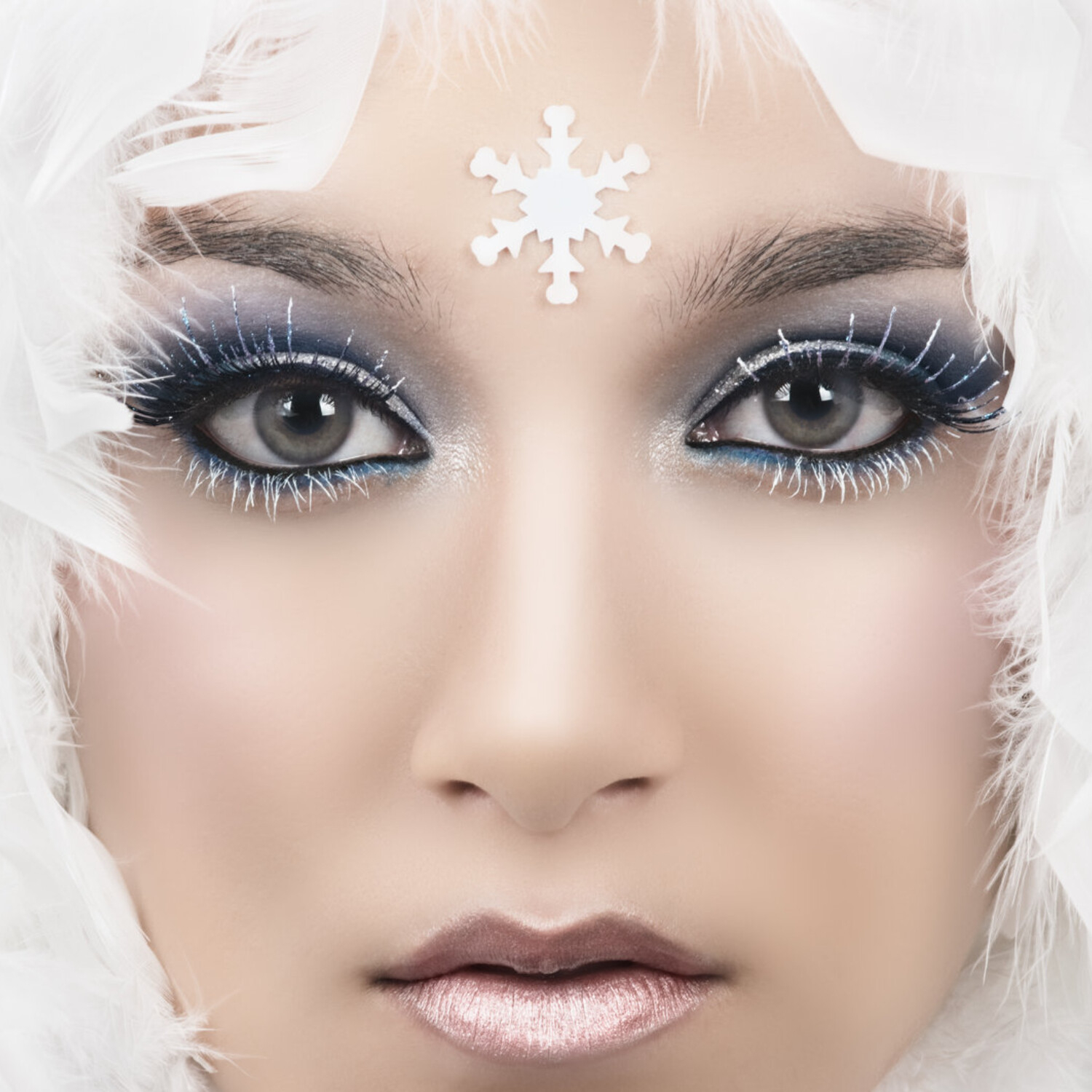
The Snowflake Philosophy
from Mental Health Training Hosted by Libby
The Snowflake Philosophy Generation Snowflake has become the new norm. This article examines the nature of the Snowflake at the end of today’s cultural climate, and it also looks like the overly sensitive Snowflake characters of today. This article concludes by identifying some key characteristics of a Snowflake. The core metaphor is that such people are delicate like snowflakes, easily hurt by the complex realities of life, and think of themselves as unique without realising they are entitled and privileged— because every snowflake is different, as they say. Whether you are a Generation Snowflake or a Snowflake in real life, you are bound to relate to one or all of these personalities. But, in the 1970s, Snowflake was a disparaging term for a white man or for a black man who was mocked if he was witnessed acting white. It was also utilised as a slang term for cocaine. Before either of those, it was used for a time with a very particular political meaning. But before either of those, it was used for a time with a very particular political meaning. In Missouri in the early 1860s, a snowflake was a person who was opposed to abolishing slavery — the implication of the name being that such people valued white people over black people. What is the origin of the term snowflake? Snowflake first became famous as an insult in the US after releasing the 1999 Brad Pitt Cult Film Fight Club. Chuck Palahniuk, who wrote the original book in 1996, claimed he invented the term, but it actually resonates more than two decades on. (https://www.standard.co.uk/news/londoners-diary/londoner-s-diary-chuck-palahniuk-i-coined-snowflake-and-i-stand-by-it-a3448226.html) One of the prominent lines, “You are not special. You are not a beautiful and unique snowflake,” clearly struck a chord, and the phrase took off. Generation Snowflake The term “Generation Snowflake” was a put-down used to describe the current generation of sensitive millennials, and was popularized by a discussion on Fox News of a 2015 Yale University confrontation over culturally insensitive Halloween costumes. The issue revolved around how universities should intervene and whether students are offended; they should simply “look away”. This view is not without merit, but there are also many negative aspects of the epoch, including an apparent lack of intellectual curiosity and a tendency to be too critical of the past. In March 2015, the National Union of Student Women’s Conference in Solihull (UK) tried to ban clapping if it triggered anxiety, instead suggesting the use of “jazz hands” instead of clapping due to clap-induced anxiety. The term is often regarded as derogatory, as it is a label applied by conservatives to liberals. Young people usually identify as “snowflakes” when their sense of individuality characterises them. Critics label this generation as fickle, sensitive and overly politically correct. But is the term genuinely accurate? Regardless of its definition, it is clear that this generation cannot accept criticism without resentment. Political snowflake Read more: Link
Embed this episode
No transcript yet.