
EPISODE · Sep 13, 2026 · 7 MIN
The Solace Project
from The Solace Project · host Carrie Rebora Barratt
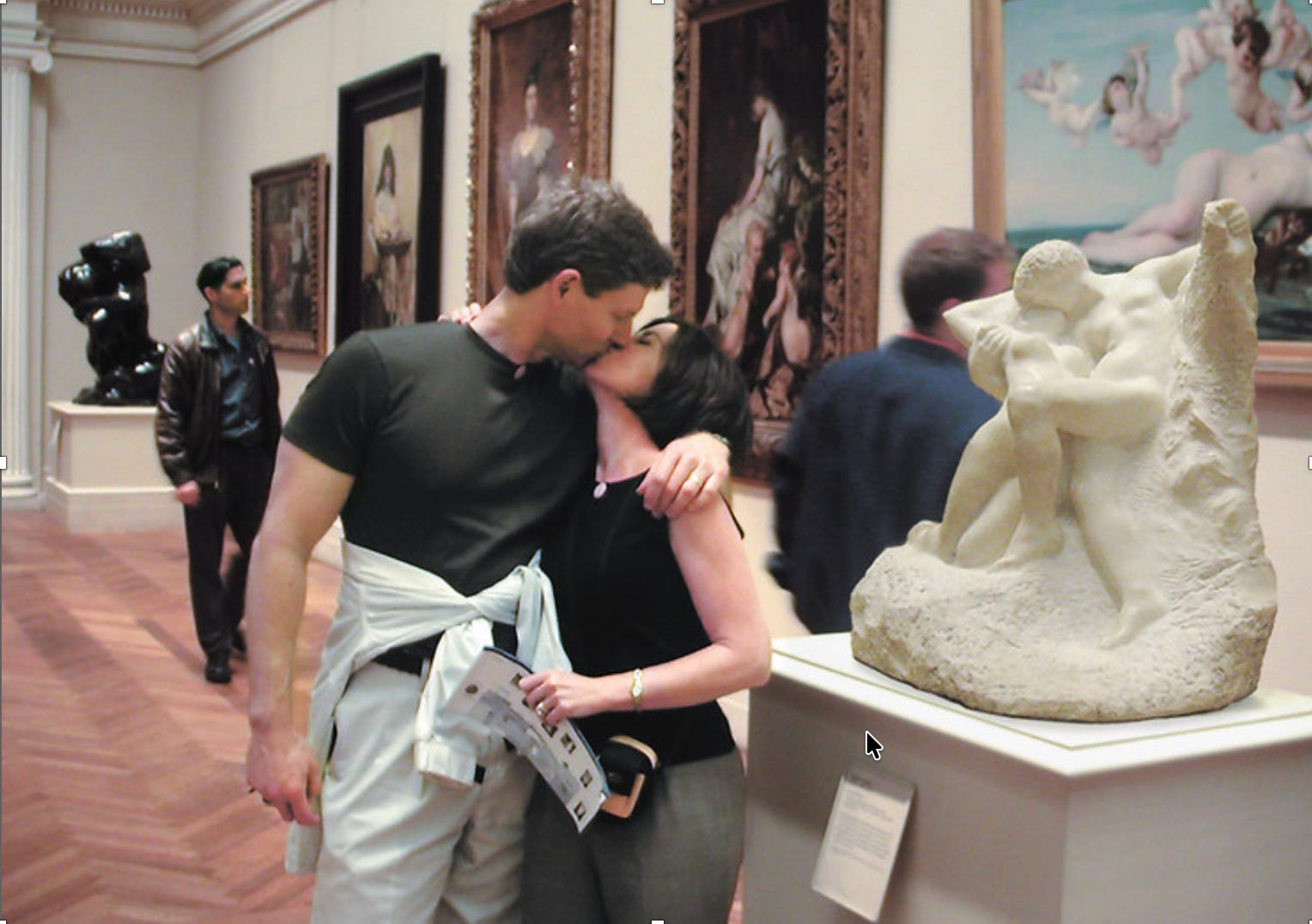
This past week at the Nelson-Atkins Museum of Art, I delivered a lecture on the topic of Art, Nature, and Well-being in Museums, pure joy to see a packed audience, so much interest in this topic. A museum colleague said that she came because I was speaking her love language. I started by posing the question: What if museums were places where we learn about art and also places that help us feel better and live better? What if, as the New York Times columnist Bret Stephens said just last week, “museums helped society undertake painful conversations, explore confounding contradictions, each of us how to sit with anger and pain?“ Look What if museums held space for emotional awareness? Museums and gardens can hold space for every sort of emotion, not just happy, not just joy, but the hard stuff. I knew I was preaching to the choir when I learned that just the week before Nelson-Atkins director, Julian Zugazagoitia told his staff that “museums are safe places where we step out of noise, pressure, agitation, into spaces of contemplation, curiosity, and intergenerational memory making.” Museums are where we take our time and pay attention. We sharpen our skills of observation and understanding. Museums actively create the conditions for connection, belonging, and resilience. I was reminded of an ad campaign that The Met did probably a decade ago that featured museum visitors imitating works of art. The It’s Time We Met campaign was devised by LaPlaca Cohen with super smart museum colleagues to focus on visitor playfulness and the feelings that emerge from interactions with works of art. The couple kissing may not have known anything about Rodin but surely felt the warmth of an intimate embrace. Young men making faces in imitation of ancient and historic faces surely felt something exhilarating. Look Again I was also reminded of an exercise that I used to do with students from the City University of New York. I had privilege of teaching a course on American genre painting in the galleries at The Met and started with an exercise that asked students to look closely at these intricately detailed narrative paintings. We would sit in front of Frances William Edmonds’ The New Bonnet, a painting rich with small details. We would sit on camp stools and just look for five minutes, no talking, no teaching, just looking. After only 30 seconds, students would inevitably start looking at their watches, looking at each other, getting bored, and I would say keep looking. Look more, look more closely. Pay attention. After the five minutes was up, I would ask everyone to turn their stools around, backs to the painting and draw or write everything that they could remember. The experience not only got them to look a little harder, but it brought them together in a social moment of sharing—I missed the turnips, the broken mirror, the cat, the cityscape. Some were frustrated. Others were excited to share how much they recalled. We did talk about Edmonds, his practice, his place in the American art history, but only after we had looked and shared and engaged with the picture and with each other. The course would go like that for eight marvelous weeks. Teaching like this in the galleries reinvigorated my own sense of purpose as a museum worker. I realized I chose curatorial practice to be in service to my fellow human beings, to be curious, to celebrate, remember and to be together. My career path detoured from indoor museum to the outdoor public gardens, a shift that got me thinking more intentionally about the intersection of art and nature: museums set in grand landscapes and gardens, Gardens with outdoor art. I reframed my work again, never losing focus on living or non-living collections, yet recognizing that it’s all wonder and how these places make us feel. Serious research backs this up, it’s more than a feeling. Dr. Samantha Boardman just wrote a captivating essay in The Wall Street Journal offering evidence that museums visits may even extend our lives. In Art Cure: The Science of How the Arts Save Lives, Daisy Fancourt focuses on the forgotten fifth pillar of health, placing art right alongside diet, exercise, sleep, social connection as key to improved health. Susan Magsamen and Ivy Ross are now rock stars for museum metrics, sharing their work on the new field of neuroaesthetics in Your Brain on Art: How the Arts Transform Us. And the OG of these studies, Helen Chatterjee, wrote Museums, Health and Well-Being over a decade ago, creating believers out of many of us, including skeptics who questioned the true value of a museum visit. The American Alliance of Museums has an entire dossier on the serious work going on across the museum field, a growing list of programs and studies. At the Nelson-Atkins where I was giving the lecture, visitor experience in the museum and its garden has always come first, from the founding of the institution without a collection but with the intention to bring people together, and since then has devised programs for wellbeing and made this change a strategic priority. The paramount place for this work is the Alice Walton School of Medicine, linked to Crystal Bridges Museum of American Art, where the teams at both places focus on sharpening skills of observation. Close looking at people and art have the same effect of enhancing empathy and understanding. The Mindful Looking program at the Art Institute of Chicago is super popular, requiring sustained attention to a single work of art or an installation. The Montreal Museum of Art created Museum Prescriptions in partnership with ocal healthcare professionals who created recommended doses of museum visits for relief and care. Similarly, NatureRx, started at Cornell Botanical Garden, has spread to colleges and gardens across the country. Students are given prescriptions to walk in silence, pay attention, look closely at plants. There is something about having a little piece of paper from a doctor that is more compelling than any free pass or ticket. The prescription needs to be filled and refilled and the patient feels better. Practice Museum are places where we gain connection, get curiosity, find purpose, experience wonder, and lose ourselves in distraction. Those of us who work in museums are changemakers—even if our day job title is curator or registrar or security guard or special events coordinator or director. We build a more caring and resilient world. Museums preserve, study, teach, and inspire, but more than this we create places for people to encounter beauty and difference. To pay attention to something larger than ourselves and leave more fully alive. The Solace Project is a reader-supported publication. To receive new posts and support my work, consider becoming a free or paid subscriber. Get full access to The Solace Project at carriereborabarratt.substack.com/subscribe
Embed this episode
Ready to play
The Solace Project
No transcript for this episode yet
Similar Episodes
No similar episodes found.
Similar Podcasts
No similar podcasts found.