
EPISODE · May 1, 2026 · 22 MIN
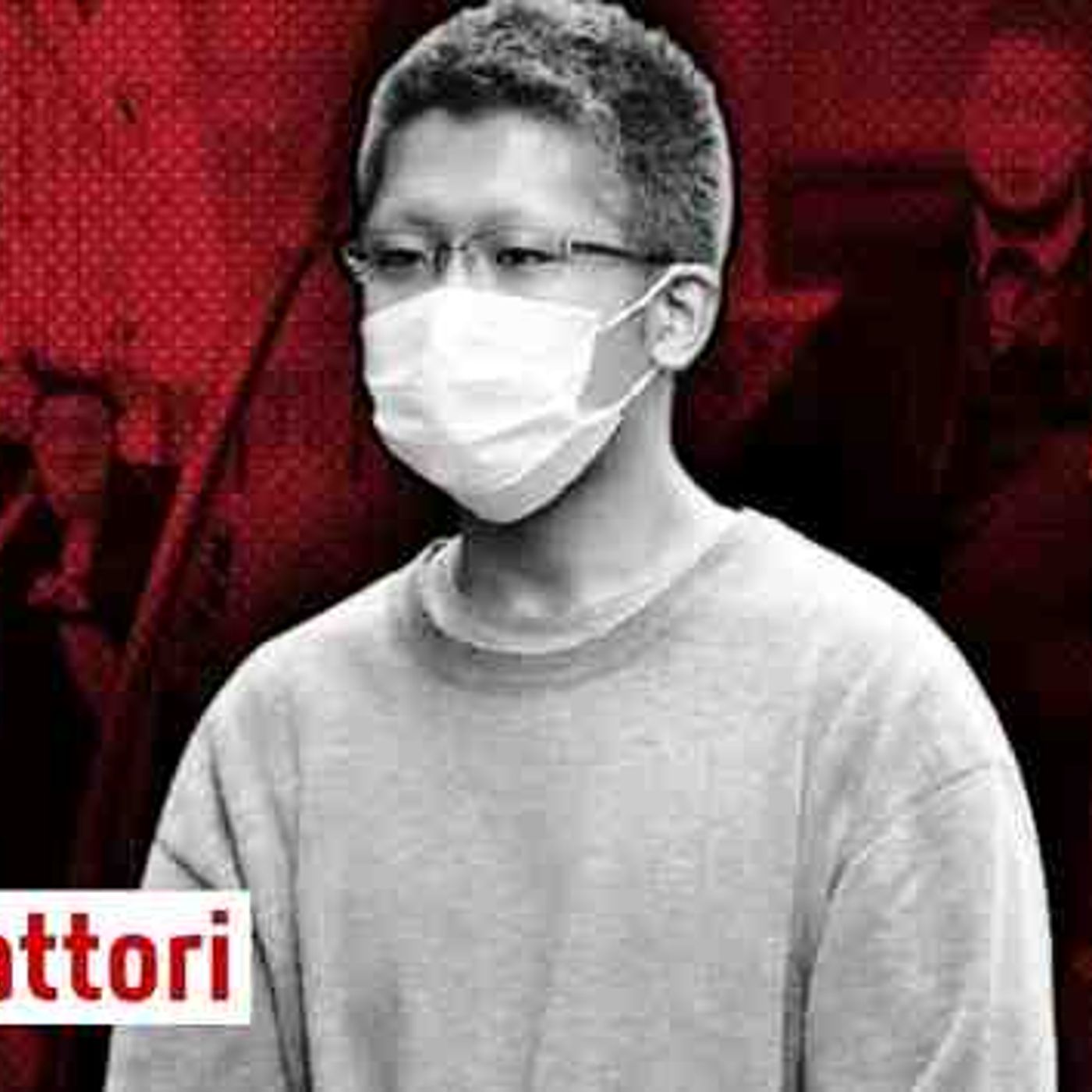
The Story Of A Real-Life Joker Killer
from TruRed CRIME · host TrueRed CRIME
On July 20, 2012, a quiet doctoral student walked into a midnight screening of "The Dark Knight Rises" in Aurora, Colorado, and transformed into one of America's most notorious mass murderers. James Holmes, then 24 years old, had dyed his hair bright red and told police he was "the Joker" — Batman's anarchic arch-nemesis [citation:1][citation:3]. By the time the attack ended, 12 people were dead and 70 others wounded in what remains one of the deadliest mass shootings in U.S. history [citation:1][citation:2].THE KILLER'S BACKGROUNDJames Eagan Holmes was, by all accounts, an exceptionally intelligent but deeply isolated individual. He earned a neuroscience bachelor's degree from the University of California, Riverside, where faculty described his grades as "top of the top" [citation:6]. After struggling to find work, he enrolled in a neuroscience Ph.D. program at the University of Colorado Anschutz Medical Campus.But Holmes was failing. His grades were slipping, and his social isolation was profound. Fellow students described him as someone who never made eye contact, never said hello, and seemed "disconnected from reality" [citation:6]. In June 2012, just weeks before the massacre, Holmes abruptly withdrew from the program without explanation.In the months leading up to the attack, Holmes quietly assembled an arsenal. He purchased four firearms — an AR-15 rifle, a 12-gauge shotgun, and two .40-caliber handguns — along with over 6,000 rounds of ammunition [citation:1]. He also booby-trapped his apartment with sophisticated explosive devices designed to kill whoever first opened the door, intending to divert police away from the theater [citation:1].THE MASSACREOn the night of July 20, 2012, Holmes purchased a ticket to the midnight screening of "The Dark Knight Rises" at the Century 16 theater in Aurora. He entered through an emergency exit door, propping it open with a plastic clip so he could return later [citation:6].At approximately 12:30 a.m., wearing a full set of tactical gear — a ballistic helmet, a gas mask, a tactical vest, throat protector, and ballistic leggings — Holmes re-entered through the emergency exit [citation:2]. He rolled a canister of tear gas into the packed theater and opened fire.Survivors described the scene as chaos. Many initially thought the tear gas was a special effect for the film. Then the shooting began [citation:2]. The attack lasted approximately six minutes. When it was over, twelve people lay dead. Seventy others were wounded, including a six-year-old girl.THE ARRESTAfter the shooting, Holmes walked to his car in the theater parking lot. He did not run. He did not resist. When police arrived, they found him standing passively beside his vehicle, still wearing his tactical gear. He reportedly told officers: "I am the Joker" — identifying himself with the character famously portrayed by Heath Ledger in "The Dark Knight" [citation:3][citation:6].THE TRIALHolmes' trial became a protracted legal battle centered on his mental state. His defense argued that he was insane at the time of the attack — a "delusional individual" suffering from paranoid schizophrenia who believed his actions would increase his "self-worth" [citation:1]. The prosecution countered that his meticulous planning — the months of purchasing weapons, the booby-trapped apartment, the staged escape route — demonstrated a rational mind capable of understanding his actions.The jury heard from 306 witnesses over three months [citation:1]. In July 2015, the jury rejected the insanity defense, finding Holmes guilty on 24 counts of first-degree murder and 140 counts of attempted murder [citation:2].THE SENTENCEDespite the prosecution's request for the death penalty, the jury could not reach a unanimous decision. One juror refused to impose capital punishment, while two others reportedly wavered [citation:1]. On August 7, 2015, Holmes was sentenced to 12 consecutive life sentences without the possibility of parole — one for each of his victims — plus an additional 3,318 years for the attempted murder charges [citation:1].Family members of victims wept in the courtroom. One mother, whose daughter was shot in the head, shook her head and covered her face as the sentence was read [citation:1].OTHER "JOKER" INSPIRED CRIMESThe Aurora massacre was not the only case of a killer identifying with the Joker character. The association between the fictional villain and real-world violence continues to surface:**Las Vegas Shooting (2014)** – Jerad Miller and his wife Amanda attacked two police officers and a civilian in a Las Vegas pizza restaurant, killing three before Miller died by suicide. Miller had dressed as the Joker and posted a video online declaring his desire to "become the starter of a war" [citation:2].**Tokyo Train Attack (2021)** – On Halloween night, a 24-year-old man dressed as the Joker stabbed passengers on a Keio Line train in Tokyo, also setting a carriage on fire. Seventeen people required medical treatment [citation:4].**Hampshire Case (2023)** – Anthony Yewman, 45, who "identified as the Joker" and called his girlfriend "Harley Quinn," was accused of attempting to strangle her twice when she ended their relationship. He was found not guilty of attempted murder but received a 10-year restraining order [citation:9][citation:10].THE CONTROVERSYThe 2019 film "Joker," starring Joaquin Phoenix, reignited fears about copycat violence. The film received an R rating in the U.S. and was the most complained-about film of 2019 in the UK [citation:8]. Some theaters increased police presence for screenings, and Japanese authorities reportedly considered banning the film after the 2021 Tokyo train attack [citation:4].Director Todd Phillips defended his film, arguing that depicting violence with "real-world implications" was a responsible approach that removed "the cartoon element of violence we've become so immune to" [citation:8].THE VICTIMSThe 12 victims of the Aurora shooting ranged in age from six to 51 years old. Their names: Jonathan Blunk, 26; Alexander Boik, 18; Jesse Childress, 29; Gordon Cowden, 51; Jessica Ghawi, 24; John Larimer, 27; Matthew McQuinn, 27; Micayla Medek, 23; Veronica Moser-Sullivan, 6; Alex Sullivan, 27; Alexander Teves, 24; Rebecca Wingo, 32.James Holmes remains incarcerated at the Colorado Territorial Correctional Facility in Cañon City. His name has become synonymous with the terrifying intersection of pop culture and real-world violence — a quiet, intelligent young man who transformed himself into a comic book villain and carried out one of the worst massacres in American history.This overview presents documented facts from court records, investigative reports, and news sources.
Embed this episode
What this episode covers
On July 20, 2012, a quiet doctoral student walked into a midnight screening of "The Dark Knight Rises" in Aurora, Colorado, and transformed into one of America's most notorious mass murderers. James Holmes, then 24 years old, had dyed his hair bright red and told police he was "the Joker" — Batman's anarchic arch-nemesis [citation:1][citation:3]. By the time the attack ended, 12 people were dead and 70 others wounded in what remains one of the deadliest mass shootings in U.S. history [citation:1][citation:2]. THE KILLER'S BACKGROUND James Eagan Holmes was, by all accounts, an exceptionally intelligent but deeply isolated individual. He earned a neuroscience bachelor's degree from the University of California, Riverside, where faculty described his grades as "top of the top" [citation:6]. After struggling to find work, he enrolled in a neuroscience Ph.D. program at the University of Colorado Anschutz Medical Campus. But Holmes was failing. His grades were slipping, and his social isolation was profound. Fellow students described him as someone who never made eye contact, never said hello, and seemed "disconnected from reality" [citation:6]. In June 2012, just weeks before the massacre, Holmes abruptly withdrew from the program without explanation. In the months leading up to the attack, Holmes quietly assembled an arsenal. He purchased four firearms — an AR-15 rifle, a 12-gauge shotgun, and two .40-caliber handguns — along with over 6,000 rounds of ammunition [citation:1]. He also booby-trapped his apartment with sophisticated explosive devices designed to kill whoever first opened the door, intending to divert police away from the theater [citation:1]. THE MASSACRE On the night of July 20, 2012, Holmes purchased a ticket to the midnight screening of "The Dark Knight Rises" at the Century 16 theater in Aurora. He entered through an emergency exit door, propping it open with a plastic clip so he could return later [citation:6]. At approximately 12:30 a.m., wearing a full set of tactical gear — a ballistic helmet, a gas mask, a tactical vest, throat protector, and ballistic leggings — Holmes re-entered through the emergency exit [citation:2]. He rolled a canister of tear gas into the packed theater and opened fire. Survivors described the scene as chaos. Many initially thought the tear gas was a special effect for the film. Then the shooting began [citation:2]. The attack lasted approximately six minutes. When it was over, twelve people lay dead. Seventy others were wounded, including a six-year-old girl. THE ARREST After the shooting, Holmes walked to his car in the theater parking lot. He did not run. He did not resist. When police arrived, they found him standing passively beside his vehicle, still wearing his tactical gear. He reportedly told officers: "I am the Joker" — identifying himself with the character famously portrayed by Heath Ledger in "The Dark Knight" [citation:3][citation:6]. THE TRIAL Holmes' trial became a protracted legal battle centered on his mental state. His defense argued that he was insane at the time of the attack — a "delusional individual" suffering from paranoid schizophrenia who believed his actions would increase his "self-worth" [citation:1]. The prosecution countered that his meticulous planning — the months of purchasing weapons, the booby-trapped apartment, the staged escape route — demonstrated a rational mind capable of understanding his actions. The jury heard from 306 witnesses over three months [citation:1]. In July 2015, the jury rejected the insanity defense, finding Holmes guilty on 24 counts of first-degree murder and 140 counts of attempted murder [citation:2]. THE SENTENCE Despite the prosecution's request for the death penalty, the jury could not reach a unanimous decision. One juror refused to impose capital punishment, while two others reportedly wavered [citation:1]. On August 7, 2015, Holmes was...
NOW PLAYING
The Story Of A Real-Life Joker Killer
No transcript for this episode yet
Similar Episodes
No similar episodes found.