
EPISODE · Mar 16, 2026 · 28 MIN
The Strait of Hormuz: A Global Economic Chokepoint Under Siege
from The World Between Us · host Norse Studio
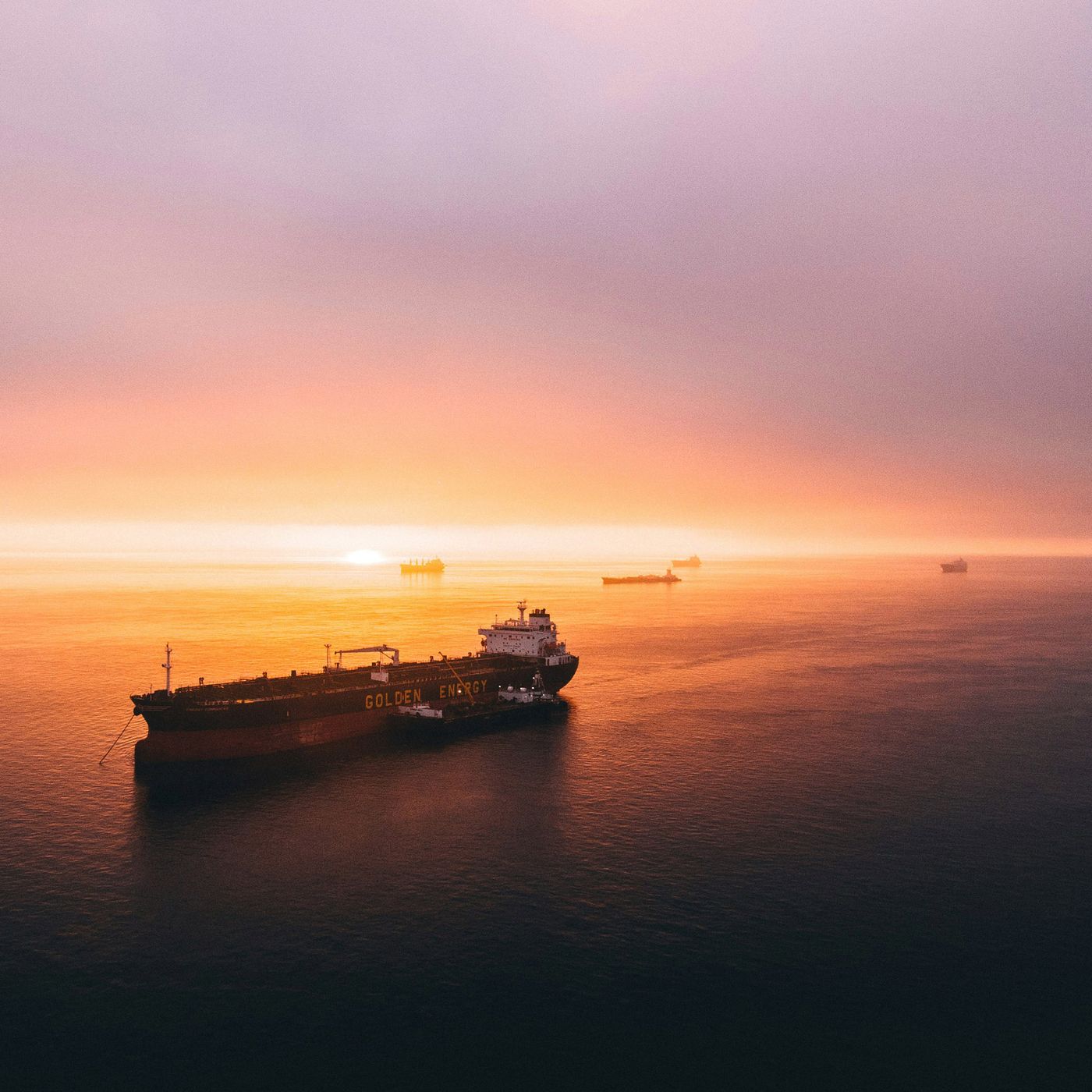
The Strait of Hormuz is widely regarded as the most critical and sensitive "bottleneck" in global trade, often described as the lifeline of the world economy. Located between the Persian Gulf and the Gulf of Oman, this narrow passage—measuring just 33 kilometers at its narrowest point—serves as the sole maritime gateway for energy resources exported from major producers such as Iraq, Kuwait, Saudi Arabia, Bahrain, Qatar, and the United Arab Emirates.Legally, the strait is governed by the United Nations Convention on the Law of the Sea (UNCLOS), which guarantees the right of transit passage for both commercial and military vessels of all nations, even during armed conflicts. However, geopolitical tensions and recent missile strikes have led to a de facto blockade. Regional authorities have signaled that any vessel attempting to traverse the passage could be targeted, effectively severing a route that handles up to one-third of the world's seaborne oil and approximately 30% of the global trade in liquefied natural gas (LNG).The blockade is enforced not only through conventional naval threats but also through electronic warfare, specifically the intentional disruption of Automatic Identification Systems (AIS). This creates significant collision risks in the narrow shipping lanes—where the navigable channels can be as narrow as three kilometers—and increases the likelihood of vessels unintentionally entering restricted territorial waters. Furthermore, the closure of key regional ports due to military activity has left hundreds of tankers stranded, unable to receive assistance or offload cargo.The economic consequences are immediate and severe. If a blockade persists for more than 25 days, oil producers may be forced to halt extraction entirely as land and sea storage facilities reach maximum capacity. While international powers have indicated a willingness to escort tankers and provide insurance guarantees, the market remains in a state of panic. Global energy prices have already reacted sharply; Brent crude oil prices rose significantly within the first days of the conflict, with analysts predicting they could surpass $100 per barrel if the situation is not resolved quickly.Geographically, Asian markets are the most vulnerable, as they receive about three-quarters of the oil flowing through the strait. Countries like China, India, and Pakistan depend heavily on this route for their energy security. Europe is also deeply affected, given its high reliance on imported oil and gas. For instance, countries that source a significant portion of their LNG from Qatar face immediate price hikes at fuel stations and increased operational costs for energy-intensive industries.Beyond direct energy costs, the crisis has paralyzed maritime and air transport. Major container carriers have introduced substantial war-risk surcharges, and the necessity of bypassing the region significantly extends delivery times for goods traveling from Asia to Europe. This disruption leads to supply chain delays, shortages of semi-finished products, and inflationary pressure on consumer goods. Energy-intensive sectors, such as metallurgy and chemical production (including fertilizers and plastics), are particularly hard-hit, as skyrocketing electricity and raw material costs undermine their competitiveness. The current situation represents a systemic shock to a highly interconnected global economy, where the closure of a single narrow passage can trigger a worldwide recession.Become a supporter of this podcast: https://www.spreaker.com/podcast/the-world-between-us--6886561/support.
Embed this episode
NOW PLAYING
The Strait of Hormuz: A Global Economic Chokepoint Under Siege
No transcript for this episode yet
Similar Episodes
No similar episodes found.
Similar Podcasts
No similar podcasts found.