PodParley PodParley

The Thing Begins | Part 3

So now the board is set and the pieces are in place. In the East, the battle-hardened, seemingly endless divisions of the Red Army, backed by the ruthless and pitiless Joseph Stalin and his state-driven terror. In the West, the idealistic to the point of naïveté allies and their game-changing pika-dons, the nuclear flash-booms that had turned Stalin’s relentless ambition into a pillar of salt. As he tapped his unlit pipe and smoothed his iconic mustache, Stalin was sure that while the West had the Bomb, they did not possess the will to use it; the Americans would not trade Boston for Berlin. Stalin wouldn’t invade because he wouldn’t have to; he’d move the Iron Curtain to keep the Allies out of Berlin. It was a blockade that the West could never get through... but one that they just might be able to get over. Learn more about your ad choices. Visit podcastchoices.com/adchoices

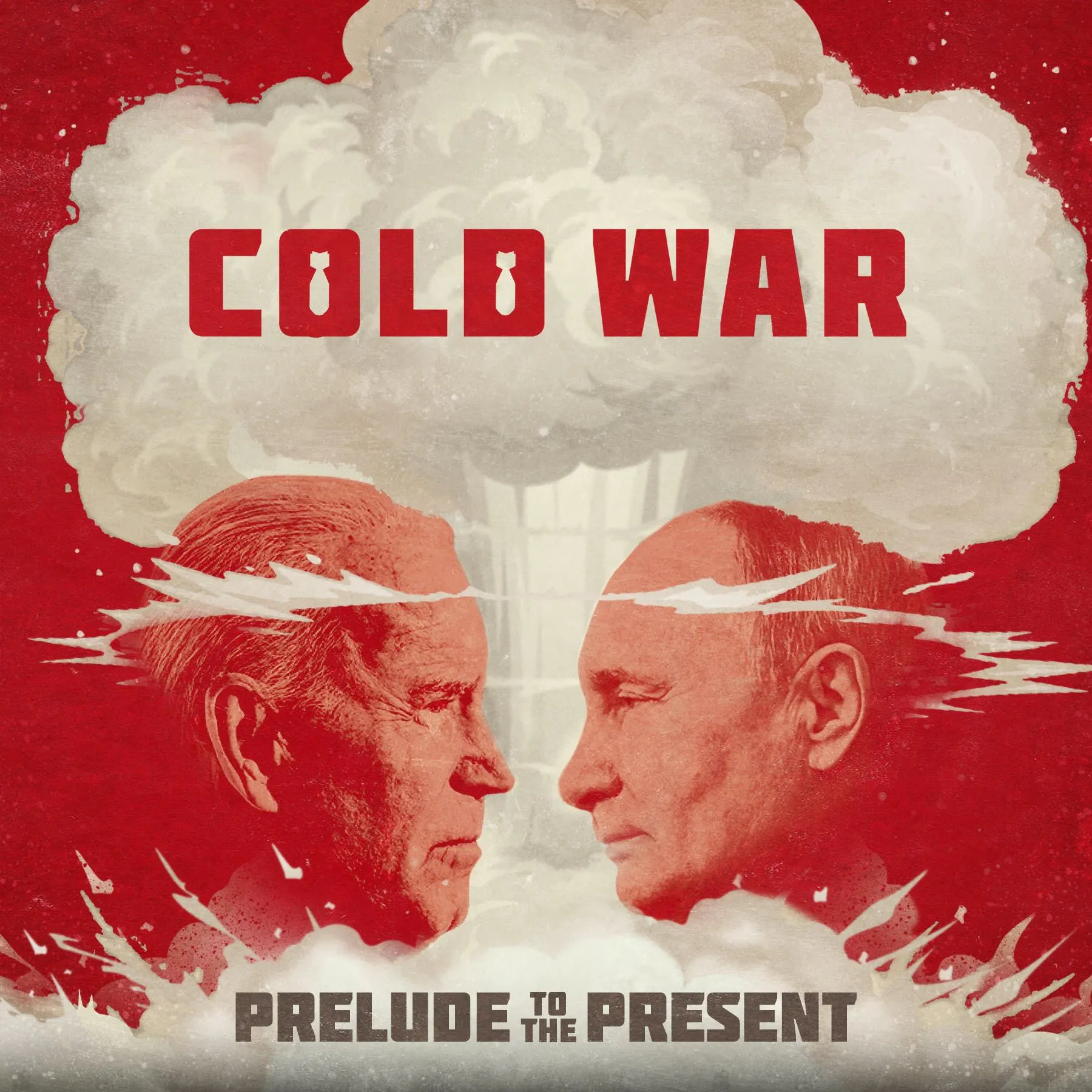
Episode 4 of the The Cold War: Prelude To The Present podcast, hosted by The Daily Wire, titled "The Thing Begins | Part 3" was published on February 14, 2020 and runs 57 minutes.

February 14, 2020 ·57m · The Cold War: Prelude To The Present

0:00 / 0:00

So now the board is set and the pieces are in place. In the East, the battle-hardened, seemingly endless divisions of the Red Army, backed by the ruthless and pitiless Joseph Stalin and his state-driven terror. In the West, the idealistic to the point of naïveté allies and their game-changing pika-dons, the nuclear flash-booms that had turned Stalin’s relentless ambition into a pillar of salt. As he tapped his unlit pipe and smoothed his iconic mustache, Stalin was sure that while the West had the Bomb, they did not possess the will to use it; the Americans would not trade Boston for Berlin. Stalin wouldn’t invade because he wouldn’t have to; he’d move the Iron Curtain to keep the Allies out of Berlin. It was a blockade that the West could never get through... but one that they just might be able to get over. Learn more about your ad choices. Visit podcastchoices.com/adchoices Learn more about your ad choices. Visit podcastchoices.com/adchoices

So now the board is set and the pieces are in place. In the East, the battle-hardened, seemingly endless divisions of the Red Army, backed by the ruthless and pitiless Joseph Stalin and his state-driven terror. In the West, the idealistic to the point of naïveté allies and their game-changing pika-dons, the nuclear flash-booms that had turned Stalin’s relentless ambition into a pillar of salt. As he tapped his unlit pipe and smoothed his iconic mustache, Stalin was sure that while the West had the Bomb, they did not possess the will to use it; the Americans would not trade Boston for Berlin. Stalin wouldn’t invade because he wouldn’t have to; he’d move the Iron Curtain to keep the Allies out of Berlin. It was a blockade that the West could never get through... but one that they just might be able to get over. Learn more about your ad choices. Visit podcastchoices.com/adchoices Learn more about your ad choices. Visit podcastchoices.com/adchoices
Music of the Cold War Johnny Freedom Music I find from WW2 and the Cold War that has not been officially published on Spotify. Coming in From the Cold: Untold Stories from the Cold War Coming in from the Cold explores forgotten—or never-remembered—national security policy initiatives, incidents and events during the Cold War. In each episode Cold War Historian Bill Rosenau, sits down with experts on a wide range of topics to discuss these events and how they are relevant to today's challenges. The views expressed here are those of the commentators and do not necessarily reflect the views of CNA or any of its sponsors. Origins of The Cold War - for iPod/iPhone The Open University How was The Cold War fought? What types of evidence do historians use to understand the events that took place?The Cold War was a state of political and military tension between the USA and the Soviet Union, along with their respective allies in the Western and Eastern Blocs.As The Cold War was 'fought' in so many different ways, it gives historians the opportunity to discuss the many ways that you can study the time period. This audio collection looks at how Cold War historians combine traditional sources with other forms of social and cultural history to build an overall view of this conflict.This material forms part of the Open University course ‘A327 Europe 1914-1989 War, Peace Modernity’ Submarine Sea Stories | Ever wonder what it's like to spend the cold war under water with 100 other guys? Bill Nowicki During the height of the cold war when Ronald Regan called the Soviet Union the evil empire, Bill Nowicki was in the Navy. He was a nuclear-trained electrician's mate aboard the Los Angeles class fast attack submarine, the USS Minneapolis / St. Paul (SSN 708) with 100 highly trained shipmates. These are the memories of those difficult (and sometimes hilarious) times told by the men who depended on one another for their lives.
URL copied to clipboard!