
EPISODE · Jun 13, 2025 · 17 MIN
The Tipping Point for Change: How Movements Take Root and Regenerative Futures Take Hold
from Gaia's Call · host Brad Swift
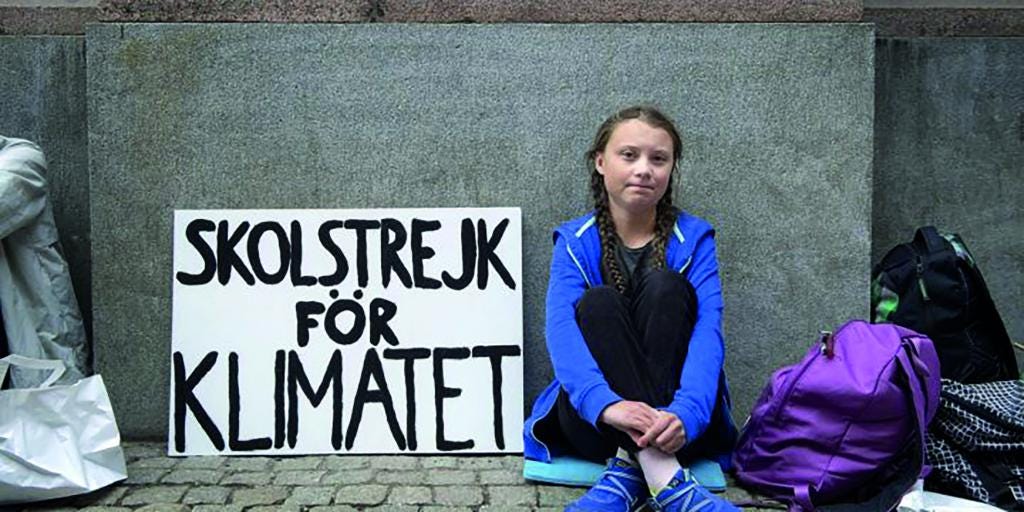
A True Story That Sparked a MovementIn 2019, residents of the small French town of Ungersheim made global headlines. Facing the twin threats of climate change and economic instability, the town embarked on a radical experiment: transition to local resilience. With strong leadership and grassroots participation, they transformed their food system to rely on local, organic agriculture, drastically reduced energy usage through solar investment and building retrofits, and built up local employment by emphasizing sustainability and community well-being over GDP growth.This real-world shift—dubbed "The Happy Degrowth"—became a model for other communities across Europe. At first, the changes seemed modest—planting school gardens, shifting to shared electric transport—but as more people joined in, a tipping point was reached. The town’s entire culture and economy began to orbit around regeneration.What began with a few citizens pulling weeds and dreaming bigger became an international signal of possibility—a real-life demonstration that resilience doesn’t have to wait for permission. It can begin in a backyard, a school, or a town square—wherever people gather to reimagine what’s possible together.Ungersheim showed us what it looks like when small groups lead with clarity, courage, and community—and the ripples they set in motion can reach around the world.What Are Social Tipping Points?In physics, a tipping point is the critical moment when an object in balance shifts and topples. In society, it’s the moment when a once-fringe idea suddenly becomes mainstream.According to Damon Centola’s research at the University of Pennsylvania, it takes just 25% of a group adopting a new behavior or belief to create a cascade of change. But it’s not about virality or influencers. It’s about complex contagions—ideas that require reinforcement, credibility, and social proof from multiple connections before they take root.Unlike a virus, a belief isn’t caught just by seeing it once. We need to see it coming from people we trust. Repeatedly. In different contexts. That’s what builds belief—and tips a society.“For behaviors that require coordination, credibility, and legitimacy, change needs social reinforcement,” Centola writes. “It needs multiple exposures from multiple sources.”This is a radical departure from the old myth of the single viral video or lone celebrity activist. Change doesn’t flow from the center out—it radiates from the edges inward, via wide, redundant bridges in our social networks.The Role of Grassroots MovementsLet’s be honest—big change rarely starts at the top. It usually starts in a school hallway, a community kitchen, or an online comment thread. It starts with people who are fed up, lit up, and willing to step up.Greta Thunberg didn’t start with a UN speech. She started with a hand-painted sign and a refusal to attend school on Fridays. Rosa Parks didn’t launch the civil rights movement from a stage. She sat down because she was tired. And tired of giving in.Grassroots movements work because they are embodied. They’re rooted in place, in pain, in urgency. And because they grow from real relationships, they have staying power.The Mothers Against Drunk Driving (MADD) movement began in grief, but its impact was seismic. In the 1980s, they changed not only laws but attitudes—because they refused to stop telling their stories and organizing others to act.And that’s the key: It’s not just about what you do, it’s about what you inspire others to do, too.Have you ever stood up for something at school or in your neighborhood and seen others follow your lead? That’s the ripple effect in action.Early Adopters and the Power of the EdgeOne of the most powerful myths we can debunk is that change comes from the most connected, most charismatic, or most credentialed.Real change often starts on the periphery.Early adopters are those brave enough to go first—not because they want to be seen, but because they’ve seen something worth believing in. They live on the edge of existing norms, and it’s from that edge that they can see new possibilities most clearly.In his book, Change: How to Make Big Things Happen, Centola explains how change doesn’t need influencers—it needs reinforcement. Wide bridges, not lone spotlights.In the climate world, this might look like:* A small-town mayor starting a composting initiative.* A family deciding to convert their lawn into a food forest.* A teacher rewriting the curriculum to include climate justice.One action. A few followers. Then many. Then a shift.The first penguin to dive into the water might seem brave—or foolish—but they’re the ones who show the rest it’s safe to follow.Storytelling as a CatalystFacts inform. Stories transform.Movements thrive when they’re driven by story. Not just numbers, but narratives. Not just stats, but symbols.Why do we remember The Story of Stuff? Why does Greta’s lone strike stick with us? Because these stories are simple, human, and emotional. They don’t just show us the problem—they invite us to be part of the solution.While the stories that make up the Zak Bates Eco-Adventure series didn’t really happen, they are based on true life events. I remembered the positive impact fictional stories had on my life growing up, including the Tom Swift Jr. series. The only problem with Tom was he was only interested in techy gadgets while my passion was for animals. So I decided to reach today’s kids who also love animals and want to believe in magic by writing the kinds of stories I would want to read.“What’s your story? And who needs to hear it?”Turning Ripples into Waves – The Green Family RespondsLet’s ground this in our One Cause companions:At first, it was just an idea over dinner—Sarah and Daniel inviting a few neighbors to share a potluck and brainstorm ways to reduce single-use plastics in their community. What began as a casual conversation turned into a community-wide initiative to plant trees, share reusable alternatives, and co-create a local zero-waste week.Meanwhile, their daughter Emma noticed the mountains of Styrofoam trays in her school cafeteria and decided to speak up. She launched a petition, gathered over 200 signatures, and worked with her principal to pilot a reusable tray program. The cafeteria changed—but so did the conversation among students.Inspired by his sister, Lucas picked up his camera. He began filming short interviews with ten local families who had made simple yet powerful shifts: composting, biking more, installing rain barrels. He stitched their stories together into a video project called “Ripples of Change,” which their town screened at the library.And it wasn’t just the younger generation. Nancy and Robert, Emma and Lucas’s grandparents, dusted off memories from their days in the civil rights and environmental justice movements. They shared these stories at the potluck gatherings and in classrooms, reminding everyone that what seems small today can be the start of something far-reaching tomorrow.Their story is still unfolding. But together, their family became a local tipping point—one ripple at a time.This is what tipping points look like in real life: tiny shifts in many places that start to line up like dominoes. One by one. Until the momentum becomes irresistible.What’s your version of the Green Family’s ripple? Share a small action your family is taking—or one you’d love to try—in the community chat.Reflection & Action* What’s one small but visible action you could take this week?* Who are three people in your network who might join you?* Is there a story or belief you could share to light a spark in someone else?Which of these questions speaks most to you? We’d love to hear your ripple story in the comments below.Eco-Guardian Training Camp: Your Mini-MissionMission Name: Operation Ripple EffectObjective: Create a ripple—small, visible, and full of intention—that demonstrates your commitment to a more regenerative world.Ideas:* Host a one-hour Earth Listening Circle with friends or classmates.* Post a 60-second “Why I Care” story on social media.* Write a letter to a local official or principal about one change you’d like to see.* Join an existing group—or start your own!Bonus Challenge: Find three others to ripple with you. That’s your personal 3.5% tipping point.Remember: You’re not just waiting for change. You are the change.Thanks for reading One Cause! This post is public, so feel free to share it with other eco-conscious families ready to ripple small actions into big change.Coming SoonIn our next chapter, we’ll explore Group Flow in Action—and how small circles of committed people (like Earth Listening Circles or virtual gatherings) can unlock regenerative potential far greater than the sum of their parts.Together, we become the tipping point.This series is just beginning. Subscribe now so you don’t miss the next One Cause chapter: Group Flow in Action. This is a public episode. If you'd like to discuss this with other subscribers or get access to bonus episodes, visit wbradfordswift.substack.com/subscribe
Embed this episode
Ready to play
The Tipping Point for Change: How Movements Take Root and Regenerative Futures Take Hold
No transcript for this episode yet
Similar Episodes
No similar episodes found.