
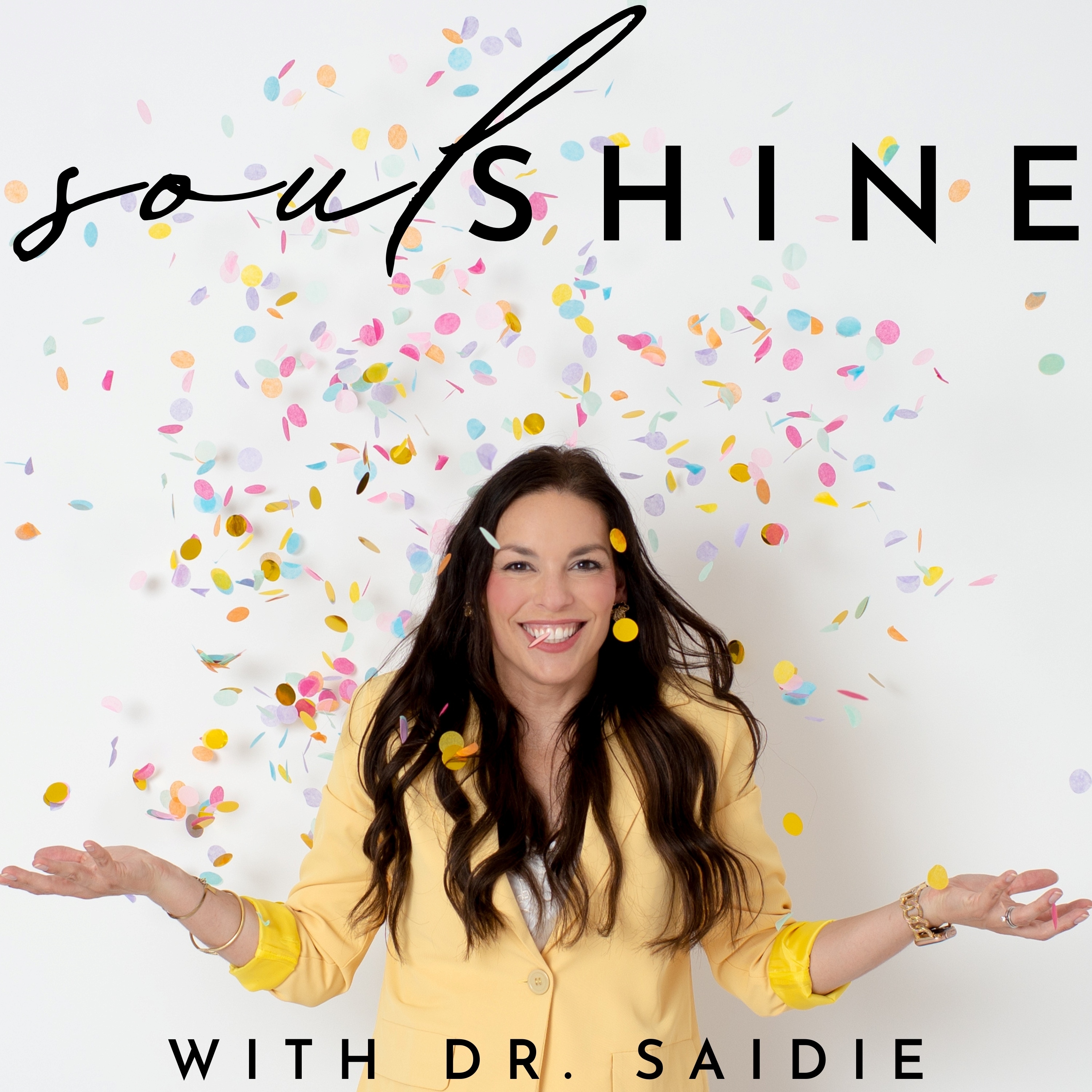
EPISODE · Mar 17, 2026 · 16 MIN
The Truth About Why We Apologize—and How To Take Up Space
from soulSHINE: The Art of Becoming · host Dr. Saidie
We apologize constantly—often without realizing it. “I’m sorry I’m late.” “I’m sorry I need a moment.” “I’m sorry for asking.” But what if those apologies aren’t humility… What if they’re habits of self-erasure? In this episode, we explore a powerful reframe: replacing unnecessary apologies with gratitude. Not as politeness—but as presence, confidence, and relational intelligence. Drawing from psychology, strength-based learning research, and real-world team dynamics, this conversation reveals how language shapes self-worth, motivation, and connection. We unpack why over-apologizing reinforces deficit thinking, how gratitude activates generosity and spaciousness, and why it’s not only okay—but necessary—to take up space as a human being. This episode is an invitation to: Stop shrinking yourself for convenience Shift from self-blame to connection Speak in a way that lifts both you and others Practice confidence without aggression Reclaim your voice, time, and humanity You’ll leave with grounded insights, embodied reframes, and reflective questions to support self-trust, leadership, and authentic presence. You are not wrong for needing time. You are not a burden for thinking deeply. You do not need to apologize for being human. Sometimes the most powerful words aren’t “I’m sorry”— they’re thank you. Science mentioned: Hiemstra D, Van Yperen NW. The effects of strength-based versus deficit-based self-regulated learning strategies on students' effort intentions. Motiv Emot. 2015;39(5):656-668. doi: 10.1007/s11031-015-9488-8. PMID: 26380533; PMCID: PMC4565885. Flückiger C, Munder T, Del Re AC, Solomonov N. Strength-based methods - a narrative review and comparative multilevel meta-analysis of positive interventions in clinical settings. Psychother Res. 2023 Sep;33(7):856-872. doi: 10.1080/10503307.2023.2181718. Epub 2023 Mar 2. PMID: 36863015; PMCID: PMC10440292. Rashid T, Ostermann RF. Strength-based assessment in clinical practice. J Clin Psychol. 2009 May;65(5):488-98. doi: 10.1002/jclp.20595. PMID: 19294732. Turner EH, Mueller CW. Greater Focus on Strengths is Associated with Successful Discharge in Youth Public Mental Health Treatment. Adm Policy Ment Health. 2021 Sep;48(5):732-741. doi: 10.1007/s10488-021-01121-x. Epub 2021 Feb 23. PMID: 33624126. Algoe SB, Dwyer PC, Younge A, Oveis C. A new perspective on the social functions of emotions: Gratitude and the witnessing effect. J Pers Soc Psychol. 2020 Jul;119(1):40-74. doi: 10.1037/pspi0000202. Epub 2019 Aug 15. PMID: 31414873. Follow: Apple: https://podcasts.apple.com/us/podcast/soulshine-the-art-of-becoming/id1831612144 Spotify: https://open.spotify.com/show/6KOkEyzGgMDLI2QifC3XH0 YouTube: https://www.youtube.com/@SoulSHINE_global Instagram: https://www.instagram.com/soulshine_global/ or @soulshine_global Website: https://soulshine.global/ Email: [email protected] Subscribe, rate and review the vodcast. Email a screenshot of your review for a free gift guided meditation and enter a drawing for a free coaching session. Drawings will occur every 50 review milestone.
Embed this episode
Ready to play
The Truth About Why We Apologize—and How To Take Up Space
No transcript for this episode yet
Similar Episodes
No similar episodes found.
Similar Podcasts
No similar podcasts found.