
EPISODE · Feb 5, 2026 · 14 MIN
The U.S. housing crisis looms large. Could a Thai model help solve it?
from Berkeley Voices
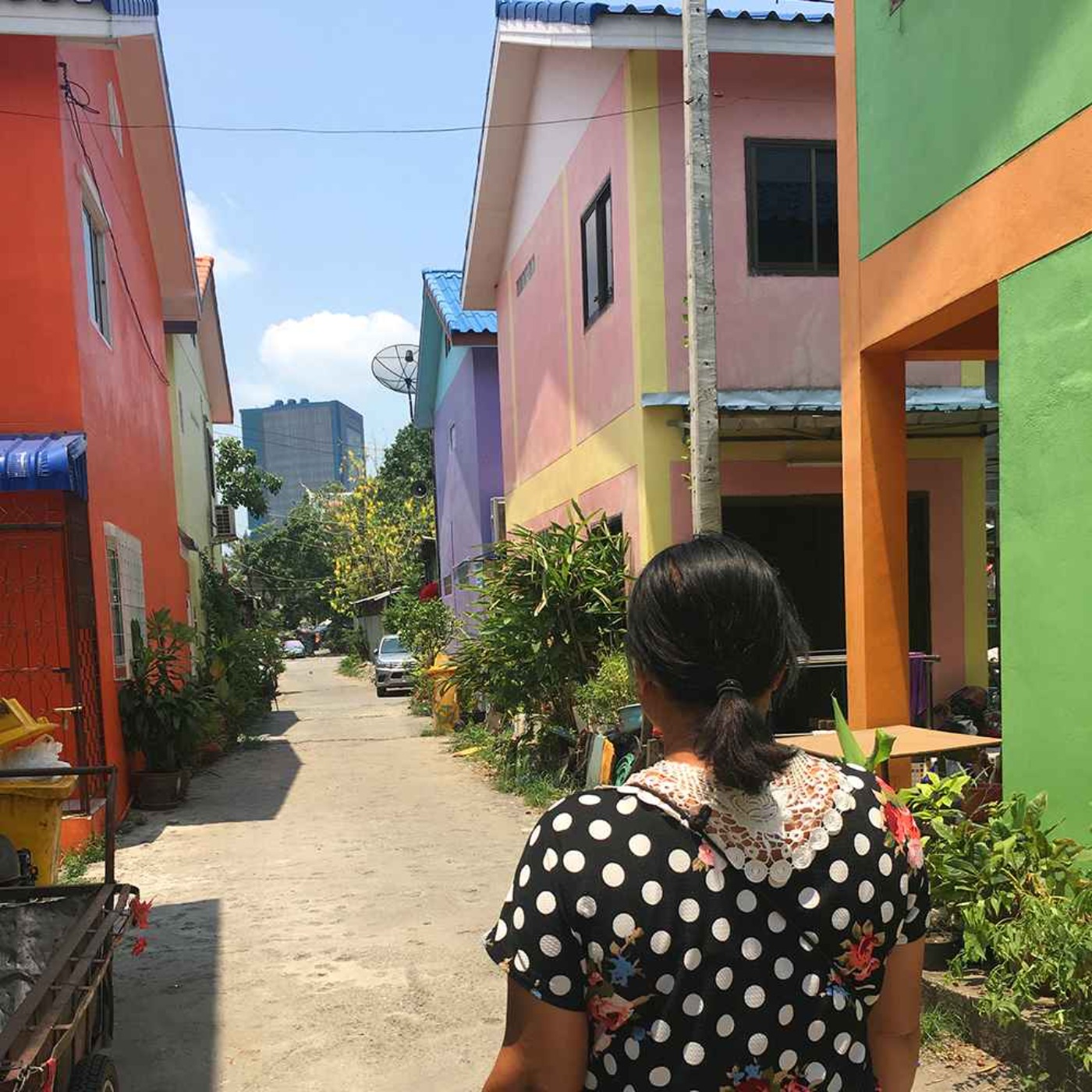
In the United States, the housing crisis can feel like an unsolvable puzzle. We talk of housing as something we navigate alone — a commodity we rent or buy, subject to the whims of a volatile market.But in Thailand, they’ve pioneered a different model. A government program called Baan Mankong, or “secure housing,” treats shelter as a collective right — and proves that the U.S.’s individualist framework isn’t the only way.As a Berkeley Ph.D. student in 2014, Hayden Shelby wanted to know if a similar strategy could work in the U.S. In order to decipher the complex policy, she enrolled in advanced Thai in the Department of Southeast Asian studies.Now a leading expert on the program in the U.S., Shelby says speaking Thai on the ground with experts and community members was invaluable.“People open up when they know you’ve made this really deep and difficult investment in learning their language,” she says. “It breaks down that expert/non-expert barrier.”In this episode of Berkeley Voices, we look at how acquiring a new language can shift our worldview, and what happens when we stop asking what we can do for other countries and start asking what we can learn from them.This is the fourth episode of our latest season, featuring UC Berkeley scholars working on life-changing research — and the people whose lives are changed by it.Listen to the episode and read the transcript on UC Berkeley News (news.berkeley.edu/podcasts/berkeley-voices).Music by Blue Dot Sessions.Photo courtesy of Hayden Shelby. Hosted on Acast. See acast.com/privacy for more information.
Embed this episode
NOW PLAYING
The U.S. housing crisis looms large. Could a Thai model help solve it?
No transcript for this episode yet
Similar Episodes
No similar episodes found.
Similar Podcasts
No similar podcasts found.