The Uncanny Valley episode artwork

EPISODE · Sep 29, 2023 · 1H 3M

The Uncanny Valley

from Hotel Bar Sessions · host Leigh M. Johnson, Jennifer Kling, Bob Vallier

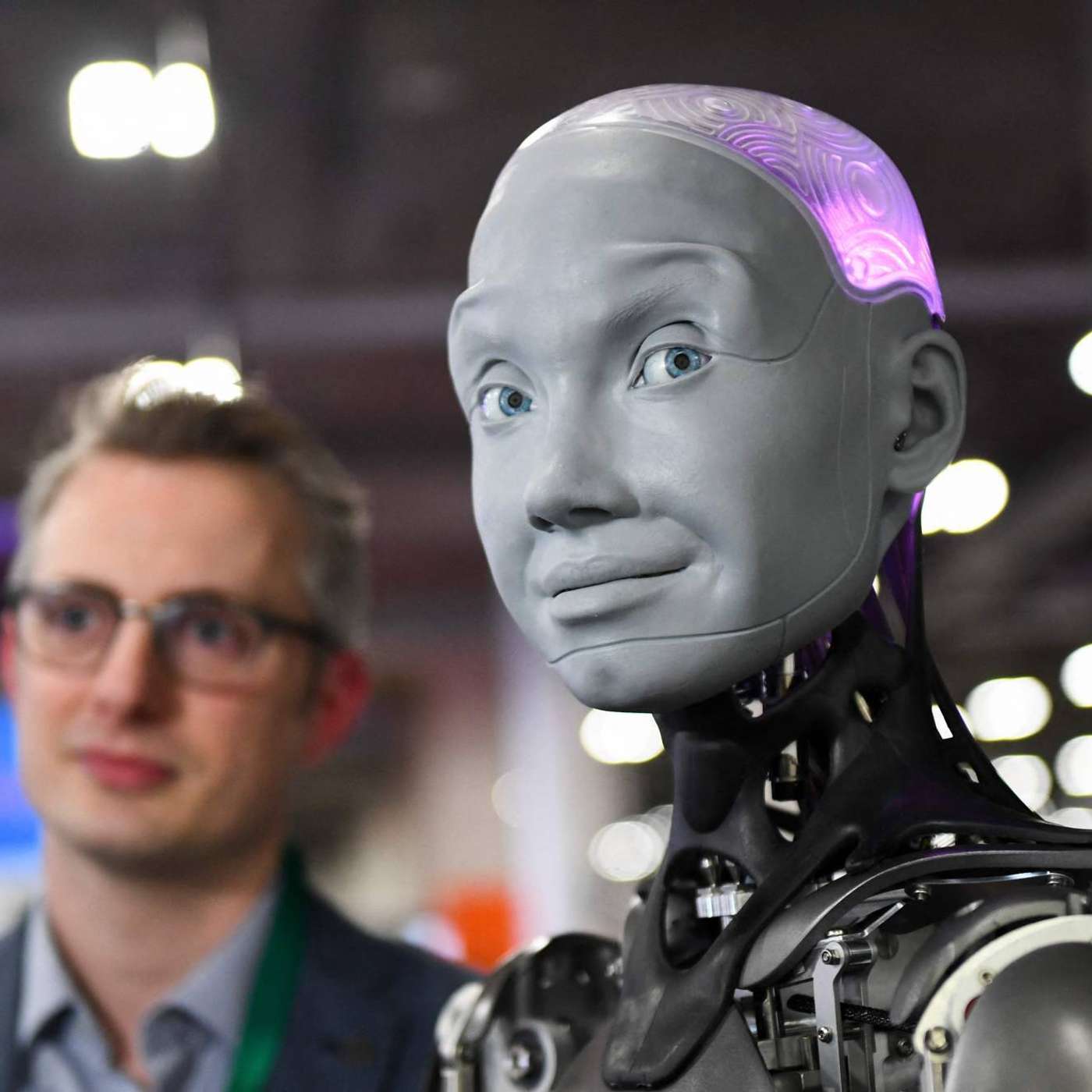
The HBS hosts discuss why humanlike robots are sooooo creepy.In 1970, a Japanese roboticist by the name of Masahiro Mori published a short essay in the journal Energy entitled “The Uncanny Valley," in which he attempted to explain humans' reactions to robots that looked and acted almost human.  Mori hypothesized that when we encounter humanlike technological objects, our feelings of affinity toward them tend to increase as their verisimilitude increase. (To use a Star Wars example, think of the way we’re more positively drawn to C3PO than to R2D2.)  However, the moment robots appear or behave in a too humanlike way, our attitude towards them immediately shifts to revulsion. (Think about the difference in your attitude toward C3PO and your attitude toward the King from the Burger King commercials.) Crossing that line between “humanlike” and “too humanlike,” Mori hypothesized, is like stepping off a precipice. Things just get creepier and creepier.In the 50 years since Mori first hypothesized the uncanny valley, as we all know, technology has advanced at light-speed. Improvements in robotics, computer generated imagery, augmented reality, and artificial intelligence technologies have made it increasingly difficult for us to readily perceive the difference between the human and the humanlike. All of this sparked renewed interest in Mori’s hypothesis: cognitive scientists and neuroscientists engaged in experimental “testing” of the uncanny valley. Psychoanalysts reopened their Freud, Jentsch, and Lacan books for reconsideration. (Philosophers did, too, but they added Schelling, Nietzsche, and Guy de Bord.) Philosophers of technology were born, as film and literary critics congratulated each other on hitting the lottery.Also important to note: Mori’s original essay states that his was an “incomplete” theory, and he very explicitly calls for readers to “build an accurate map of the uncanny valley.”So, today, we’re going to talk about the uncanny, the uncanny valley, whether or not our ability to distinguish between the human and the humanlike is fading, and if that matters.Prepare to be creeped out.Full episode notes available at this link:https://hotelbarpodcast.com/podcast/episode-110-the-uncanny-valley-------------------If you enjoy Hotel Bar Sessions podcast, please be sure to subscribe and submit a rating/review! Better yet, you can support this podcast by signing up to be one of our Patrons at patreon.com/hotebarsessions!Follow us on Twitter @hotelbarpodcast, on Facebook, on TikTok, and subscribe to our YouTube channel!      ★ Support this podcast on Patreon ★

The HBS hosts discuss why humanlike robots are sooooo creepy.In 1970, a Japanese roboticist by the name of Masahiro Mori published a short essay in the journal Energy entitled “The Uncanny Valley," in which he attempted to explain humans' reactions to robots that looked and acted almost human.  Mori hypothesized that when we encounter humanlike technological objects, our feelings of affinity toward them tend to increase as their verisimilitude increase. (To use a Star Wars example, think of the way we’re more positively drawn to C3PO than to R2D2.)  However, the moment robots appear or behave in a too humanlike way, our attitude towards them immediately shifts to revulsion. (Think about the difference in your attitude toward C3PO and your attitude toward the King from the Burger King commercials.) Crossing that line between “humanlike” and “too humanlike,” Mori hypothesized, is like stepping off a precipice. Things just get creepier and creepier.In the 50 years since Mori first hypothesized the uncanny valley, as we all know, technology has advanced at light-speed. Improvements in robotics, computer generated imagery, augmented reality, and artificial intelligence technologies have made it increasingly difficult for us to readily perceive the difference between the human and the humanlike. All of this sparked renewed interest in Mori’s hypothesis: cognitive scientists and neuroscientists engaged in experimental “testing” of the uncanny valley. Psychoanalysts reopened their Freud, Jentsch, and Lacan books for reconsideration. (Philosophers did, too, but they added Schelling, Nietzsche, and Guy de Bord.) Philosophers of technology were born, as film and literary critics congratulated each other on hitting the lottery.Also important to note: Mori’s original essay states that his was an “incomplete” theory, and he very explicitly calls for readers to “build an accurate map of the uncanny valley.”So, today, we’re going to talk about the uncanny, the uncanny valley, whether or not our ability to distinguish between the human and the humanlike is fading, and if that matters.Prepare to be creeped out.Full episode notes available at this link:https://hotelbarpodcast.com/podcast/episode-110-the-uncanny-valley-------------------If you enjoy Hotel Bar Sessions podcast, please be sure to subscribe and submit a rating/review! Better yet, you can support this podcast by signing up to be one of our Patrons at patreon.com/hotebarsessions!Follow us on Twitter @hotelbarpodcast, on Facebook, on TikTok, and subscribe to our YouTube channel!      ★ Support this podcast on Patreon ★

NOW PLAYING

The Uncanny Valley

0:00 1:03:35

No transcript for this episode yet

We transcribe on demand. Request one and we'll notify you when it's ready — usually under 10 minutes.

No similar episodes found.

RAISING THE BAR MUSICHYPEBEAST The RAISING THE BAR Podcast is dedicated to providing a fresh and unconventional broadcast platform for the biggest names in music and entertainment.The interview insight provided by the staff of MUSICHYPEBEAST separates us from the pack. The passion of RAISING THE BAR podcast is fueled by Millennial Music culture. Hosted on Acast. See acast.com/privacy for more information. NEWMORROW SESSIONS - A PodCast Series on the Future of Hospitality Mario C. Bauer, Florian Schneider, Axel Weber & Dr. Tillman Bardt The Newmorrow PodCast is more than a podcast — it's a platform for open dialog on the future of our business, a platform for those building what doesn’t exist yet. Here, we share and embrace our passion for the hospitality industry, but we won’t romanticize the journey. We ask the tough questions, confront uncomfortable truths, and prepare for a future that resists easy answers. We believe that the tougher and wilder times become, the more openly, honestly and humanely people need to talk to each other and act together. We believe, openness, togetherness, and truthfulness should also be cornerstones of a professional community to develop our utopian idea of „open source“. This is a space where visionaries don’t just imagine the future — they wrestle with the paradoxes that shape it: success vs. happiness, data vs. instinct, stability vs. reinvention. Join leaders, entrepreneurs, and thinkers as they share not what made them — but what’s actively shaping them, now and next. So tune in rAIsing the bar Isha Karim “rAIsing the bar” is a female-run podcast series committed to broadening the AI conversation and sparking discussion around the ethics and controversies surrounding the field today. By making AI more accessible in such an interconnected world, we aspire to foster an interest in AI for as many people as possible. Willow Bend Zen | Guided Sleep Hypnosis Ariadne Mayz At Willow Bend Zen I offer Guided Meditation/hypnosis and Affirmation sessions designed to help you create and live the life of your dreams. Through repeated listening we will re-program any limiting beliefs you have and replace them with the limitless possibilities that will become your reality. Here you will find almost any topic that comes to mind. Using the Law of Attraction you can attract great love, vibrant health, enormous wealth, inner peace and anything else you wish to create. There are no limits here. So sit back, relax and allow the good vibes to help you drift into the most blissful feeling experience you can imagine. Thank you for joining me!Light, Love and Harmony 💛Ariadne

Frequently Asked Questions

How long is this episode of Hotel Bar Sessions?

This episode is 1 hour and 3 minutes long.

When was this Hotel Bar Sessions episode published?

This episode was published on September 29, 2023.

What is this episode about?

The HBS hosts discuss why humanlike robots are sooooo creepy.In 1970, a Japanese roboticist by the name of Masahiro Mori published a short essay in the journal Energy entitled “The Uncanny Valley," in which he attempted to explain humans' reactions...

Can I download this Hotel Bar Sessions episode?

Yes, you can download this episode by clicking the download button on the episode player, or subscribe to the podcast in your preferred podcast app for automatic downloads.
URL copied to clipboard!