Then & Now #14: Teresa Cherfas in conversation with Mamuka Kuparadze and Aleksandr Pichugin episode artwork

EPISODE · Jan 9, 2024 · 44 MIN

Then & Now #14: Teresa Cherfas in conversation with Mamuka Kuparadze and Aleksandr Pichugin

from Rights in Russia · host Rights in Russia

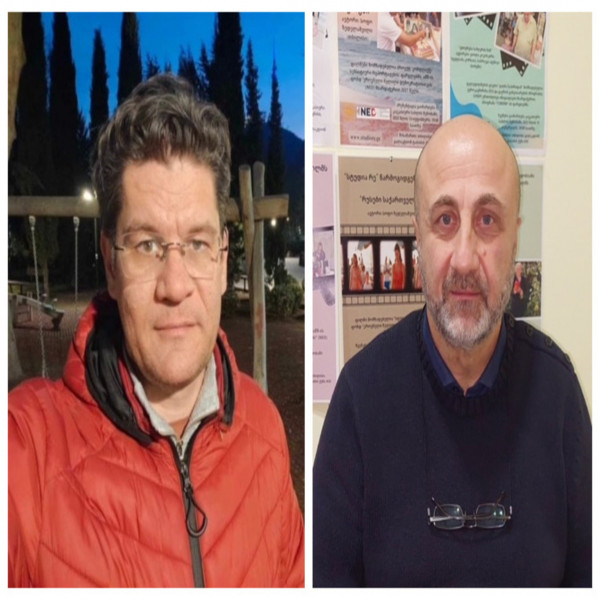
My guests today are Mamuka Kuparadze, the founder of Studio Re in Tbilisi, which works to advance ‘people’s diplomacy’ through documentary film, and Aleksandr Pichugin, a Russian journalist, originally from Nizhny Novgorod, who left Russia with his family immediately after the announcement of the Russian invasion of Ukraine and started a new life in Tbilisi.Since Russia’s full-scale invasion of Ukraine, the flow of Russian citizens fleeing the war to Georgia has reached an unprecedented 100,000. That’s the size of two small Georgian cities such as Gori, for example.Since the collapse of the Soviet Union, relations between Georgia and Russia have not been easy. There have been wars of secession, first in South Ossetia, then in Abkhazia, and their de facto removal from Georgian government control. And the culmination of these wars, we can say, took place 15 years later, in 2008, when Russia invaded Georgia and won a five-day war after which Russia “officially” recognized the independence of Abkhazia and South Ossetia (both are still considered by the international community as legitimate parts of Georgia. Georgia itself calls them Russian-occupied territories).In this edition of ‘Then and Now’, we take a look at how Georgian society and government perceives these immigrants from Russia and how Russian immigrants live there.The recording was made on 4 January 2024.My questions include:Aleksandr, what pushed you to such an important decision for yourself and your family? After all, it is not easy to start from scratch in a foreign country?Why Georgia? Did the visa system play a role in your decision?Did you find a place to live? A job? Tell us a little about how you solved such domestic problems and how you were received by Georgian society. Is there a sense of a separate ‘Russian world’ in Tbilisi?Mamuka, Studio Re recently released a short movie about how the local population feels about the flow of Russian immigrants into their country. What were the main findings of your research?How does the flow of Russians into Georgia affect the country’s economy?Against the background of extremely uneasy and tense relations with Putin’s Russia, how do the Georgian government and civil society feel about the presence of so many Russians on Georgian territory, Mamuka?Refugees from Ukraine have also come to Georgia. Aleksandr, is the presence of Ukrainians felt in your circles?The Georgian border service has denied entry to the country to several Russian citizens who are critical of Putin’s regime, such as Mikhail Fishman, journalist, presenter and analyst of TV Dozhd, and others. What is the explanation for this, Mamuka? What is the position of the country’s ruling party, the ‘Georgian Dream’, towards today’s Russia?How does it differ from the position of activists in civil society?Aleksandr, how did you in Georgia perceive the new flow of Russian immigrants, which began immediately after the announcement of mobilization on 22 October? Do you feel a difference in the motivation and goals of the first wave compared to the second?Has the war with Ukraine given rise to new anxieties on the part of Russia in Georgia, Mamuka?How do Russians in Georgia see their future? Have some already returned to Russia? How do you personally see your future, Aleksandr?

My guests today are Mamuka Kuparadze, the founder of Studio Re in Tbilisi, which works to advance ‘people’s diplomacy’ through documentary film, and Aleksandr Pichugin, a Russian journalist, originally from Nizhny Novgorod, who left Russia with his family immediately after the announcement of the Russian invasion of Ukraine and started a new life in Tbilisi.Since Russia’s full-scale invasion of Ukraine, the flow of Russian citizens fleeing the war to Georgia has reached an unprecedented 100,000. That’s the size of two small Georgian cities such as Gori, for example.Since the collapse of the Soviet Union, relations between Georgia and Russia have not been easy. There have been wars of secession, first in South Ossetia, then in Abkhazia, and their de facto removal from Georgian government control. And the culmination of these wars, we can say, took place 15 years later, in 2008, when Russia invaded Georgia and won a five-day war after which Russia “officially” recognized the independence of Abkhazia and South Ossetia (both are still considered by the international community as legitimate parts of Georgia. Georgia itself calls them Russian-occupied territories).In this edition of ‘Then and Now’, we take a look at how Georgian society and government perceives these immigrants from Russia and how Russian immigrants live there.The recording was made on 4 January 2024.My questions include:Aleksandr, what pushed you to such an important decision for yourself and your family? After all, it is not easy to start from scratch in a foreign country?Why Georgia? Did the visa system play a role in your decision?Did you find a place to live? A job? Tell us a little about how you solved such domestic problems and how you were received by Georgian society. Is there a sense of a separate ‘Russian world’ in Tbilisi?Mamuka, Studio Re recently released a short movie about how the local population feels about the flow of Russian immigrants into their country. What were the main findings of your research?How does the flow of Russians into Georgia affect the country’s economy?Against the background of extremely uneasy and tense relations with Putin’s Russia, how do the Georgian government and civil society feel about the presence of so many Russians on Georgian territory, Mamuka?Refugees from Ukraine have also come to Georgia. Aleksandr, is the presence of Ukrainians felt in your circles?The Georgian border service has denied entry to the country to several Russian citizens who are critical of Putin’s regime, such as Mikhail Fishman, journalist, presenter and analyst of TV Dozhd, and others. What is the explanation for this, Mamuka? What is the position of the country’s ruling party, the ‘Georgian Dream’, towards today’s Russia?How does it differ from the position of activists in civil society?Aleksandr, how did you in Georgia perceive the new flow of Russian immigrants, which began immediately after the announcement of mobilization on 22 October? Do you feel a difference in the motivation and goals of the first wave compared to the second?Has the war with Ukraine given rise to new anxieties on the part of Russia in Georgia, Mamuka?How do Russians in Georgia see their future? Have some already returned to Russia? How do you personally see your future, Aleksandr?

NOW PLAYING

Then & Now #14: Teresa Cherfas in conversation with Mamuka Kuparadze and Aleksandr Pichugin

0:00 44:29

No transcript for this episode yet

We transcribe on demand. Request one and we'll notify you when it's ready — usually under 10 minutes.

MG Show MG Show The MG Show, hosted by Jeffrey Pedersen and Shannon Townsend, is a leading alternative media platform dedicated to uncovering the truth behind today’s most pressing political issues. Launched in 2019, the show has grown exponentially, offering unfiltered insights, comprehensive research, and real-time analysis. With a commitment to independent journalism and factual integrity, the MG Show empowers its audience with knowledge and encourages active participation in the political discourse. Breaking News Show | eTurboNews Juergen Thomas Steinmetz News is relevant to the global travel and tourism industry, human rights and global issues.Breaking news when it happens and only from the source. Eat to Live Jenna Fuhrman, Dr. Fuhrman Our health is our most precious gift and smart nutrition can change your life. Each month, join Dr. Fuhrman and his daughter, Jenna Fuhrman as they discuss important topics in the world of nutrition. Eat to Live will change the way you eat and think about food. French Your Way Jessica: Native French teacher founder of French Your Way Boost your French listening skills and test your comprehension with this one of a kind series of podcasts. Get the chance to listen to a real conversation between native speakers talking at normal speed AND customise your learning experience through carefully designed sets of questions (2 levels of difficulty) available for download at www.frenchvoicespodcast.com. All interviews also come with the transcript. French teacher Jessica interviews native speakers of French from around the world who share a bit of their life and passion. Where else would you meet in one same place a French yoga teacher based in Melbourne, a soap manufacturer from Provence, or a couple cycling around the world?

Frequently Asked Questions

How long is this episode of Rights in Russia?

This episode is 44 minutes long.

When was this Rights in Russia episode published?

This episode was published on January 9, 2024.

What is this episode about?

My guests today are Mamuka Kuparadze, the founder of Studio Re in Tbilisi, which works to advance ‘people’s diplomacy’ through documentary film, and Aleksandr Pichugin, a Russian journalist, originally from Nizhny Novgorod, who left Russia with his...

Can I download this Rights in Russia episode?

Yes, you can download this episode by clicking the download button on the episode player, or subscribe to the podcast in your preferred podcast app for automatic downloads.
URL copied to clipboard!