They Did the Best They Could
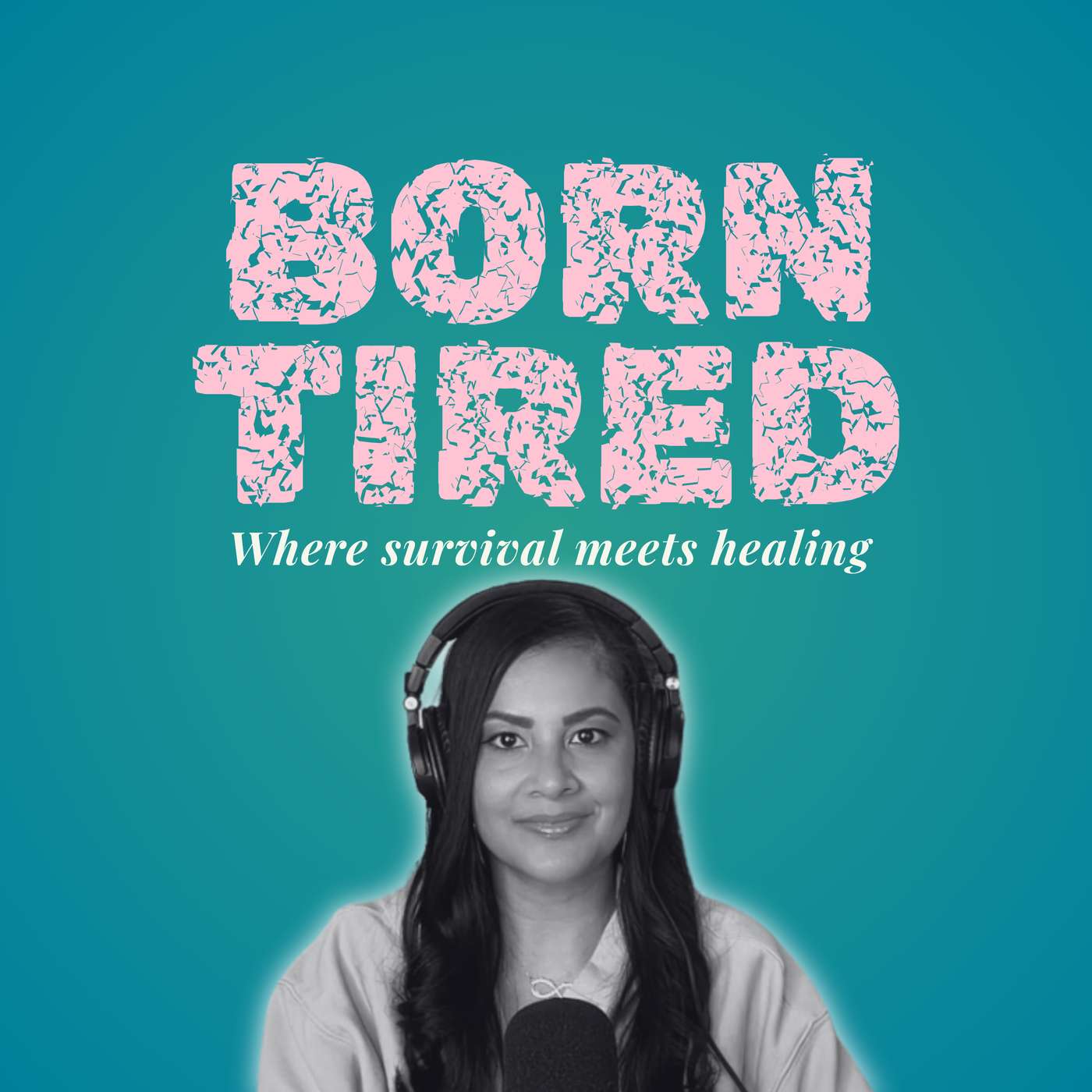
from Born Tired: Where Survival Meets Healing Hosted by Eirene Torres
“They did the best they could” is one of the phrases I’ve heard most often when people talk about difficult childhoods. Sometimes it’s offered with kindness. Sometimes it’s an attempt to make sense of how parents who were supposed to make us feel safe became the source of some of our deepest wounds. In this episode of Born Tired: Where Survival Meets Healing, I reflect on what happens when understanding the parent becomes more important than understanding the child. I talk about the complicated space between compassion and accountability. I’ve spent years trying to understand my parents, their childhoods, trauma, addiction, mental illness, and the experiences that shaped them long before I was born. That understanding gave me context and compassion, but it also taught me something important: understanding why someone became who they are doesn't erase the impact of what they did. For years, I became incredibly good at explaining everyone else. I could trace behaviors through generations and understand the pain underneath them. But somewhere along the way, I realized I had become fluent in everyone else’s story while struggling to fully believe my own. My empathy for my parents had become so large that there was almost none left for the little girl I used to be. In this episode, I reflect on what my parents’ “best” actually cost me. Their best left a child learning to read the emotional temperature of a room, stay alert to danger, and carry pain that was never hers to carry. Becoming a mother has made me understand that child differently. Watching my own children grow has continually reminded me how young I really was and that wanting safety, protection, patience, and love was never asking for too much. I also talk about how parenthood has changed my definition of doing your best. I’ve made mistakes with my children. I’ve lost my patience and had moments I wish I had handled differently. But doing my best doesn’t have to be the end of the conversation. I can apologize, listen, repair, learn, and try again. Healing doesn’t require perfection, but accountability asks us to remain willing to see how our actions affect the people we love. This conversation explores the difference between intention and impact, and why accountability doesn’t have to mean punishment or condemnation. Someone can genuinely love you and still leave wounds. They can be deeply wounded and still wound other people. I can acknowledge my parents’ humanity and the suffering they carried without rewriting what it was like to be their child. Eventually, I realized I didn’t need to answer the question I had spent so many years trying to solve: Did they really do the best they could? Maybe they did. Maybe they didn’t. I don’t know if anyone can truly measure another person’s capacity. The question that finally mattered more was: What did it cost me? Their capacity was never supposed to be mine to measure. My responsibility now is to care for the person who lived with the consequences. nFor me, cycle breaking has meant learning that compassion can finally include me. I don’t want my children to remember a perfect mother. I hope they remember someone who apologized, listened, kept learning, and was willing to admit when she got it wrong. Someone who showed them that relationships can survive honesty and that repair is possible. Maybe doing our best shouldn’t be something we use to avoid accountability. Maybe it means remaining open enough to keep becoming better, and that’s how we give the next generation something different. Gentle Reminder: This podcast includes conversations about trauma, alcoholism, addiction, emotional abuse, dysfunctional family systems, enabling, hypervigilance, parentification, mental health, and lived experiences. Listener discretion is advised. 🤍 Support the podcast: Buy Me a Coffee — https://buymeacoffee.com/mzd5yc89kkk 📌 Follow me: Instagram: @borntiredpodcast Threads: @borntiredpodcast TikTok: @borntiredpodcast Substack: https://substack.com/@borntiredpodcast Credits: Written & narrated by Eirene Torres Audio production by Carlos Torres Original music by Carlos Torres Disclaimer: Born Tired is a personal storytelling podcast based on lived experience. This content is not a substitute for professional mental health care and does not provide medical or clinical advice. If you are struggling or in crisis, please consider reaching out to a qualified mental health professional or local support services.
Embed this episode
No transcript yet.