
EPISODE · Jul 1, 2026 · 1 MIN
They Want You to Feel Alone. You're Not.
from The Michael Fanone Show · host Michael Fanone
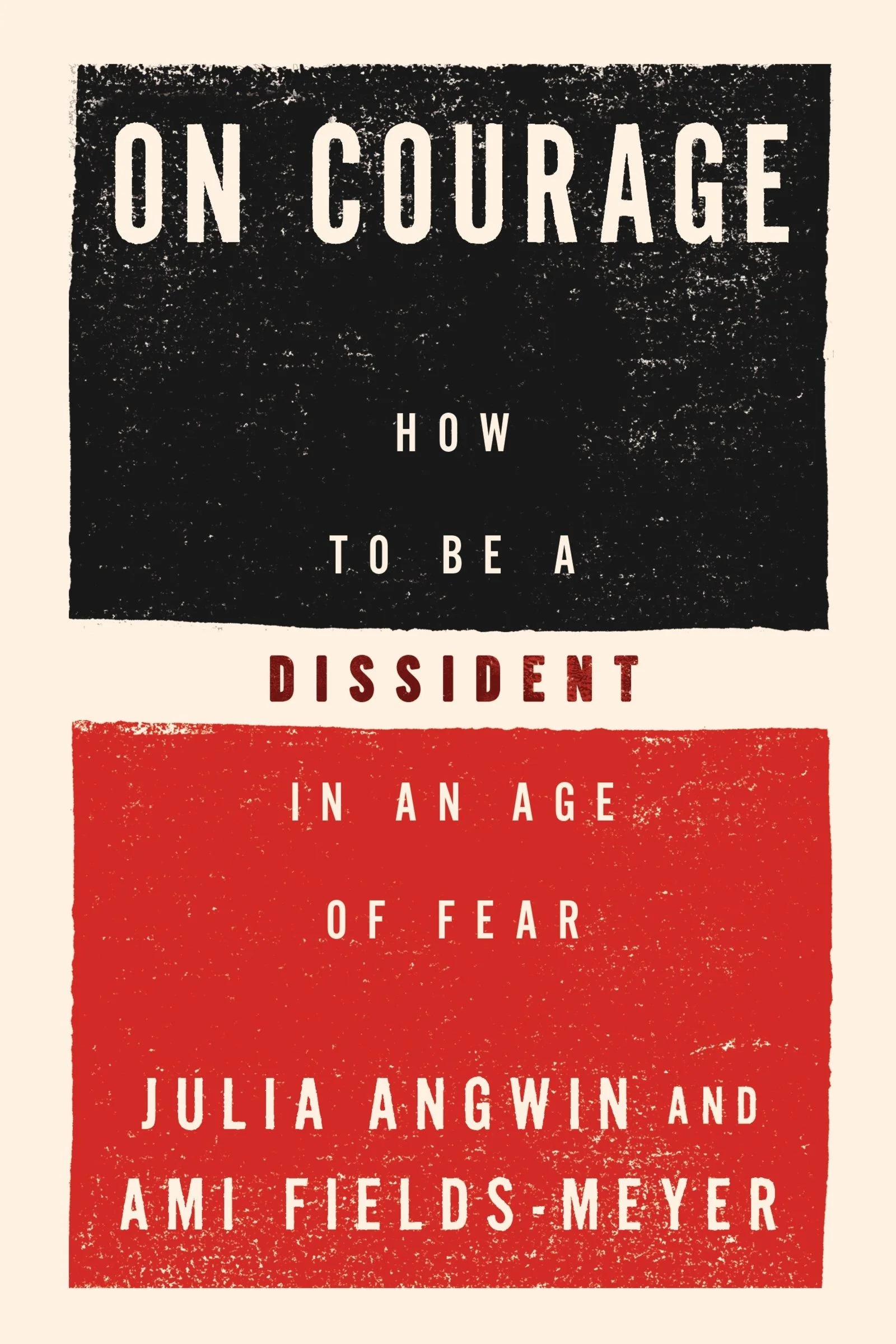
This is a free preview of a paid episode. To hear more, visit michaelfanone.substack.comLet me name the feeling before we get into it. It’s the feeling that this is hopeless. The lawlessness moves too fast. The courts get ignored. Congress rolls over. They come after their enemies and nobody stops them. And underneath it all, the quietest, most dangerous one: that you’re the only one who still cares.That feeling isn’t an accident. It’s the product.An authoritarian movement is strongest when it convinces enough people that fighting back is pointless and that they’re alone in wanting to. There’s a new book out — On Courage: How to Be a Dissident in an Age of Fear — whose authors spent a year talking to more than a hundred dissidents across five continents. People who actually beat leaders with no respect for the law. And what they found cuts straight against the despair.American resistance is stronger than you think. That’s not a slogan. It’s measurable.Here’s the part that should change how you see this. Beating an authoritarian almost never comes down to one perfect protest or one clever strategy. It comes down to what the researchers call collective stubbornness — ordinary people making authoritarian behavior more expensive, throwing enough sand in the gears that the machine sputters and stalls.And there’s a number behind it. A Harvard team studied this across decades and countries, and the finding holds up: when at least three and a half percent of a population joins sustained nonviolent opposition, the movement tends to win. Three and a half percent. In a country this size, that’s a number you can picture. The catch is the word sustained. Showing up once and going home isn’t it. As one activist who helped topple a dictator put it, the big rally isn’t the spark. It’s the victory lap.So what’s the work before the victory lap? The stuff that never makes the highlight reel.It’s Minneapolis, where residents organized to shield their neighbors from ICE raids and helped push the agents out of the city. It’s New Haven, where unions and faith groups pressured the money until an airline dropped its deportation-flight contract. It’s quiet networks getting vulnerable people to safety. None of it is heroic in a Hollywood way. It’s a daily, thankless grind, built on community — somebody deciding the circle of people they’re responsible for just got bigger.One story says it all. After the last election, a woman named Stephanie Campos sat in her New Jersey apartment doom-scrolling and, in her words, just raging. Sound familiar? She signed up with a local group, not knowing what she had to offer. Then a volunteer outside an ICE detention center in Newark came looking for anyone who spoke Spanish. She’s bilingual. The lightbulb went on. This is something I can do.She started by translating between the guard and the families at the gate. Then she was driving families in, walking kids in to see their parents. Now she works her nine-to-five and pulls a second shift on nights and weekends — coordinating drivers, getting diapers and formula and grocery cards to households that just lost the person who paid the bills. When detainees launched a hunger strike over the conditions, the volunteers outside ran vigils so the world heard it. When the government barred visitors, they moved to a church down the road and kept handing out supplies.Here’s the thing: the people running a detention center are more afraid of being seen than being sued. Visibility is pressure. And it works. The detainees haven’t won everything, but politicians are demanding entry and calling for the place to close. ICE released some of the kids and some of the pregnant women. The state attorney general is suing to send health inspectors in. All of it traces back to one anxious person on a couch who decided not to stay there.This is how power actually works. Authoritarians target the smallest groups first, on purpose, because a small group can’t bring down a regime alone. The whole game is whether the people who aren’t yet in the crosshairs stand with the people who are. That’s the hinge. That’s everything.And the calendar makes it urgent. The midterms are coming, and we already know what comes with them — more lies about the results, more attempts to treat the will of the voters as a suggestion. The time to build the muscle that resists that isn’t the morning after. It’s now. And we’re nowhere near ready. The networks, the habits, the relationships, the collective stubbornness — you build those in the boring months so they hold weight when the pressure hits. We’ve got our work cut out for us. But it’s not too late. And we’d better keep one eye on 2028 while we’re at it, or we’re really in trouble.One person in the book said something I can’t shake. Authoritarianism, she said, is really about getting us to do less for each other and still feel okay about it. The antidote is the opposite question. What more can we do for each other?So that’s what I’ll leave you with. Not who to be angry at — you know that already. The question is who your community is. And if you know, it’s time to make it bigger, at exactly the moment they’re betting you’ll make it smaller. That’s not naive. That’s the strategy. It’s beaten people like this before, in real countries with real stakes, and it can do it here.Read the book — On Courage: How to Be a Dissident in an Age of Fear by Ami Fields-Meyer and Julia Angwin. Then find your version of “this is something I can do,” and go do it.🟧 Paid subscribers get 15% off your next merch order🟧 Founding Members get 20% off for lifeYou’ll get the link in your welcome email.GET DISCOUNTS BELOW! ENJOY!
Embed this episode
Ready to play
They Want You to Feel Alone. You're Not.
No transcript for this episode yet
Similar Episodes
No similar episodes found.
Similar Podcasts
No similar podcasts found.