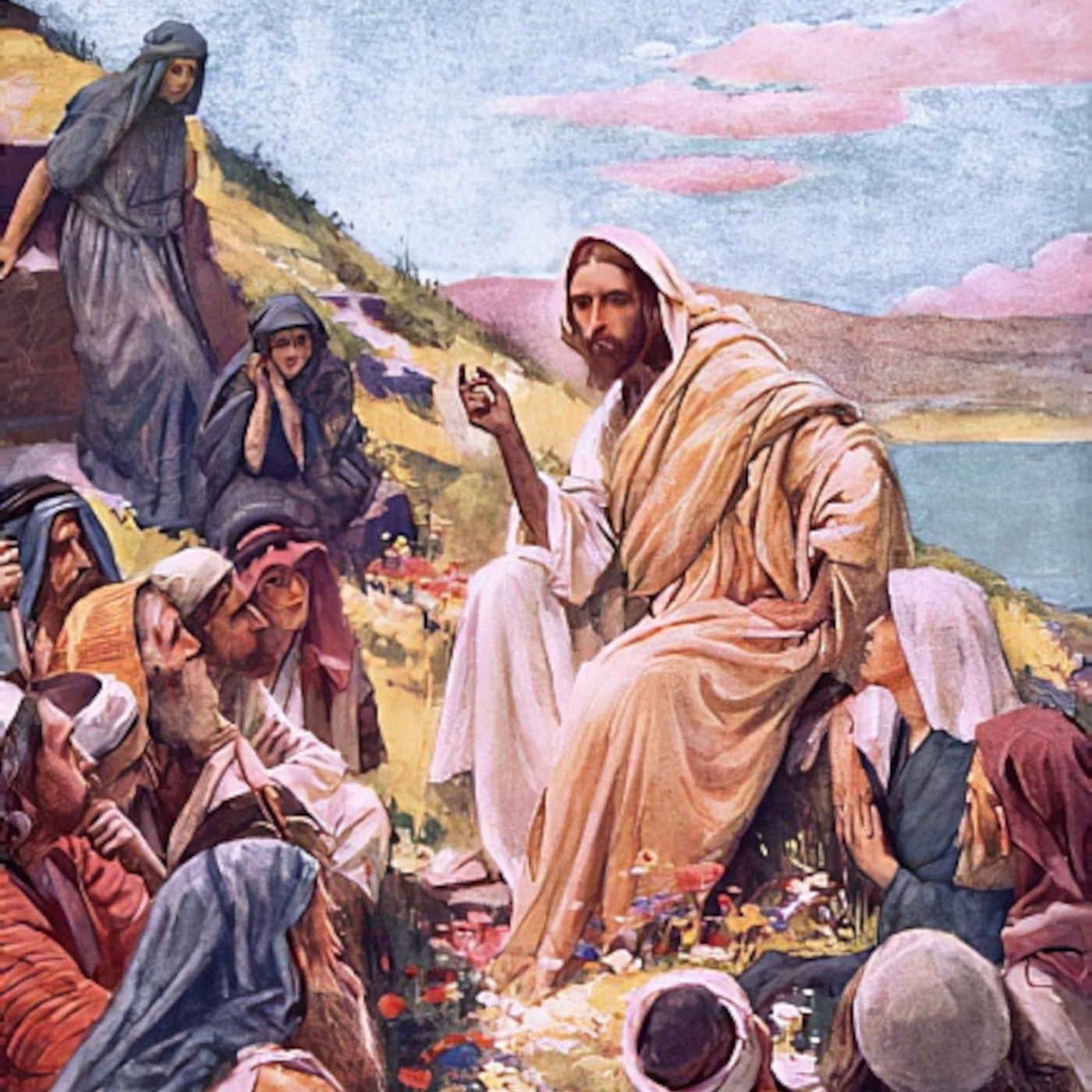
Third Sunday in Ordinary Time (Year A) - God’s Permissive Will episode artwork

EPISODE · Jan 24, 2026 · 6 MIN

Third Sunday in Ordinary Time (Year A) - God’s Permissive Will

from Catholic Daily Reflections · host My Catholic Life!

Read OnlineWhen Jesus heard that John had been arrested, he withdrew to Galilee… From that time on, Jesus began to preach and say, “Repent, for the kingdom of heaven is at hand.” Matthew 4:12, 17When John the Baptist was arrested, his followers were likely overcome with fear and grief. The man they revered as a prophet, who fearlessly proclaimed the coming of the Messiah and called for repentance through baptism, had been imprisoned. John was arrested by Herod Antipas, the son of Herod the Great, infamous for ordering the massacre of infants in Bethlehem. Like his father, Herod Antipas was ambitious and morally corrupt. As tetrarch of Galilee and Perea under Roman authority, Herod’s political survival depended on maintaining Roman favor. He often used religion to secure legitimacy among the Jewish people, though his actions routinely violated Jewish law.Though nominally Jewish, the Herodian dynasty was of Idumean descent, tracing its lineage to Esau rather than Jacob. The Idumeans were forcibly converted to Judaism between 135–104 BC. While this history granted the Herods a claim to Jewish identity, their foreign lineage and collaboration with Rome made them unpopular with many Jews. Herod Antipas, like his father, prioritized political cunning and personal ambition over genuine adherence to Jewish law.When John the Baptist emerged on the scene, he proclaimed his message with fearless conviction. His central call was one of repentance and baptism for the forgiveness of sins, urging the people to prepare for the coming of the Messiah. Yet John did not shy away from addressing the moral and spiritual corruption of his time. He famously denounced the Pharisees and Sadducees as a “brood of vipers,” rebuking their hypocrisy and lack of genuine repentance. John also boldly condemned Herod Antipas for violating Jewish law by divorcing his wife and marrying Herodias, the wife of his half-brother, Philip. This marriage not only violated Mosaic Law but also reflected Herod’s ambitions to consolidate power and status. John’s fearless denunciation of sin, even among the powerful, ultimately led to his arrest and eventual martyrdom.This historical context surrounding John’s arrest is crucial because it helps us understand God’s providence—how He permits certain evils to occur in order to bring about a greater good. Jesus Himself later affirmed John’s greatness, saying, “Among those born of women there has been none greater than John the Baptist” (Matthew 11:11). If the Son of God declared John’s greatness shortly after John’s arrest, why didn’t God miraculously free him from persecution? The answer lies in John’s mission. He had fulfilled his primary role: preparing the way for the Lord, the “Lamb of God, who takes away the sin of the world” (John 1:29). Once John’s mission was complete, God permitted him to seal his testimony with his own blood, offering his life as a martyr for the Lord and for the Truth that sets all people free.Reflect today on John’s arrest and consider how you might have reacted if you had been one of his disciples. From an earthly perspective, martyrdom is difficult to comprehend or accept, especially in our own lives or in the lives of those we love. Though John’s arrest and subsequent martyrdom likely brought fear and grief to his disciples, shaking their sense of security, from an eternal perspective, John’s martyrdom was his greatest act of witness. It fulfilled his mission by pointing his disciples—and all of us—toward the true Prophet and Messiah, Jesus Christ. John is forever glorified in Heaven, and in the end, that is all that truly matters. As we honor John’s unwavering faith, seek to embrace God’s permissive will in your own life. Even in the face of suffering or evil, trust that God, in His providence, can bring about a greater good if we surrender ourselves fully to Him.My provident and loving God, You permit evil to touch the lives of Your faithful followers, knowing that in Your perfect Wisdom, You can bring forth a greater good. Grant me the heart of a martyr, filled with courage and trust, whenever I face injustice in my life. Help me to unite my every trial to Yours, in imitation of Saint John the Baptist and Your own Passion and Death. Jesus, I trust in You.ImageSource: Free RSS feed from catholic-daily-reflections.com — Copyright © 2026 My Catholic Life! Inc. All rights reserved. This content is provided solely for personal, non-commercial use. Redistribution, republication, or commercial use — including use within apps with advertising — is strictly prohibited without written permission.

Read OnlineWhen Jesus heard that John had been arrested, he withdrew to Galilee… From that time on, Jesus began to preach and say, “Repent, for the kingdom of heaven is at hand.” Matthew 4:12, 17When John the Baptist was arrested, his followers were likely overcome with fear and grief. The man they revered as a prophet, who fearlessly proclaimed the coming of the Messiah and called for repentance through baptism, had been imprisoned. John was arrested by Herod Antipas, the son of Herod the Great, infamous for ordering the massacre of infants in Bethlehem. Like his father, Herod Antipas was ambitious and morally corrupt. As tetrarch of Galilee and Perea under Roman authority, Herod’s political survival depended on maintaining Roman favor. He often used religion to secure legitimacy among the Jewish people, though his actions routinely violated Jewish law.Though nominally Jewish, the Herodian dynasty was of Idumean descent, tracing its lineage to Esau rather than Jacob. The Idumeans were forcibly converted to Judaism between 135–104 BC. While this history granted the Herods a claim to Jewish identity, their foreign lineage and collaboration with Rome made them unpopular with many Jews. Herod Antipas, like his father, prioritized political cunning and personal ambition over genuine adherence to Jewish law.When John the Baptist emerged on the scene, he proclaimed his message with fearless conviction. His central call was one of repentance and baptism for the forgiveness of sins, urging the people to prepare for the coming of the Messiah. Yet John did not shy away from addressing the moral and spiritual corruption of his time. He famously denounced the Pharisees and Sadducees as a “brood of vipers,” rebuking their hypocrisy and lack of genuine repentance. John also boldly condemned Herod Antipas for violating Jewish law by divorcing his wife and marrying Herodias, the wife of his half-brother, Philip. This marriage not only violated Mosaic Law but also reflected Herod’s ambitions to consolidate power and status. John’s fearless denunciation of sin, even among the powerful, ultimately led to his arrest and eventual martyrdom.This historical context surrounding John’s arrest is crucial because it helps us understand God’s providence—how He permits certain evils to occur in order to bring about a greater good. Jesus Himself later affirmed John’s greatness, saying, “Among those born of women there has been none greater than John the Baptist” (Matthew 11:11). If the Son of God declared John’s greatness shortly after John’s arrest, why didn’t God miraculously free him from persecution? The answer lies in John’s mission. He had fulfilled his primary role: preparing the way for the Lord, the “Lamb of God, who takes away the sin of the world” (John 1:29). Once John’s mission was complete, God permitted him to seal his testimony with his own blood, offering his life as a martyr for the Lord and for the Truth that sets all people free.Reflect today on John’s arrest and consider how you might have reacted if you had been one of his disciples. From an earthly perspective, martyrdom is difficult to comprehend or accept, especially in our own lives or in the lives of those we love. Though John’s arrest and subsequent martyrdom likely brought fear and grief to his disciples, shaking their sense of security, from an eternal perspective, John’s martyrdom was his greatest act of witness. It fulfilled his mission by pointing his disciples—and all of us—toward the true Prophet and Messiah, Jesus Christ. John is forever glorified in Heaven, and in the end, that is all that truly matters. As we honor John’s unwavering faith, seek to embrace God’s permissive will in your own life. Even in the face of suffering or evil, trust that God, in His providence,...

NOW PLAYING

Third Sunday in Ordinary Time (Year A) - God’s Permissive Will

0:00 6:53

No transcript for this episode yet

We transcribe on demand. Request one and we'll notify you when it's ready — usually under 10 minutes.

Christadelphian Encouragements CE.captivate.fm Christadelphian Encouragements provides sermons, exhortations, bible studies, memorials, and daily readings from around the world. Please visit ChristadelphianEncouragements.Com and our content creators websites for more information and Christian audio content. LE HAWKESBURY SOCIAL ’BACK TO LIFE’ ADAM STACEY Welcome to the ‘Le Hawkesbury Social’, 'Back to Life’ a space where we celebrate life in all its colors: happiness, joy, love, connection, and even the moments of sadness that make us human. A space where we celebrate life in all its colors: happiness, joy, love, connection, and even the moments of sadness that make us human. Hosted by a passionate mental health advocate, this show dives deep into the topics that truly matter to today’s culture and community. Each episode offers honest conversations, thoughtful reflections, and real stories that bring people together. Whether you’re here for mental health discussions, community connections, or just looking to feel seen and heard in a fast-paced world, you’re in the right place. Adam believes in building a diverse and inclusive community where voices from every background can come together, share, and support one another. That’s why every Wellness Podcast, we open the mic to local community partners, support services, and inspiring voi Westenberg Joan Westenberg The Westenberg Podcast offers ideas, explainers, book notes, and reflections on technology, philosophy, and the human experience. Hosted by Joan Westenberg, each episode unpacks complex topics with clarity and depth, blending personal insights with thought-provoking analysis. It’s a space for exploring big questions and fresh perspectives in an accessible format. Gooday Gaming Guests FFF Gaming Emporium These are my Daily Messages in a Bottle sent over the internet Ocean for anyone to find. Listen to a Quick 20-minute Journey into my Life's Passions Work a Few Times a Day. I am 57. I Grew Up on All Gaming and Computing. I am a Seller of Gaming Parts on eBay and Etsy. In the past 8 years, I have learned about every system ever made. I am also an Enthusiast, Collector and Hobbyist of all Vintage Computing from the Very Beginning. In the last Few Years, I have been sharing my knowledge with others on YouTube, TikTok and Now this Pod Cast.See where all the Magic Happens:FFF Gaming Emporium | eBay Storeshttps://www.youtube.com/channel/UCDrdCmDQ52AsCWTWAhE7JEQ/<a target="_blank" rel="noopener noreferrer nofollow" href="https://www

Frequently Asked Questions

How long is this episode of Catholic Daily Reflections?

This episode is 6 minutes long.

When was this Catholic Daily Reflections episode published?

This episode was published on January 24, 2026.

What is this episode about?

Read OnlineWhen Jesus heard that John had been arrested, he withdrew to Galilee… From that time on, Jesus began to preach and say, “Repent, for the kingdom of heaven is at hand.” Matthew 4:12, 17When John the Baptist was arrested, his followers were...

Can I download this Catholic Daily Reflections episode?

Yes, you can download this episode by clicking the download button on the episode player, or subscribe to the podcast in your preferred podcast app for automatic downloads.
URL copied to clipboard!