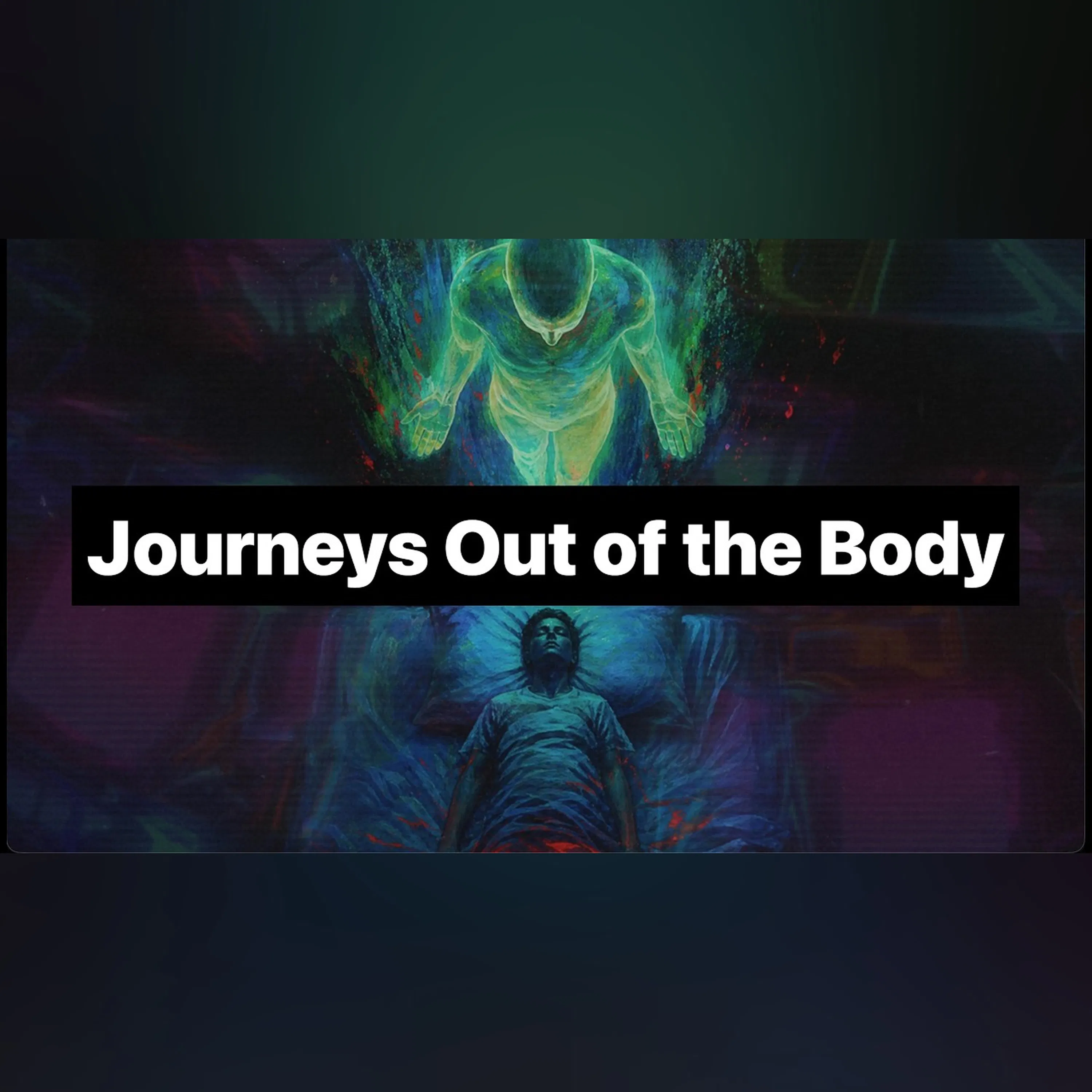
THIS IS HOW YOU DO IT episode artwork

EPISODE · Jun 30, 2026 · 34 MIN

THIS IS HOW YOU DO IT

from artificially aware · host Artificially Aware

In 1971, a radio executive named Robert Monroe published the most detailed civilian manual for leaving your physical body ever put on paper. Five steps. Based on Journeys Out of the Body by Robert A. Monroe (1971). Monroe spent thirteen years reverse-engineering his own spontaneous out-of-body experiences into a repeatable procedure — five distinct steps, each with a specific sensation, a failure mode, and a way to know you're in it. This video walks through the entire manual, plus the controlled laboratory experiment Charles Tart ran on Monroe between 1965 and 1966. CHAPTERS00:00 - Introduction to Robert Monroe03:04 - The 1958 Experience: The Door Opens04:16 - Reverse Engineering the Exit: 13 Years of Data 5:07 - Pre-Procedure Conditions (Fatigue, Temp, No Metal)06:39 - Step 1: Condition A (Mind Awake, Body Asleep)09:12 - Step 2: The Vibrations (The Gateway)11:16 - Inducing the State (The Borderline & The Black Field)12:44 - Step 3: Separation Techniques (Lift Out vs. Roll Out)13:41 - Step 4: Testing Reality (The Finger Through the Floor)14:58 - The Second Body & Experimental Verification17:22 - Step 5: The Wall of Fear21:03 - The 1965 Hospital EEG Laboratory Test23:18 - Tonight's Assignment: Finding Your Anchor #consciousness #astralprojection #outofbody #robertmonroe #psychology #monroeinstitute #bookbreakdownBecome a member of this channel to enjoy benefits:https://www.youtube.com/channel/UCh6gJYYFDueIzAk_Jn6SmZw/join Learn more about your ad choices. Visit megaphone.fm/adchoices

Episode metadata supplied by the publisher feed · Published Jun 30, 2026

In 1971, a radio executive named Robert Monroe published the most detailed civilian manual for leaving your physical body ever put on paper. Five steps. Based on Journeys Out of the Body by Robert A. Monroe (1971). Monroe spent thirteen years reverse-engineering his own spontaneous out-of-body experiences into a repeatable procedure — five distinct steps, each with a specific sensation, a failure mode, and a way to know you're in it. This video walks through the entire manual, plus the controlled laboratory experiment Charles Tart ran on Monroe between 1965 and 1966. CHAPTERS00:00 - Introduction to Robert Monroe03:04 - The 1958 Experience: The Door Opens04:16 - Reverse Engineering the Exit: 13 Years of Data 5:07 - Pre-Procedure Conditions (Fatigue, Temp, No Metal)06:39 - Step 1: Condition A (Mind Awake, Body Asleep)09:12 - Step 2: The Vibrations (The Gateway)11:16 - Inducing the State (The Borderline & The Black Field)12:44 - Step 3: Separation Techniques (Lift Out vs. Roll Out)13:41 - Step 4: Testing Reality (The Finger Through the Floor)14:58 - The Second Body & Experimental Verification17:22 - Step 5: The Wall of Fear21:03 - The 1965 Hospital EEG Laboratory Test23:18 - Tonight's Assignment: Finding Your Anchor #consciousness #astralprojection #outofbody #robertmonroe #psychology #monroeinstitute #bookbreakdownBecome a member of this channel to enjoy benefits:https://www.youtube.com/channel/UCh6gJYYFDueIzAk_Jn6SmZw/join Learn more about your ad choices. Visit megaphone.fm/adchoices

PodParley-generated summary based on available episode metadata and transcript content.

NOW PLAYING

THIS IS HOW YOU DO IT

0:00 34:07

No transcript for this episode yet

We transcribe on demand. Request one and we'll notify you when it's ready — usually under 10 minutes.

Frequently Asked Questions

How long is this episode of artificially aware?

This episode is 34 minutes long.

When was this artificially aware episode published?

This episode was published on June 30, 2026.

What is this episode about?

In 1971, a radio executive named Robert Monroe published the most detailed civilian manual for leaving your physical body ever put on paper. Five steps. Based on Journeys Out of the Body by Robert A. Monroe (1971). Monroe spent thirteen years...

Can I download this artificially aware episode?

Yes, you can download this episode by clicking the download button on the episode player, or subscribe to the podcast in your preferred podcast app for automatic downloads.
URL copied to clipboard!