
EPISODE · Apr 27, 2026 · 9 MIN
“This War Could Break China”: The Hidden Crisis Unfolding Behind the Iran Conflict
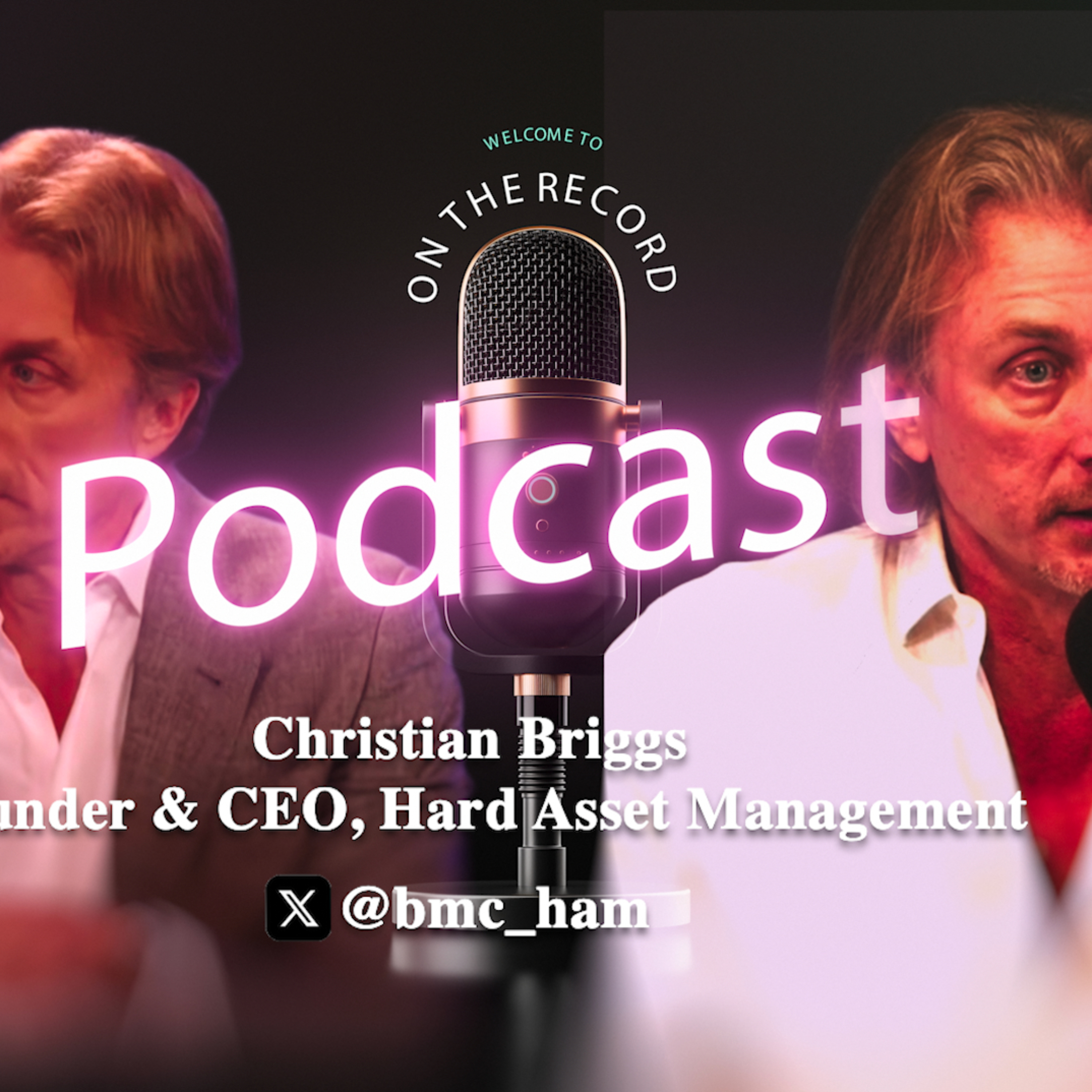
from Hard Asset Money Show · host Christian Briggs
In this cinematic, high-stakes episode of On the Record, Christian Briggs delivers a gripping breakdown of the Iran war—arguing that the real story isn’t Iran at all. It’s China. And what’s happening behind the scenes could reshape the global balance of power.Briggs frames the conflict as a strategic stress test for Beijing, not just a regional military engagement. While most of the world is focused on missiles and diplomacy, he explains that the deeper impact is hitting China’s most critical vulnerability: energy. For decades, China has relied heavily on discounted oil from politically unstable regions like Iran and Venezuela. This wasn’t ideological—it was strategic. By embedding itself into Iran’s infrastructure and energy systems, China secured access to cheap fuel that powered its economic rise. But now, that system is under pressure.The war has introduced a level of uncertainty China cannot control. Shipping routes through key chokepoints like the Strait of Hormuz are becoming unstable, insurance costs are rising, and oil prices are surging—not because supply has vanished, but because risk has exploded. For China, that translates directly into higher production costs, inflation, and economic strain.At the same time, Briggs highlights a critical paradox: while a prolonged conflict could distract the United States and benefit China strategically, the immediate economic risks are far more damaging. China may want the U.S. tied down—but not at the cost of destabilizing global energy flows it depends on.The episode also explores how this conflict disrupts China’s broader ambitions, particularly regarding Taiwan. Stable energy, secure trade routes, and the ability to shift U.S. attention are all key components of China’s long-term strategy—and all three are now under threat.Adding another layer, Briggs points to shifting dynamics with Russia, which could become less dependent on China as energy markets evolve. This weakens Beijing’s leverage and further complicates its position.Beyond geopolitics, the podcast dives into systemic consequences: disrupted shipping lanes, strained supply chains, collapsing tourism in key regions, and mounting pressure across global trade networks. Even alternative financial systems—like gold transfers and crypto channels—are being affected.The conclusion is stark: this war is not just about territory or ideology. It’s about control, resources, and global influence. And right now, China is facing rising costs, shrinking leverage, and a narrowing window to maintain its position.What looks like a regional conflict may actually be the beginning of a much larger global shift.
Embed this episode
NOW PLAYING
“This War Could Break China”: The Hidden Crisis Unfolding Behind the Iran Conflict
No transcript for this episode yet
Similar Episodes
No similar episodes found.
Similar Podcasts
No similar podcasts found.