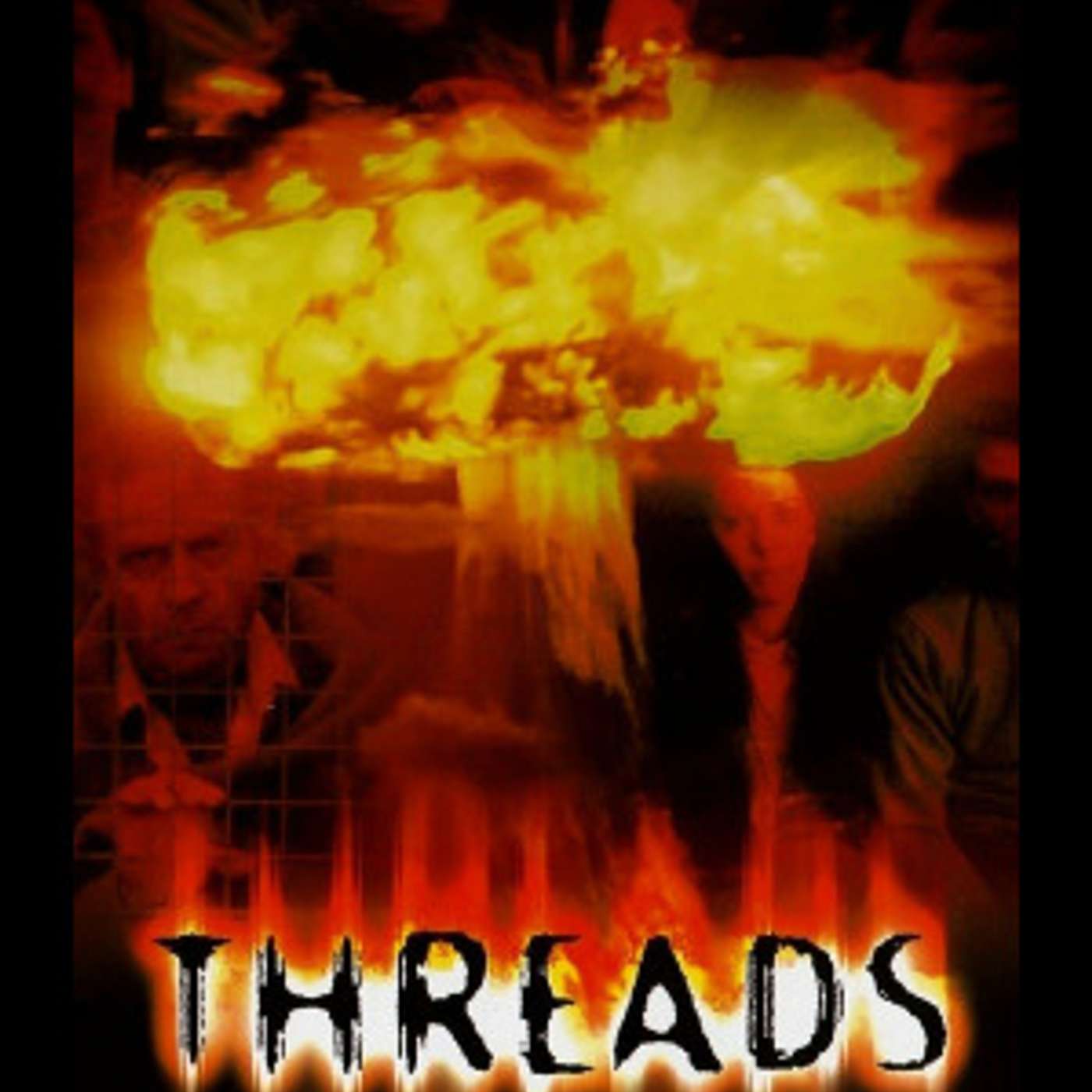
Threads
from Philosophy at the Movies Hosted by Stockdale Center - Shaun Baker, PhD.
This 1984 BBC television film, set in England during and after a major global nuclear war, asks us to consider the likelihood of a near total breakdown of governance, public order, morality and civilization in such a circumstance. How does the film portray the social impact of an extended nuclear winter? How and why does the film portray the breakdown by having the second-generation characters speaking a degraded, almost childish form of the English language? The bleak nature of the film was deeply shocking to British audiences of the time. How does it reflect Cold War realities of the 1980s? How does it compare to the prospects of nuclear war in the present day? How does the film’s depiction of social breakdown compare to historical episodes of such large-scale warfare involving civilian populations, such as the Blitz and Allied bombing of Germany and Japan at the end of WWII? Why did those populations not dissolve into a Hobbesian ‘war of all against all’ when under this extreme emergency? Is the film too alarmist in portraying an utter breakdown of compassion and morality? Does that alarmism serve a purpose? How does the film contrast with points made by Sebastian Junger, in his book Tribes, regarding how human populations band together in times of extreme duress?
Embed this episode
No transcript yet.