
EPISODE · Mar 1, 2024 · 4 MIN
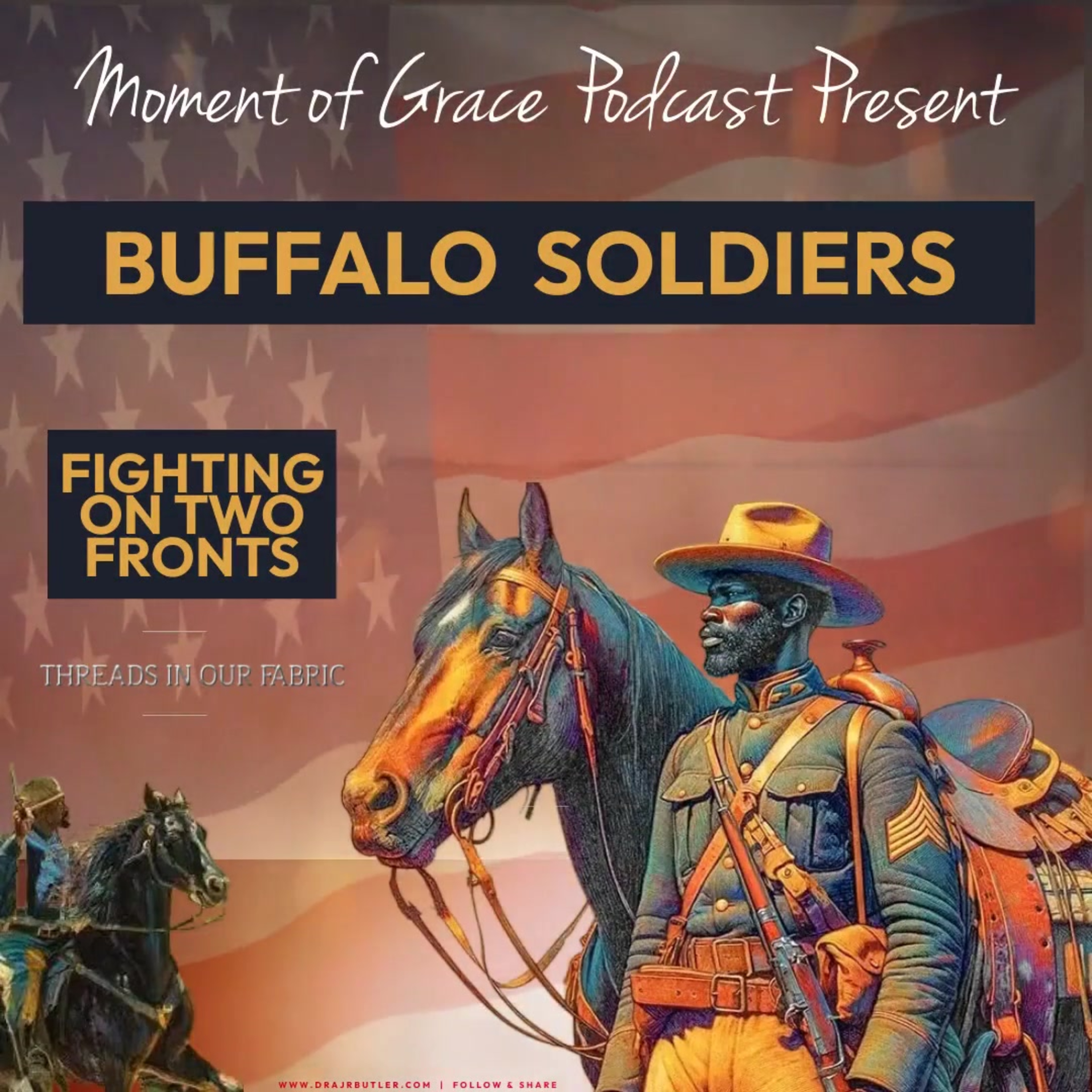
Threads In our Fabric: Buffalo Soldier
from Moments of Grace Podcast · host Dr. A. Jerome R. Butler
The Buffalo Soldiers were United States Army regiments that primarily comprised African Americans, formed during the 19th century to serve on the American frontier. In 1866, through an act of Congress, legislation was adopted to create six all African-American Army units. On September 21, 1866, the 10th Cavalry Regiment was formed at Fort Leavenworth, Kansas. The nickname "Buffalo Soldiers" was purportedly given to the regiment by Native Americans who fought against them in the American Indian Wars, and the term eventually became synonymous with all of the African American U.S. Army regiments established in 1866, including the 9th Cavalry Regiment, 10th Cavalry Regiment, 24th Infantry Regiment, 25th Infantry Regiment and 38th Infantry Regiment. The recruits came from varied backgrounds including former slaves and veterans from service in the Civil War. During the Civil War, the U.S. government formed regiments known as the United States Colored Troops, composed of black soldiers and Native Americans. The USCT was disbanded in the fall of 1865. In 1867 the Regular Army was set at ten regiments of cavalry and 45 regiments of infantry. The Army was authorized to raise two regiments of black cavalry (the 9th and 10th (Colored) Cavalry) and four regiments of black infantry (the 38th, 39th, 40th, and 41st (Colored) Infantry), who were mostly drawn from USCT veterans. The first draft of the bill that the House Committee on Military Affairs sent to the full chamber on March 7, 1866, did not include a provision for regiments of black cavalry, however, this provision was added by Senator Benjamin Wade prior to the bill's passing on July 28, 1866. During the late 1800s and early 1900s, the Buffalo Soldiers were assigned to the harshest and most desolate posts. Specific duties included subduing Mexican revolutionaries, outlaws, rustlers and warring Native Americans. Additional administrative duties included exploring and mapping the Southwest and establishing outposts for future towns. During the Indian Wars from 1866 to 1891, 416 soldiers were awarded the Medal of Honor. Although the Buffalo Soldiers were 12% of the U.S. Army infantry force and 20% of the cavalry force in this era, Buffalo Soldiers were awarded less than 4% of all Medals of Honor awarded. Other regiments during the era received a greater number of Medals of Honor but were not distinguished enough to see duty in Cuba for the Spanish–American War. For example, the 8th Cavalry Regiment with 84 Medals of Honor, were not assigned duty to fight in Cuba in 1898. Scholars have hypothesized that commanders were reticent to award behavior that they expected from soldiers, the bureaucracy impeded awards, and the posting of black soldiers to remote outposts reduced the visibility of black soldiers (the 1st Cavalry participated in twenty-one campaigns and the 2nd cavalry participated in nineteen campaigns during this era, compared to the 9th Cavalry's eight campaigns). Historian Thomas Philips counted 2,704 engagements with native tribes during this era, of which the four black regiments participated in 141 or about 4%. Despite the barriers imposed by the social climate of their day, the Buffalo Soldiers performed with grace and dignity in every conflict. Their resilience embodies the uncanny determination to overcome any opticals dispatched on the battlefield or from the nation they fought for. We honor the American spirit and true patriotism of the Buffalo Soldiers, who are threads in the spirit of freedom in the fabric of America.
What this episode covers
The Buffalo Soldiers were United States Army regiments that primarily comprised African Americans, formed during the 19th century to serve on the American frontier. In 1866, through an act of Congress, legislation was adopted to create six all African-American Army units. On September 21, 1866, the 10th Cavalry Regiment was formed at Fort Leavenworth, Kansas. The nickname "Buffalo Soldiers" was purportedly given to the regiment by Native Americans who fought against them in the American Indian Wars, and the term eventually became synonymous with all of the African American U.S. Army regiments established in 1866, including the 9th Cavalry Regiment, 10th Cavalry Regiment, 24th Infantry Regiment, 25th Infantry Regiment and 38th Infantry Regiment. The recruits came from varied backgrounds including former slaves and veterans from service in the Civil War. During the Civil War, the U.S. government formed regiments known as the United States Colored Troops, composed of black soldiers and Native Americans. The USCT was disbanded in the fall of 1865. In 1867 the Regular Army was set at ten regiments of cavalry and 45 regiments of infantry. The Army was authorized to raise two regiments of black cavalry (the 9th and 10th (Colored) Cavalry) and four regiments of black infantry (the 38th, 39th, 40th, and 41st (Colored) Infantry), who were mostly drawn from USCT veterans. The first draft of the bill that the House Committee on Military Affairs sent to the full chamber on March 7, 1866, did not include a provision for regiments of black cavalry, however, this provision was added by Senator Benjamin Wade prior to the bill's passing on July 28, 1866. During the late 1800s and early 1900s, the Buffalo Soldiers were assigned to the harshest and most desolate posts. Specific duties included subduing Mexican revolutionaries, outlaws, rustlers and warring Native Americans. Additional administrative duties included exploring and mapping the Southwest and establishing outposts for future towns. During the Indian Wars from 1866 to 1891, 416 soldiers were awarded the Medal of Honor. Although the Buffalo Soldiers were 12% of the U.S. Army infantry force and 20% of the cavalry force in this era, Buffalo Soldiers were awarded less than 4% of all Medals of Honor awarded. Other regiments during the era received a greater number of Medals of Honor but were not distinguished enough to see duty in Cuba for the Spanish–American War. For example, the 8th Cavalry Regiment with 84 Medals of Honor, were not assigned duty to fight in Cuba in 1898. Scholars have hypothesized that commanders were reticent to award behavior that they expected from soldiers, the bureaucracy impeded awards, and the posting of black soldiers to remote outposts reduced the visibility of black soldiers (the 1st Cavalry participated in twenty-one campaigns and the 2nd cavalry participated in nineteen campaigns during this era, compared to the 9th Cavalry's eight campaigns). Historian Thomas Philips counted 2,704 engagements with native tribes during this era, of which the four black regiments participated in 141 or about 4%. Despite the barriers imposed by the social climate of their day, the Buffalo Soldiers performed with grace and dignity in every conflict. Their resilience embodies the uncanny determination to overcome any opticals dispatched on the battlefield or from the nation they fought for. We honor the American spirit and true patriotism of the Buffalo Soldiers, who are threads in the spirit of freedom in the fabric of America.
NOW PLAYING
Threads In our Fabric: Buffalo Soldier
No transcript for this episode yet
Similar Episodes
Mar 26, 2026 ·1m
Mar 19, 2026 ·34m
Feb 18, 2026 ·11m
Feb 11, 2026 ·45m