
EPISODE · Mar 1, 2025 · 23 MIN
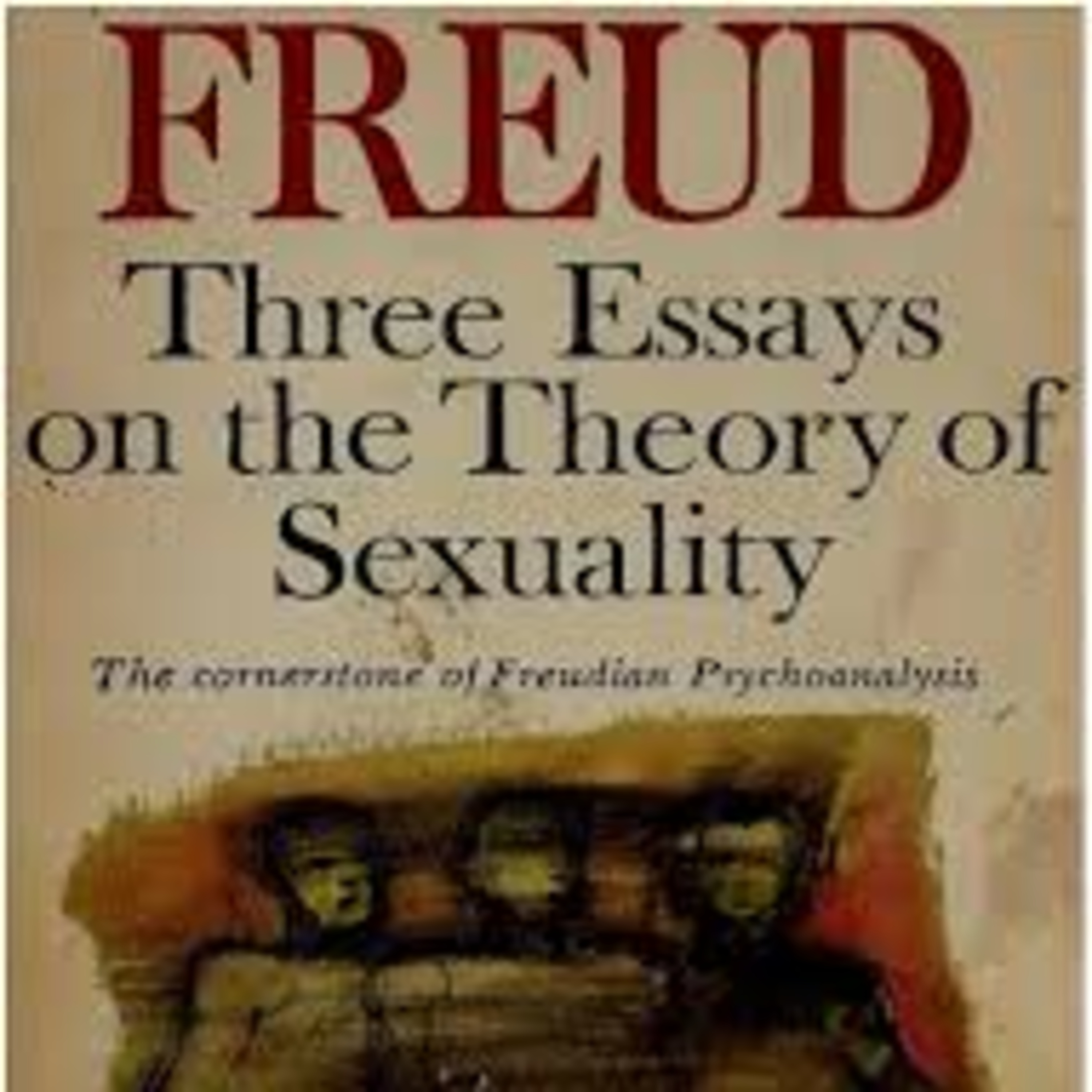
Three Essays on the Theory of Sexuality | Sigmund Freud
from Bookcast · host John Castle
Sigmund Freud's "Three Essays on the Theory of Sexuality," translated by A. A. Brill and published by Global Grey in 2021 [1]. The original essays were first published in 1905, with Brill's translation appearing in 1920 [1].Here's a breakdown of the source's contents and significance:Overview: The "Three Essays" are considered a crucial work by Freud, exploring the role of the sexual instinct in human life and character development [2].Key Topics:Sexual aberrations [2, 3].Infantile sexuality [2, 4].The transformations of puberty [2, 5].Psychoanalytic Method: The essays are rooted in Freud's psychoanalytic investigations and emphasize the importance of understanding the unconscious and the impact of early childhood experiences on adult sexuality and neuroses [6-9].Civilization and Sublimation: The text puts forth the idea that civilization progresses through the sublimation of infantile instincts, particularly sexual instincts, into other pursuits like art and poetry [10].Bisexuality: The essays discuss the concept of bisexuality as a predisposition in individuals, influencing both normal and inverted sexual development [11, 12].Perversions: The source examines various sexual perversions, their relationship to normal sexual behavior, and their manifestation in psychoneuroses [13, 14].Erogenous Zones: It explores the role of erogenous zones in generating sexual excitement and their connection to various impulses [15].Libido Theory: The text introduces the concept of libido as a measurable force behind sexual excitement and its distribution [16]. It also differentiates between ego-libido and object-libido [17, 18].Object-Finding: Freud describes object-finding as a process that starts in infancy with the mother's breast and is later re-established in puberty [19].Disturbances in Development: The essays consider factors that disrupt sexual development, including congenital variations, accidental experiences, and the impact of seduction [20, 21].Importance of Infantile Sexuality: Freud emphasizes that the foundations for adult sexuality are laid in infancy and childhood, influencing later sexual behavior and potential neuroses [4, 22]. He also notes the common error of dismissing the existence of a sexual impulse in childhood [4].Sexuality and Neuroses: The source states that psychoneuroses are rooted in sexual motive powers, with symptoms acting as expressions of repressed sexual desires [23, 24].Limitations: Freud acknowledges gaps and obscurities in the work, and recognizes the need for further investigation [25, 26].Additionally, the "Introduction To Translation" emphasizes that Freud's publications supplement each other and should be read together [27]. It also notes the unpopularity of the subject matter and expresses hope that the translation will contribute to a broader understanding of Freud's work [28]. The "Author's Preface To The Second Edition" expresses hope for the book to become outdated with universal acceptance of its material and for shortcomings to give way to juster views [25]. In the "Author's Preface To The Third Edition" Freud explains that the book is derived from medical experience and psychoanalytic investigation, not to be developed into a "theory of sex" [6]. Hosted on Acast. See acast.com/privacy for more information.
Embed this episode
Ready to play
Three Essays on the Theory of Sexuality | Sigmund Freud
No transcript for this episode yet
Similar Episodes
No similar episodes found.