Thursday of the Eighth Week in Ordinary Time - Undeterred in Faith and Prayer episode artwork

EPISODE · May 27, 2026 · 7 MIN

Thursday of the Eighth Week in Ordinary Time - Undeterred in Faith and Prayer

from Catholic Daily Reflections · host My Catholic Life!

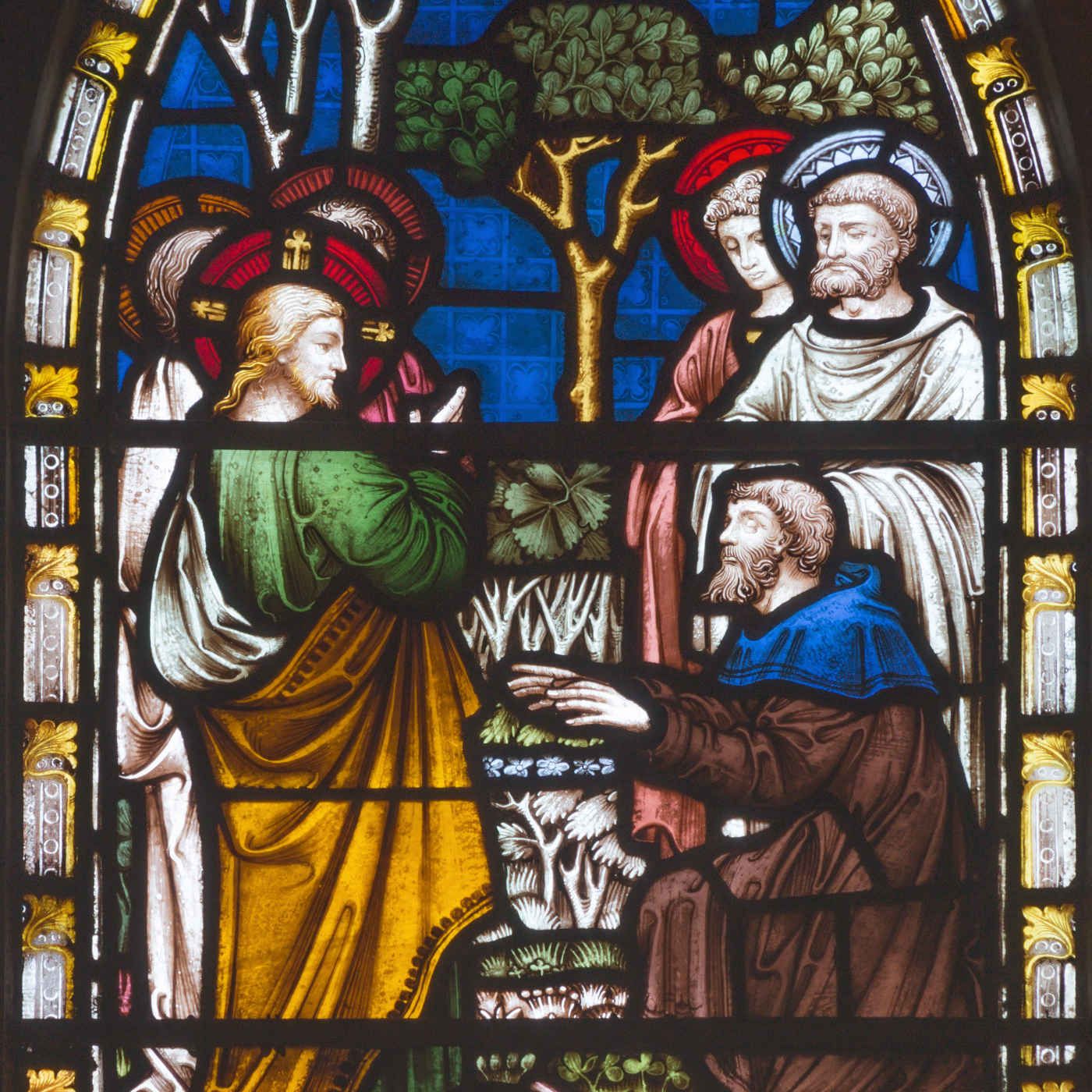
Read OnlineAs Jesus was leaving Jericho with his disciples and a sizable crowd, Bartimaeus, a blind man, the son of Timaeus, sat by the roadside begging. On hearing that it was Jesus of Nazareth, he began to cry out and say, “Jesus, son of David, have pity on me.” And many rebuked him, telling him to be silent. But he kept calling out all the more, “Son of David, have pity on me.” Mark 10:46–48Though the Torah commanded kindness and justice toward the blind, they were often treated poorly by the wider community. Unable to work or provide for themselves, the blind were typically reduced to begging. They also bore the stigma of being seen as suffering God’s judgment, whether for their own sins or the sins of their parents. While today’s story about Bartimaeus vividly illustrates the pitiful social and economic position of the blind at that time, it even more powerfully presents him as an ideal model to imitate.First, we should humbly see ourselves in Bartimaeus. On a spiritual level, we are all blind and in need of God’s mercy. Like Bartimaeus, we must identify as people who are poor, ostracized, and incapable of seeing all that God wants to reveal to us. Pride gives us a false sense of who we are and blinds us to the truth of our spiritual poverty. Humility, on the other hand, opens the eyes of faith, enabling us to recognize our need for God’s mercy and His healing grace so that we may see and understand life as He wishes to reveal it.Bartimaeus is not only a model of the humility we need; he is also a model of faith and prayer. In his humility, as soon as he heard that Jesus of Nazareth was passing by, he cried out in a twofold way. First, he called Jesus the “Son of David.” This was a profession of faith in Jesus as the Messiah. “Son of David” was a messianic title rooted in Nathan’s prophecy, in which God promised King David that his descendant would establish an everlasting kingdom (cf. 2 Samuel 7:12–16). By calling Jesus the “Son of David,” Bartimaeus professed his belief that Jesus was the fulfillment of that prophecy.With his profession of faith, Bartimaeus also prayed the ideal prayer: “Have pity on me.” The word “pity” is a translation of the Greek eleison, which is also rendered as “have mercy.” For example, at Mass, we pray in Greek, “Kyrie eleison,” or “Lord, have mercy.” This prayer is ideal because every gift from God is an act of mercy. We do not earn or deserve His grace; it is a freely bestowed gift, and our prayer should reflect this profound truth.As Bartimaeus prayed, many people told him to be silent. Despite their rebukes, Bartimaeus intensified his prayer, “calling out all the more.” This persistence serves as another model for the ideals of prayer. The “many” who rebuked him and tried to silence him symbolize the numerous obstacles we face in our pursuit of God’s mercy.Though the greatest obstacles we face are our own sins, which discourage us from approaching God in prayer, we also encounter challenges in the form of temptations. These temptations, like the “many” who sought to silence Bartimaeus, try to lead us away from prayer. They urge us to give up, doubt God’s care for us, or remain complacent in our spiritual lives. Bartimaeus’ response—to pray even louder and more fervently—teaches us the importance of perseverance in prayer, even in the face of discouragement or opposition.Reflect today on this poor blind man, Bartimaeus, sitting on the roadside. With him, profess your faith in Jesus as the Messiah and cry out for mercy. When sin hinders you, have the courage to admit it, confess it, and plead for forgiveness. When temptations try to silence you, resist them and cry out all the louder. In the end, Jesus called Bartimaeus to Himself and healed him. Jesus desires to do the same for us. He will, if we humbly identify with Bartimaeus, see ourselves in his condition, and imitate his unwavering faith and persistent prayer.Jesus, Son of David, have mercy on me! With Bartimaeus, I profess my belief in You as the Messiah, the Savior of the world. With him, I also plead for Your mercy in my life and in the world around me. You alone are the source of all grace and mercy, and though I am unworthy, You freely bestow it upon the humble. Lord, I want to see. Open the eyes of my heart and grant me the reward of Your mercy. Jesus, I trust in You.Image via Adobe StockSource: Free RSS feed from catholic-daily-reflections.com — Copyright © 2026 My Catholic Life! Inc. All rights reserved. This content is provided solely for personal, non-commercial use. Redistribution, republication, or commercial use — including use within apps with advertising — is strictly prohibited without written permission.

Read OnlineAs Jesus was leaving Jericho with his disciples and a sizable crowd, Bartimaeus, a blind man, the son of Timaeus, sat by the roadside begging. On hearing that it was Jesus of Nazareth, he began to cry out and say, “Jesus, son of David, have pity on me.” And many rebuked him, telling him to be silent. But he kept calling out all the more, “Son of David, have pity on me.” Mark 10:46–48Though the Torah commanded kindness and justice toward the blind, they were often treated poorly by the wider community. Unable to work or provide for themselves, the blind were typically reduced to begging. They also bore the stigma of being seen as suffering God’s judgment, whether for their own sins or the sins of their parents. While today’s story about Bartimaeus vividly illustrates the pitiful social and economic position of the blind at that time, it even more powerfully presents him as an ideal model to imitate.First, we should humbly see ourselves in Bartimaeus. On a spiritual level, we are all blind and in need of God’s mercy. Like Bartimaeus, we must identify as people who are poor, ostracized, and incapable of seeing all that God wants to reveal to us. Pride gives us a false sense of who we are and blinds us to the truth of our spiritual poverty. Humility, on the other hand, opens the eyes of faith, enabling us to recognize our need for God’s mercy and His healing grace so that we may see and understand life as He wishes to reveal it.Bartimaeus is not only a model of the humility we need; he is also a model of faith and prayer. In his humility, as soon as he heard that Jesus of Nazareth was passing by, he cried out in a twofold way. First, he called Jesus the “Son of David.” This was a profession of faith in Jesus as the Messiah. “Son of David” was a messianic title rooted in Nathan’s prophecy, in which God promised King David that his descendant would establish an everlasting kingdom (cf. 2 Samuel 7:12–16). By calling Jesus the “Son of David,” Bartimaeus professed his belief that Jesus was the fulfillment of that prophecy.With his profession of faith, Bartimaeus also prayed the ideal prayer: “Have pity on me.” The word “pity” is a translation of the Greek eleison, which is also rendered as “have mercy.” For example, at Mass, we pray in Greek, “Kyrie eleison,” or “Lord, have mercy.” This prayer is ideal because every gift from God is an act of mercy. We do not earn or deserve His grace; it is a freely bestowed gift, and our prayer should reflect this profound truth.As Bartimaeus prayed, many people told him to be silent. Despite their rebukes, Bartimaeus intensified his prayer, “calling out all the more.” This persistence serves as another model for the ideals of prayer. The “many” who rebuked him and tried to silence him symbolize the numerous obstacles we face in our pursuit of God’s mercy.Though the greatest obstacles we face are our own sins, which discourage us from approaching God in prayer, we also encounter challenges in the form of temptations. These temptations, like the “many” who sought to silence Bartimaeus, try to lead us away from prayer. They urge us to give up, doubt God’s care for us, or remain complacent in our spiritual lives. Bartimaeus’ response—to pray even louder and more fervently—teaches us the importance of perseverance in prayer, even in the face of discouragement or opposition.Reflect today on this poor blind man, Bartimaeus, sitting on the roadside. With him, profess your faith in Jesus as the Messiah and cry out for mercy. When sin hinders you, have the courage to admit it, confess it, and plead for forgiveness. When temptations try to silence you, resist them and cry out all the louder. In the end, Jesus called Bartimaeus to Himself and healed...

NOW PLAYING

Thursday of the Eighth Week in Ordinary Time - Undeterred in Faith and Prayer

0:00 7:27

No transcript for this episode yet

We transcribe on demand. Request one and we'll notify you when it's ready — usually under 10 minutes.

Christadelphian Encouragements CE.captivate.fm Christadelphian Encouragements provides sermons, exhortations, bible studies, memorials, and daily readings from around the world. Please visit ChristadelphianEncouragements.Com and our content creators websites for more information and Christian audio content. LE HAWKESBURY SOCIAL ’BACK TO LIFE’ ADAM STACEY Welcome to the ‘Le Hawkesbury Social’, 'Back to Life’ a space where we celebrate life in all its colors: happiness, joy, love, connection, and even the moments of sadness that make us human. A space where we celebrate life in all its colors: happiness, joy, love, connection, and even the moments of sadness that make us human. Hosted by a passionate mental health advocate, this show dives deep into the topics that truly matter to today’s culture and community. Each episode offers honest conversations, thoughtful reflections, and real stories that bring people together. Whether you’re here for mental health discussions, community connections, or just looking to feel seen and heard in a fast-paced world, you’re in the right place. Adam believes in building a diverse and inclusive community where voices from every background can come together, share, and support one another. That’s why every Wellness Podcast, we open the mic to local community partners, support services, and inspiring voi Westenberg Joan Westenberg The Westenberg Podcast offers ideas, explainers, book notes, and reflections on technology, philosophy, and the human experience. Hosted by Joan Westenberg, each episode unpacks complex topics with clarity and depth, blending personal insights with thought-provoking analysis. It’s a space for exploring big questions and fresh perspectives in an accessible format. Gooday Gaming Guests FFF Gaming Emporium These are my Daily Messages in a Bottle sent over the internet Ocean for anyone to find. Listen to a Quick 20-minute Journey into my Life's Passions Work a Few Times a Day. I am 57. I Grew Up on All Gaming and Computing. I am a Seller of Gaming Parts on eBay and Etsy. In the past 8 years, I have learned about every system ever made. I am also an Enthusiast, Collector and Hobbyist of all Vintage Computing from the Very Beginning. In the last Few Years, I have been sharing my knowledge with others on YouTube, TikTok and Now this Pod Cast.See where all the Magic Happens:FFF Gaming Emporium | eBay Storeshttps://www.youtube.com/channel/UCDrdCmDQ52AsCWTWAhE7JEQ/<a target="_blank" rel="noopener noreferrer nofollow" href="https://www

Frequently Asked Questions

How long is this episode of Catholic Daily Reflections?

This episode is 7 minutes long.

When was this Catholic Daily Reflections episode published?

This episode was published on May 27, 2026.

What is this episode about?

Read OnlineAs Jesus was leaving Jericho with his disciples and a sizable crowd, Bartimaeus, a blind man, the son of Timaeus, sat by the roadside begging. On hearing that it was Jesus of Nazareth, he began to cry out and say, “Jesus, son of David,...

Can I download this Catholic Daily Reflections episode?

Yes, you can download this episode by clicking the download button on the episode player, or subscribe to the podcast in your preferred podcast app for automatic downloads.
URL copied to clipboard!