
EPISODE · Oct 3, 2025 · 15 MIN
TMS Beyond Depression: Treating Anxiety, Insomnia & PTSD
from The KIND Revolution · host Kind Health Group
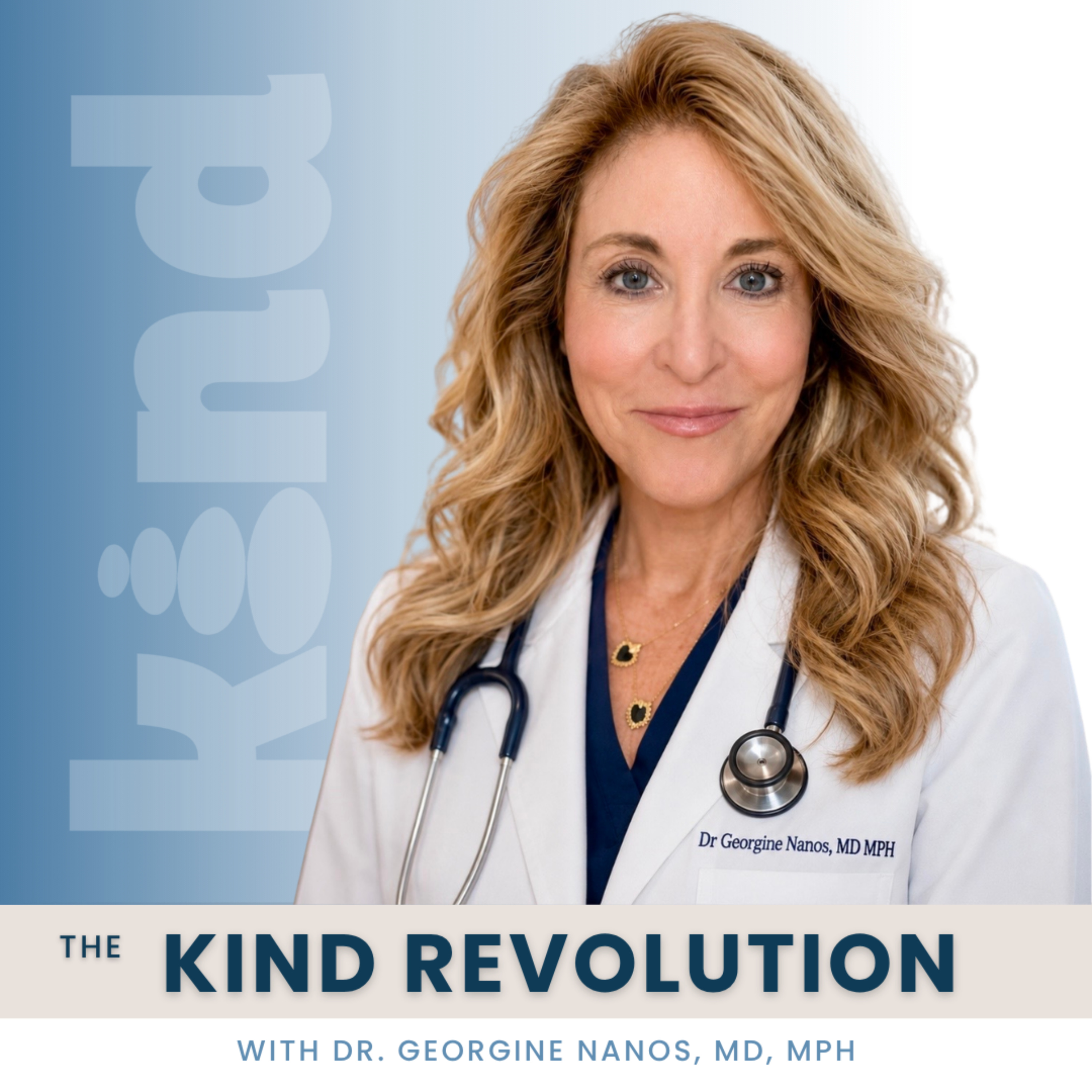
In this groundbreaking episode of The Kind Revolution Podcast, host Nate and Dr. Georgine Nanos explore how TMS (Transcranial Magnetic Stimulation) has evolved far beyond depression treatment to address anxiety disorders, chronic insomnia, and PTSD. Dr. Nanos explains the neuroscience behind TMS's effectiveness across multiple conditions, revealing how it strengthens the brain's regulatory networks rather than sedating symptoms. The discussion highlights KIND TMS's pioneering One-Day Protocol - compressing traditional six-week treatment into a single day - making this transformative therapy accessible to people who couldn't commit to daily clinic visits. With compelling patient stories and detailed explanations of brain circuitry, this episode demonstrates how TMS restores resilience by recalibrating the prefrontal cortex's control over emotional responses, sleep-wake cycles, and trauma processing.Time Stamps00:00 Introduction: TMS Beyond Depression03:15 The Barrier of Traditional TMS and One-Day Protocol Innovation08:30 Why Anxiety Belongs in the TMS Conversation15:45 Patient Story: ICU Nurse Finds Relief from Panic18:20 Insomnia: When the Brain Won't Switch Off25:40 Sleep Neurocircuitry: DLPFC, Thalamus, and Arousal Systems32:15 Patient Stories: Attorney and Navy Veteran Sleep Again38:50 PTSD: Rewiring the Trauma Response45:30 Patient Story: Veteran Reclaims Life After 15 Years50:20 The Future of TMS: Expanding Access and Applications55:00 Closing: Building Resilience, Not Just Treating SymptomsDepression treatment was just the beginning. In this episode, discover how TMS (Transcranial Magnetic Stimulation) is revolutionizing care for anxiety disorders affecting 40 million Americans annually, chronic insomnia that raises dementia risk, and PTSD that keeps veterans and trauma survivors trapped in hypervigilance.Dr. Georgine Nanos reveals the neuroscience behind why TMS works across multiple conditions: by strengthening the prefrontal cortex's regulatory control over deeper brain structures like the amygdala and thalamus. Unlike medications that sedate or suppress, TMS enhances the brain's natural capacity for emotional regulation, sleep-wake balance, and trauma processing.Learn about the groundbreaking One-Day TMS Protocol that KIND TMS pioneered - compressing six weeks of treatment into a single transformative day. With over 75% anxiety remission rates, restored natural sleep architecture, and PTSD patients reclaiming their lives, this episode demonstrates that better mental health treatment isn't just possible - it's here.Featured patient transformations include:ICU nurse who overcame crushing pre-shift panic attacksHigh-powered attorney who finally trusted her brain to sleepNavy veteran who stopped scanning exits for the first time in yearsDomestic violence survivor who reclaimed her body from trauma's shadowIf you've struggled with anxiety medications' side effects, sleep pills' dependency risks, or limited PTSD treatment options, this episode offers hope grounded in cutting-edge neuroscience and real patient outcomes.If you're experiencing mental health crisis, call 988 Suicide & Crisis Lifeline. This content is educational and not a substitute for professional mental health care.
Embed this episode
NOW PLAYING
TMS Beyond Depression: Treating Anxiety, Insomnia & PTSD
No transcript for this episode yet
Similar Episodes
No similar episodes found.
Similar Podcasts
No similar podcasts found.