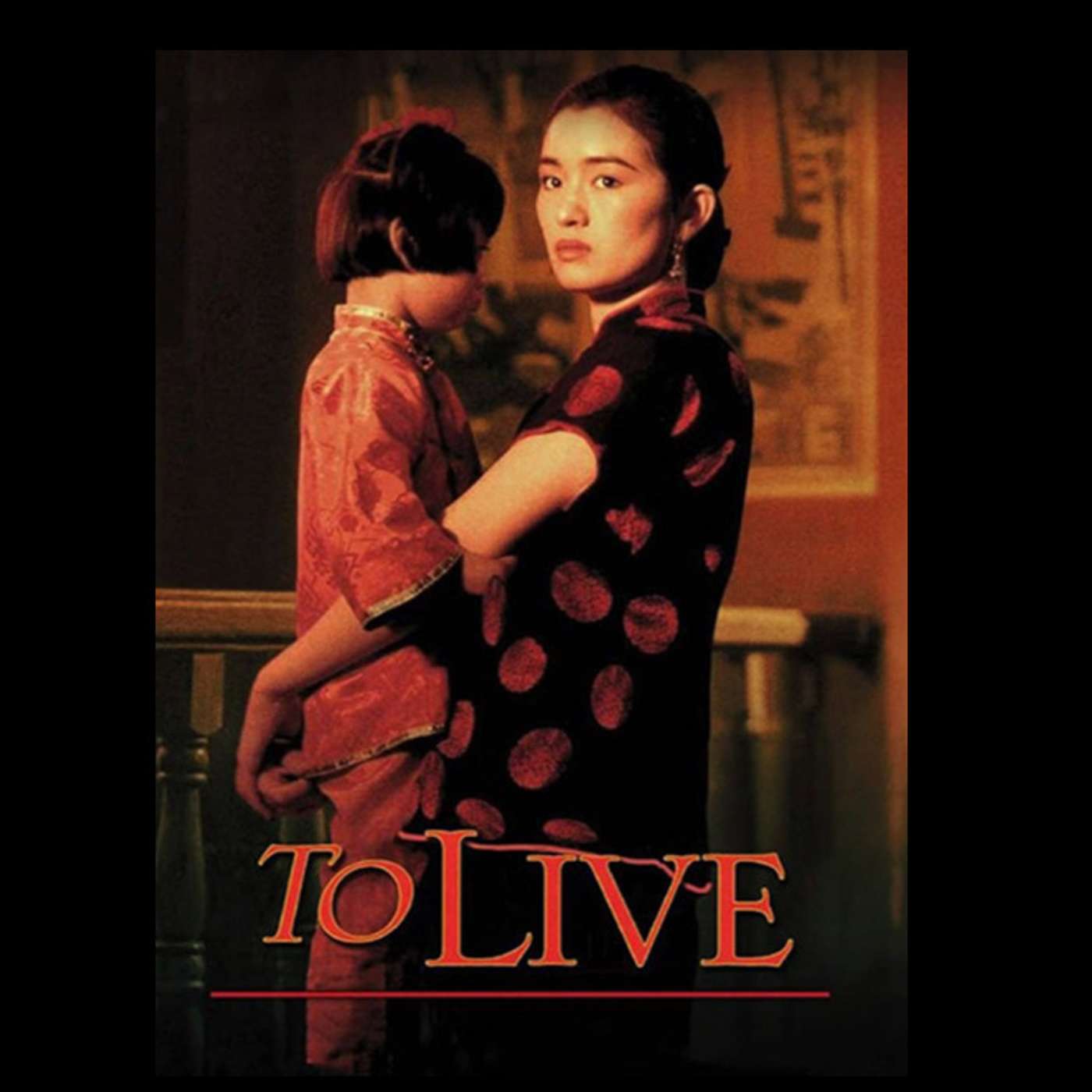
To Live
from Philosophy at the Movies Hosted by Stockdale Center - Shaun Baker, PhD.
What does this 1994 epic tell us about the tumultuous period in Chinese history (the civil war of the late 1940s and the first decades of Maoist rule) that is its setting? How does the character arc of its protagonist, Fugui, convey his maturation, his growth as a husband and father, and the effect of four decades of communist rule had upon himself, family and friends? How does the film deal with the “Great Leap Forward,” and the “Cultural Revolution?” How does the fate of the local communist chief Cadre, Nui, reflect the tenuous nature of political or social status in China during the cultural revolution? How does the film contrast the family’s personal relationships with Red Guard, in the person of their loving son-in-law, Wan Erxi and his friends, and the Red Guard running the smelting operations and hospital which ultimately take the lives of Fugui and Jiahzen’s two children, Fengxia and Youqing? How does the film use Fugui’s traditional Chinese shadow-puppetry to comment upon communism's antogonism toward elements of traditional Chinese culture? Why did communist China allow production of this film, its international distribution, but refuse to allow its theatrical release in China? How does Chinese cinema reflect the cyclic and tenuous nature of the CCP's openness to criticism of communist practice?
Embed this episode
No transcript yet.