Tomorrow’s food crops
from The Food Chain Hosted by BBC World Service
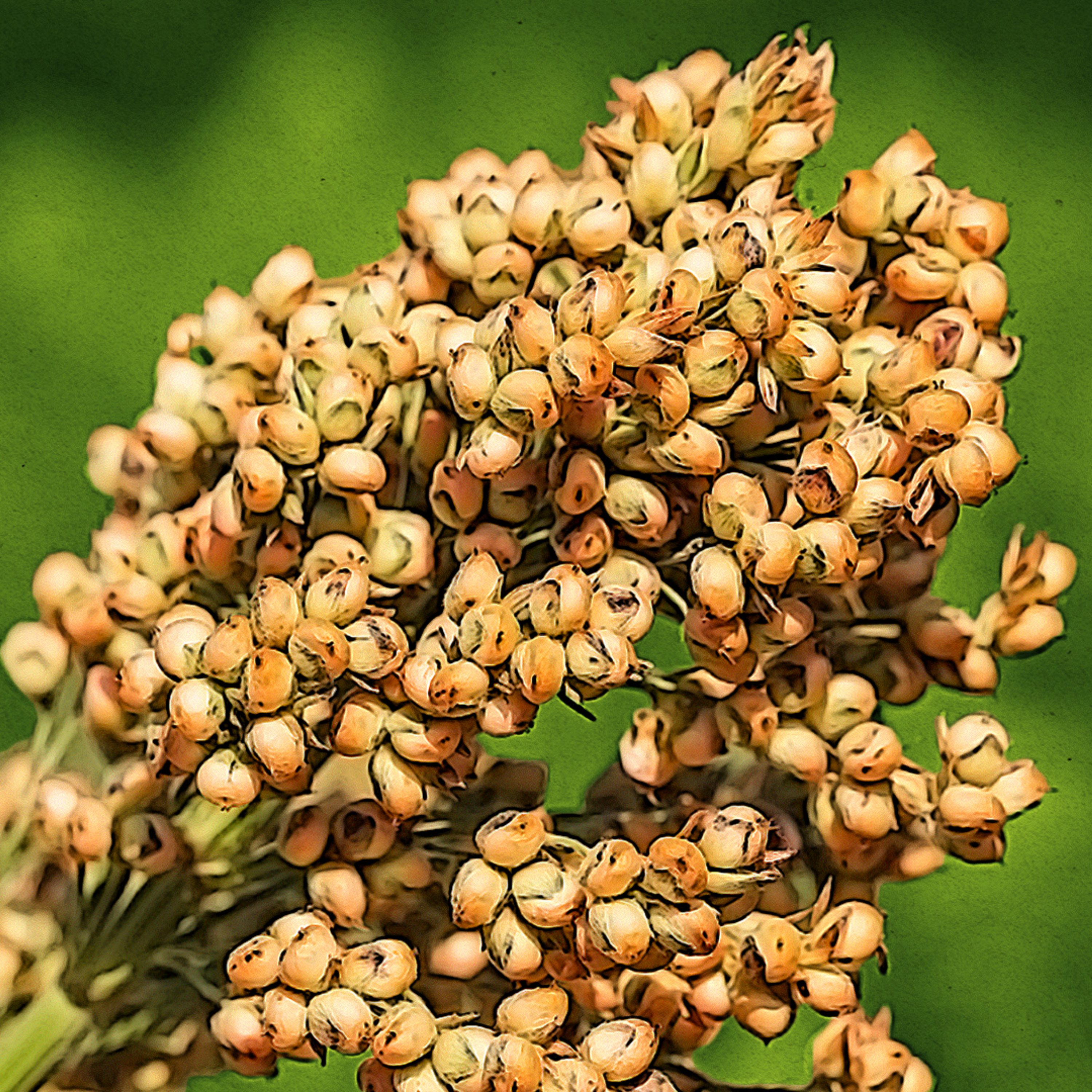
Climate change means that, in many parts of the world, the way we farm is no longer working. We need a larger, more diverse range of crops that perform even when the rains don’t come or, as can also be the case, when too much rain comes. Currently, just 15 crops make up 90% of our energy intake, according to the United Nations’ Food and Agriculture Organization. In this programme, we’re meeting people who are trying to develop food crops that might thrive in our changing world. Ruth Alexander visits the Millennium Seed Bank ran by the Royal Botanic Gardens Kew in the UK, where Dr Chris Cockel explains their work collecting and storing seeds from the wild relatives of our staple crops. Tessa Peters, Director of Crop Stewardship at The Land Institute in Kansas, US, makes the case for creating perennial versions of our crops, in order to preserve soil health. And Dr Rebbie Harawa, regional director, Eastern and Southern Africa at the International Crops Research Institute for the Semi Arid-Tropics talks about why a currently underutilised crop – millet – could be help struggling farmers in dry areas. Picture: Close up of millet growing in a field; Credit: BBC/Getty
Embed this episode
No transcript yet.