#TRAI (The Recognition And Identification) --- SynTalk episode artwork

EPISODE · Oct 11, 2015 · 1H 9M

#TRAI (The Recognition And Identification) --- SynTalk

from SynTalk · host SynTalk

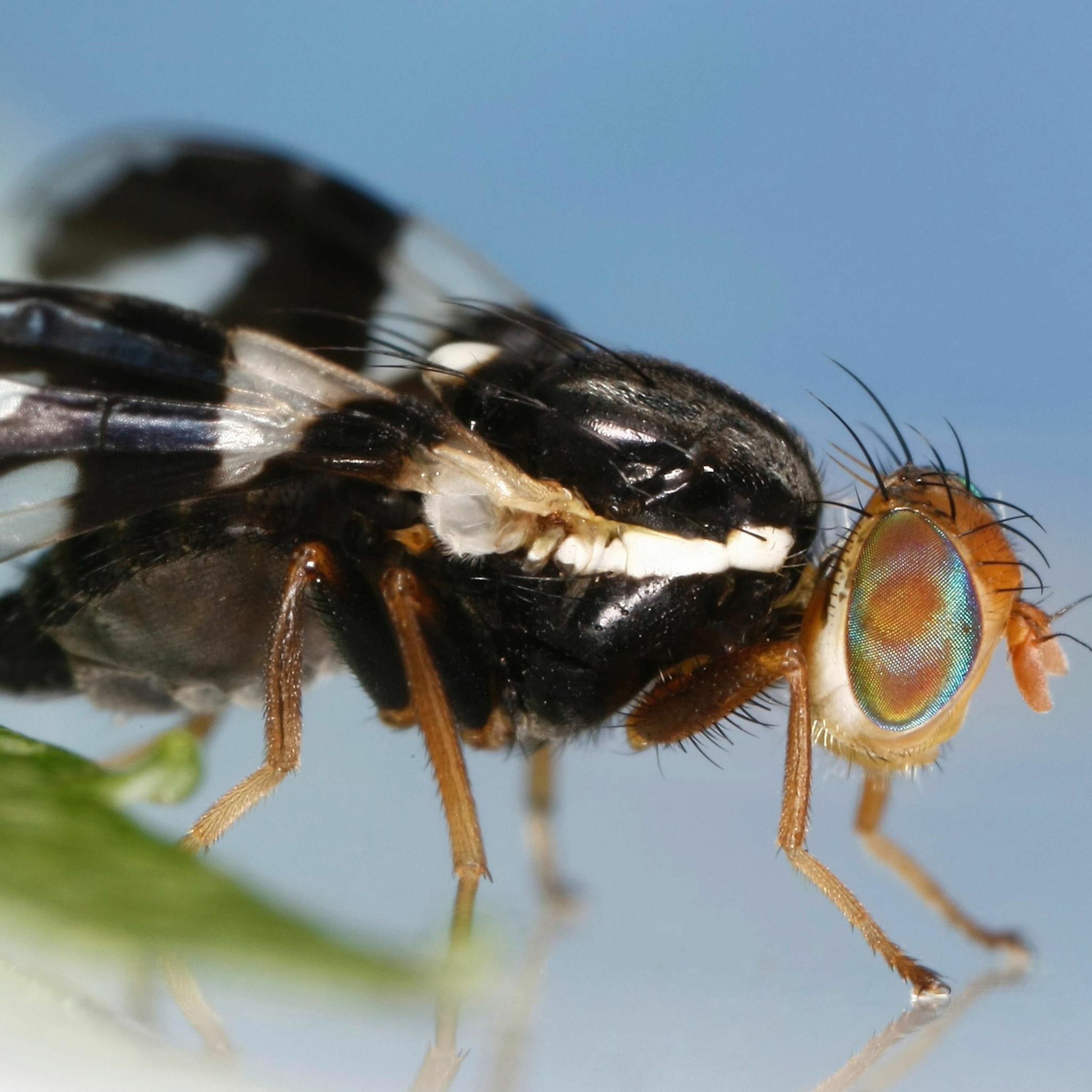
How do chicks fly back to Africa on their own? Is recognition merely re-cognition? What are the different mechanisms for differentiation? How do (say) most new-born insects recognize objects without any social support? How, besides sight and sound, odour-mediated recognition plays a special role in several species? How there is a lot of consistency with smell. We journey into the world of both precocial and altricial species and wonder if the ability to recognize may be both innate and learned. How do unhatched chicks communicate with each other and their mother? Does a life form have the option to not know? Can animals identify that which their nervous system does not allow them to identify? Do brains process information from the environment in a non-linear way? Can one recognize that which has not been experienced before? How the North American apple flies were set up to love apples even before apples were there? How do starlings recognize each other in a murmuration of almost a million? Does time need to be continuous (& finite?) for recognition to make sense? Does knowledge consist in knowing what a thing is not? Is identity always ecological? SynTalk thinks about these & more questions using concepts from chemical ecology (Dr. Shannon Olsson, NCBS, Bangalore), philosophy (Prof. A. Raghuramaraju, University of Hyderabad, Hyderabad), and ornithology (Dr. Asad Rahmani, BNHS, Mumbai). Listen in....

Episode metadata supplied by the publisher feed · Published Oct 11, 2015

How do chicks fly back to Africa on their own? Is recognition merely re-cognition? What are the different mechanisms for differentiation? How do (say) most new-born insects recognize objects without any social support? How, besides sight and sound, odour-mediated recognition plays a special role in several species? How there is a lot of consistency with smell. We journey into the world of both precocial and altricial species and wonder if the ability to recognize may be both innate and learned. How do unhatched chicks communicate with each other and their mother? Does a life form have the option to not know? Can animals identify that which their nervous system does not allow them to identify? Do brains process information from the environment in a non-linear way? Can one recognize that which has not been experienced before? How the North American apple flies were set up to love apples even before apples were there? How do starlings recognize each other in a murmuration of almost a million? Does time need to be continuous (& finite?) for recognition to make sense? Does knowledge consist in knowing what a thing is not? Is identity always ecological? SynTalk thinks about these & more questions using concepts from chemical ecology (Dr. Shannon Olsson, NCBS, Bangalore), philosophy (Prof. A. Raghuramaraju, University of Hyderabad, Hyderabad), and ornithology (Dr. Asad Rahmani, BNHS, Mumbai). Listen in....

PodParley-generated summary based on available episode metadata and transcript content.

NOW PLAYING

#TRAI (The Recognition And Identification) --- SynTalk

0:00 1:09:26

No transcript for this episode yet

We transcribe on demand. Request one and we'll notify you when it's ready — usually under 10 minutes.

No similar episodes found.

No similar podcasts found.

Frequently Asked Questions

How long is this episode of SynTalk?

This episode is 1 hour and 9 minutes long.

When was this SynTalk episode published?

This episode was published on October 11, 2015.

What is this episode about?

How do chicks fly back to Africa on their own? Is recognition merely re-cognition? What are the different mechanisms for differentiation? How do (say) most new-born insects recognize objects without any social support? How, besides sight and sound,...

Can I download this SynTalk episode?

Yes, you can download this episode by clicking the download button on the episode player, or subscribe to the podcast in your preferred podcast app for automatic downloads.
URL copied to clipboard!