
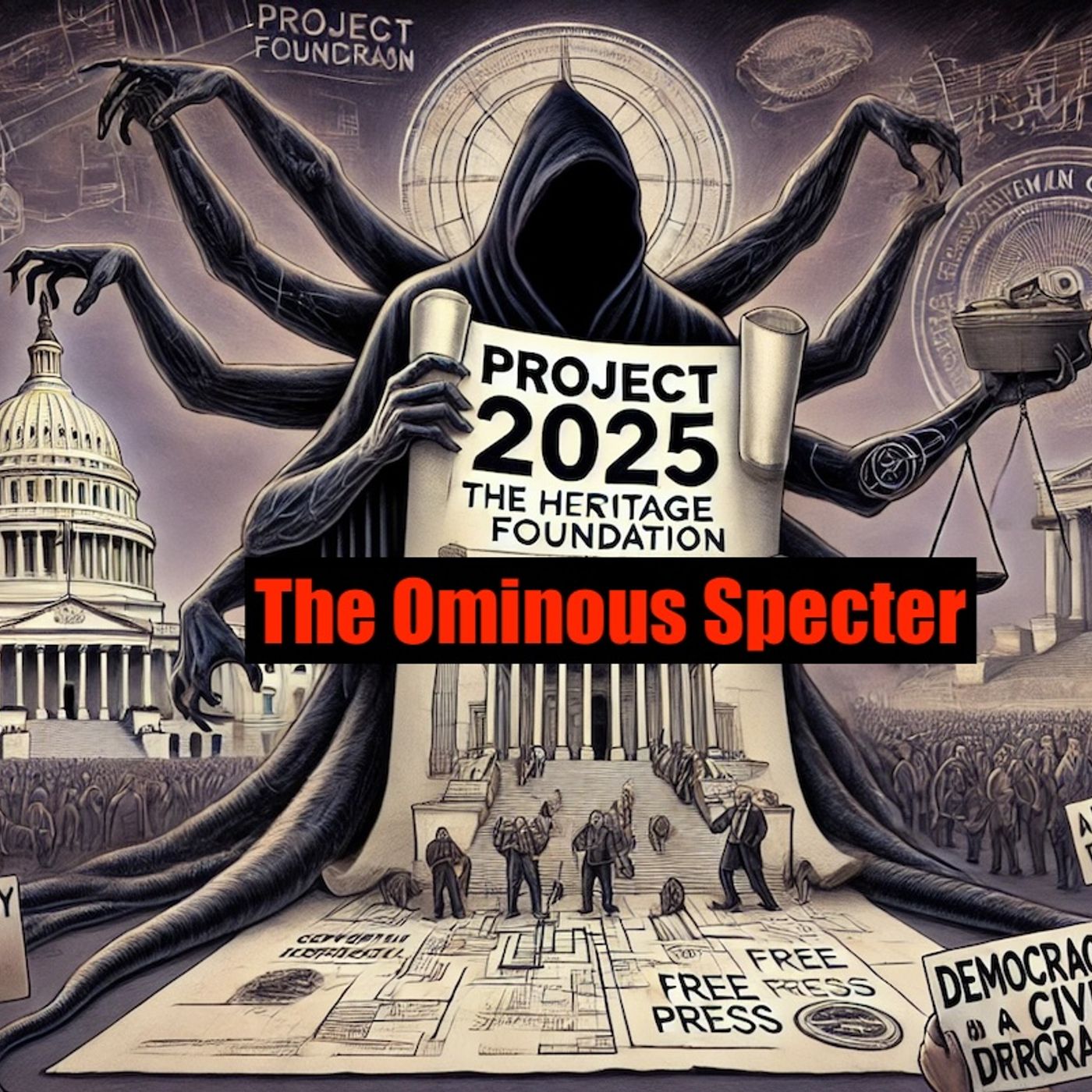
EPISODE · Jun 10, 2025 · 5 MIN
Transformative or Troubling? Project 2025's Proposed Overhaul of the Federal Government
from Project 2025: The Ominous Specter · host Inception Point AI
As I delve into the intricacies of Project 2025, a sense of profound transformation and controversy envelops me. This initiative, backed by influential conservative think tanks such as the Heritage Foundation, is nothing short of a revolutionary blueprint aimed at reshaping the federal government of the United States. At its core, Project 2025 advocates for an expansive interpretation of presidential power, often referred to as the unitary executive theory. This concept centralizes greater control over the government in the White House, a vision that has been gaining traction since the Reagan administration. Kevin Roberts, a key proponent, succinctly captures this ideology: "all federal employees should answer to the president."[2] One of the most striking aspects of Project 2025 is its proposal to eliminate the independence of several critical federal agencies. The Department of Justice, the FBI, the Federal Communications Commission, and the Federal Trade Commission are all targeted for direct presidential control. This move is part of a broader strategy to consolidate executive power, a plan that has been bolstered by conservative justices and organizations like the Federalist Society[2]. The State Department is another focal point, with Project 2025 recommending the dismissal of all employees in leadership roles before January 20, 2025. Kiron Skinner, who authored the State Department chapter of the project, believes that most current employees are too left-wing and should be replaced by those more loyal to a conservative president. When questioned about specific instances where State Department employees obstructed Trump policies, Skinner admitted she could not provide any examples[2]. The scope of Project 2025 extends far beyond these administrative changes, however. It proposes the elimination of entire agencies that have been cornerstone institutions in American governance. The Department of Homeland Security (DHS), created in response to the 9/11 terrorist attacks, would be dismantled, and the Transportation Security Administration (TSA) would be privatized. This move is seen as a significant step backward in national security efforts, as DHS and TSA have played crucial roles in coordinating national security and preventing terrorist attacks[3]. The Department of Education is another agency on the chopping block, with oversight of education and federal funding set to be handed over to the states. This shift not only undermines federal standards but also jeopardizes regulations against sex-based discrimination, gender identity discrimination, and sexual orientation discrimination in schools[3]. Environmental protection is also under threat. The Environmental Protection Agency (EPA) would see the elimination of its regional labs, offices of enforcement and compliance, and scientific integrity and risk information divisions. This would essentially give corporations and big businesses a free rein to pollute, endangering public health a This content was created in partnership and with the help of Artificial Intelligence AI.
Embed this episode
NOW PLAYING
Transformative or Troubling? Project 2025's Proposed Overhaul of the Federal Government
No transcript for this episode yet
Similar Episodes
No similar episodes found.
Similar Podcasts
No similar podcasts found.