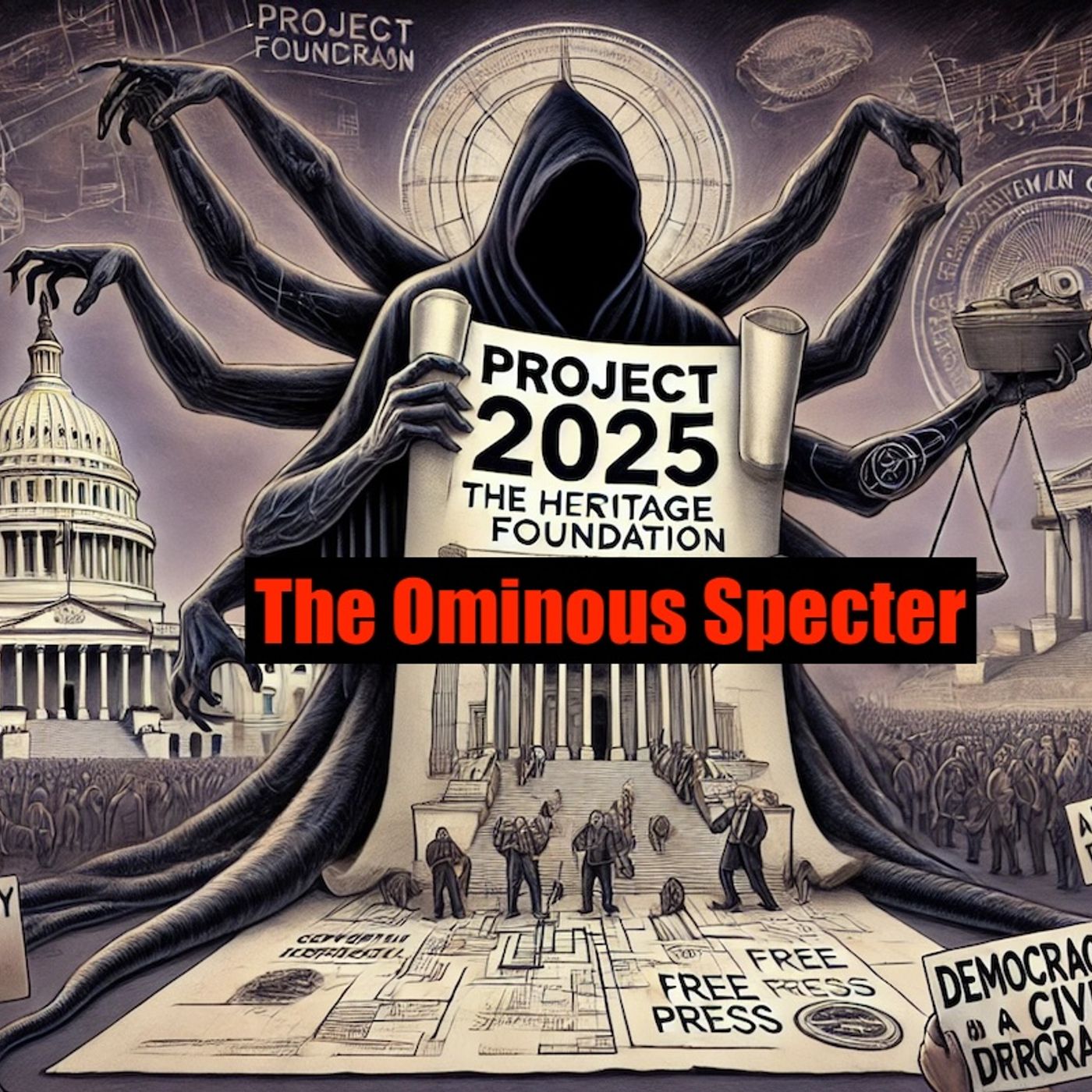
Transformative Overhaul or Democratic Erosion? The High-Stakes Future of Project 2025 episode artwork

EPISODE · Jan 11, 2025 · 6 MIN

Transformative Overhaul or Democratic Erosion? The High-Stakes Future of Project 2025

from Project 2025: The Ominous Specter · host Inception Point AI

As I delve into the intricacies of Project 2025, a sprawling initiative crafted by the Heritage Foundation, I am struck by the sheer breadth and depth of its ambitions. This 900-page blueprint, released in April 2023, is more than just a policy document; it is a vision for a radical restructuring of the American federal government, aligned with a staunchly conservative agenda. At its core, Project 2025 is a comprehensive plan designed to guide a potential future conservative administration, with ties that are unmistakably linked to the Trump campaign. Despite Trump's public disavowal, the connections run deep: many of the project's authors and contributors are veterans of Trump's first administration or are closely associated with his inner circle. For instance, John McEntee, a senior advisor to Project 2025, was the director of the White House Presidential Personnel Office under Trump, and Kevin Roberts, the president of the Heritage Foundation, was part of Trump’s 2016 transition team[4][5]. One of the most striking aspects of Project 2025 is its sweeping proposal to overhaul various federal agencies. The Department of Education, for example, would be abolished, with its programs either transferred or terminated. The Department of Homeland Security would be dismantled, and the Department of Justice, along with the Federal Bureau of Investigation, would come under partisan control. The Federal Communications Commission (FCC) and the Federal Trade Commission (FTC) would also face significant changes, with the FTC potentially being abolished altogether[1]. In the realm of science policy, Project 2025 outlines a future where fundamental research is prioritized over practical applications. The Department of Energy would focus on research that the private sector would not otherwise undertake, while programs focused on climate change would be significantly curtailed. The National Oceanographic and Atmospheric Administration (NOAA) would be broken up, with its climate change research activities heavily criticized as part of the "climate change alarm industry"[2]. The Environmental Protection Agency (EPA) would undergo a transformative shift, with proposals to prevent the agency from using what the project deems "unrealistic" projections of climate change impacts. The EPA would also be required to obtain clear congressional authorization for any science activity, and its staff would be selected based on managerial skills rather than scientific qualifications. This approach is encapsulated in the words of Mandy Gunasekara, the EPA chapter author and former chief of staff at the EPA during the previous Trump administration, who advocates for reforms that would significantly limit the EPA's role in addressing climate change[2]. The project's stance on social and civil rights issues is equally profound. It labels diversity, equity, inclusion, and accessibility (DEIA) initiatives as "managerialist left-wing race and gender ideology" that must be eradica This content was created in partnership and with the help of Artificial Intelligence AI.

As I delve into the intricacies of Project 2025, a sprawling initiative crafted by the Heritage Foundation, I am struck by the sheer breadth and depth of its ambitions. This 900-page blueprint, released in April 2023, is more than just a policy document; it is a vision for a radical restructuring of the American federal government, aligned with a staunchly conservative agenda. At its core, Project 2025 is a comprehensive plan designed to guide a potential future conservative administration, with ties that are unmistakably linked to the Trump campaign. Despite Trump's public disavowal, the connections run deep: many of the project's authors and contributors are veterans of Trump's first administration or are closely associated with his inner circle. For instance, John McEntee, a senior advisor to Project 2025, was the director of the White House Presidential Personnel Office under Trump, and Kevin Roberts, the president of the Heritage Foundation, was part of Trump’s 2016 transition team[4][5]. One of the most striking aspects of Project 2025 is its sweeping proposal to overhaul various federal agencies. The Department of Education, for example, would be abolished, with its programs either transferred or terminated. The Department of Homeland Security would be dismantled, and the Department of Justice, along with the Federal Bureau of Investigation, would come under partisan control. The Federal Communications Commission (FCC) and the Federal Trade Commission (FTC) would also face significant changes, with the FTC potentially being abolished altogether[1]. In the realm of science policy, Project 2025 outlines a future where fundamental research is prioritized over practical applications. The Department of Energy would focus on research that the private sector would not otherwise undertake, while programs focused on climate change would be significantly curtailed. The National Oceanographic and Atmospheric Administration (NOAA) would be broken up, with its climate change research activities heavily criticized as part of the "climate change alarm industry"[2]. The Environmental Protection Agency (EPA) would undergo a transformative shift, with proposals to prevent the agency from using what the project deems "unrealistic" projections of climate change impacts. The EPA would also be required to obtain clear congressional authorization for any science activity, and its staff would be selected based on managerial skills rather than scientific qualifications. This approach is encapsulated in the words of Mandy Gunasekara, the EPA chapter author and former chief of staff at the EPA during the previous Trump administration, who advocates for reforms that would significantly limit the EPA's role in addressing climate change[2]. The project's stance on social and civil rights issues is equally profound. It labels diversity, equity, inclusion, and accessibility (DEIA) initiatives as "managerialist left-wing race and gender ideology" that must be eradica This content was created in partnership and with the help of Artificial Intelligence AI.

NOW PLAYING

Transformative Overhaul or Democratic Erosion? The High-Stakes Future of Project 2025

0:00 6:09

No transcript for this episode yet

We transcribe on demand. Request one and we'll notify you when it's ready — usually under 10 minutes.

Frequently Asked Questions

How long is this episode of Project 2025: The Ominous Specter?

This episode is 6 minutes long.

When was this Project 2025: The Ominous Specter episode published?

This episode was published on January 11, 2025.

What is this episode about?

As I delve into the intricacies of Project 2025, a sprawling initiative crafted by the Heritage Foundation, I am struck by the sheer breadth and depth of its ambitions. This 900-page blueprint, released in April 2023, is more than just a policy...

Can I download this Project 2025: The Ominous Specter episode?

Yes, you can download this episode by clicking the download button on the episode player, or subscribe to the podcast in your preferred podcast app for automatic downloads.
URL copied to clipboard!