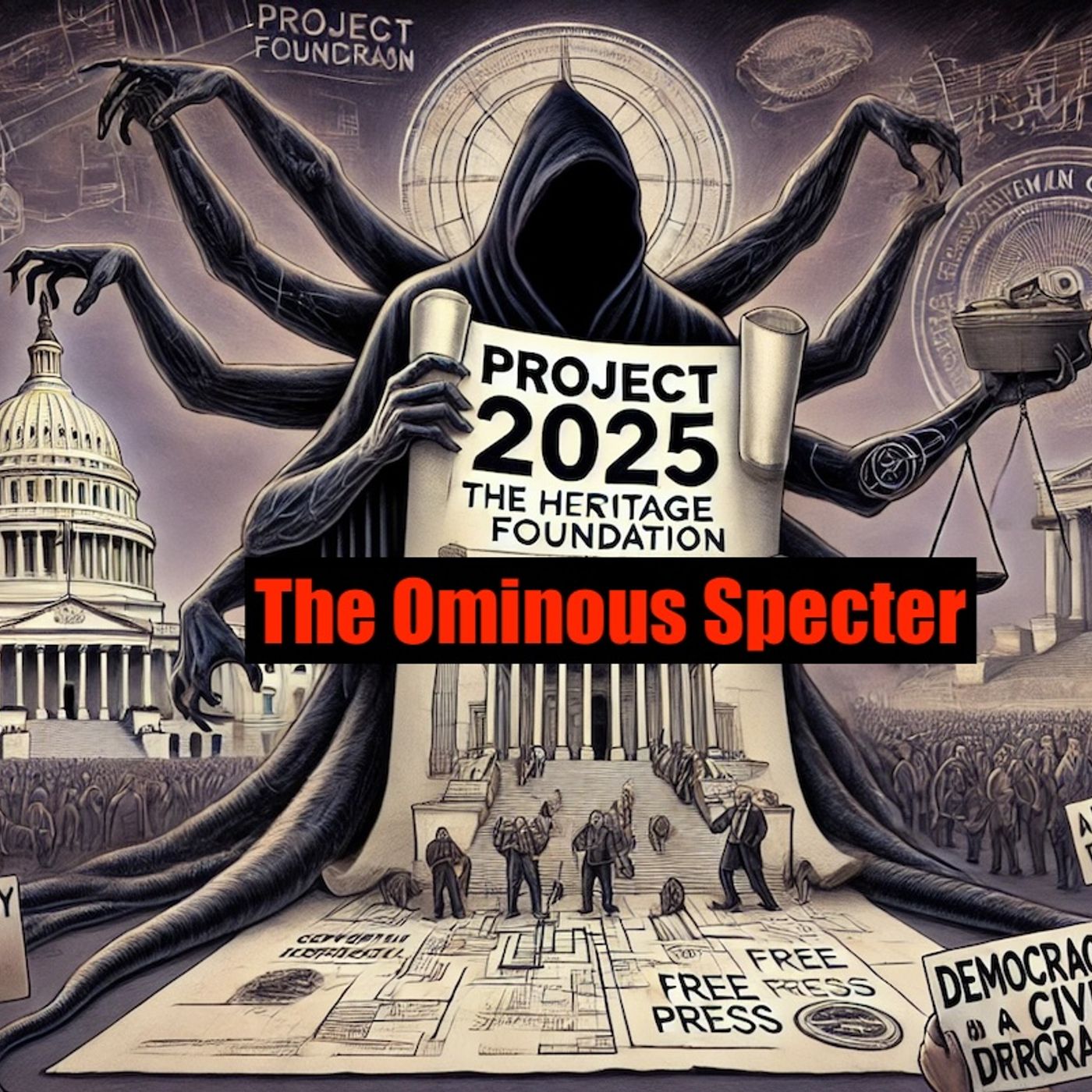
Transforming American Governance: The Ambitious and Controversial Project 2025 episode artwork

EPISODE · Dec 22, 2024 · 5 MIN

Transforming American Governance: The Ambitious and Controversial Project 2025

from Project 2025: The Ominous Specter · host Inception Point AI

As I delved into the intricacies of Project 2025, a sweeping initiative crafted by the Heritage Foundation, I couldn't help but feel a sense of both fascination and trepidation. This 900-page blueprint, released in April 2022, outlines a radical restructuring of the federal government, envisioning a future that is as ambitious as it is contentious. At its core, Project 2025 is a comprehensive policy agenda designed to guide a potential conservative administration, with ties that run deep into the circles of former President Donald Trump. Despite Trump's public disavowal of the project, the connections are undeniable; many of its authors and contributors are veterans of Trump's first administration or closely aligned with his inner circle[3][4]. One of the most striking aspects of Project 2025 is its proposal to overhaul various federal agencies. The Department of Education, for instance, would be abolished, with its programs either transferred or terminated. The Department of Homeland Security would be dismantled, and the National Institutes of Health (NIH) would be made less independent, with a specific ban on funding research involving embryonic stem cells[1]. The project also targets environmental and climate change regulations, advocating for a significant rollback to favor fossil fuels. Diana Furchtgott-Roth, the Heritage Foundation's energy and climate director, suggests that the Environmental Protection Agency (EPA) should support increased consumption of natural gas, despite concerns from climatologists about the potential for increased methane leaks[1]. In the realm of science policy, Project 2025 prioritizes fundamental research over deployment, arguing that many current Department of Energy (DOE) programs act as subsidies to the private sector. It proposes eliminating offices focused on energy technology development and climate change programs, and reshaping the U.S. Global Change and Research Program to critically analyze and potentially refuse any assessments prepared under the Biden administration[2]. The National Oceanographic and Atmospheric Administration (NOAA) is another agency in the crosshairs, with Project 2025 describing it as a "main driver of the climate change alarm industry" and proposing its breakup. The EPA would be restricted from using "unrealistic" projections of climate change impacts and would require clear congressional authorization for any science activity[2]. The project's vision extends to the economy and labor policies as well. It recommends instituting work requirements for those reliant on the Supplemental Nutrition Assistance Program (SNAP) and proposes changes to overtime rules that could weaken protections and decrease overtime pay for some workers. Additionally, it suggests legislation requiring higher pay for working on Sundays, based on the principle that "God ordained the Sabbath as a day of rest"[1]. In the technology and media sector, Project 2025 is keen on addressing what it perceives as This content was created in partnership and with the help of Artificial Intelligence AI.

As I delved into the intricacies of Project 2025, a sweeping initiative crafted by the Heritage Foundation, I couldn't help but feel a sense of both fascination and trepidation. This 900-page blueprint, released in April 2022, outlines a radical restructuring of the federal government, envisioning a future that is as ambitious as it is contentious. At its core, Project 2025 is a comprehensive policy agenda designed to guide a potential conservative administration, with ties that run deep into the circles of former President Donald Trump. Despite Trump's public disavowal of the project, the connections are undeniable; many of its authors and contributors are veterans of Trump's first administration or closely aligned with his inner circle[3][4]. One of the most striking aspects of Project 2025 is its proposal to overhaul various federal agencies. The Department of Education, for instance, would be abolished, with its programs either transferred or terminated. The Department of Homeland Security would be dismantled, and the National Institutes of Health (NIH) would be made less independent, with a specific ban on funding research involving embryonic stem cells[1]. The project also targets environmental and climate change regulations, advocating for a significant rollback to favor fossil fuels. Diana Furchtgott-Roth, the Heritage Foundation's energy and climate director, suggests that the Environmental Protection Agency (EPA) should support increased consumption of natural gas, despite concerns from climatologists about the potential for increased methane leaks[1]. In the realm of science policy, Project 2025 prioritizes fundamental research over deployment, arguing that many current Department of Energy (DOE) programs act as subsidies to the private sector. It proposes eliminating offices focused on energy technology development and climate change programs, and reshaping the U.S. Global Change and Research Program to critically analyze and potentially refuse any assessments prepared under the Biden administration[2]. The National Oceanographic and Atmospheric Administration (NOAA) is another agency in the crosshairs, with Project 2025 describing it as a "main driver of the climate change alarm industry" and proposing its breakup. The EPA would be restricted from using "unrealistic" projections of climate change impacts and would require clear congressional authorization for any science activity[2]. The project's vision extends to the economy and labor policies as well. It recommends instituting work requirements for those reliant on the Supplemental Nutrition Assistance Program (SNAP) and proposes changes to overtime rules that could weaken protections and decrease overtime pay for some workers. Additionally, it suggests legislation requiring higher pay for working on Sundays, based on the principle that "God ordained the Sabbath as a day of rest"[1]. In the technology and media sector, Project 2025 is keen on addressing what it perceives as This content was created in partnership and with the help of Artificial Intelligence AI.

NOW PLAYING

Transforming American Governance: The Ambitious and Controversial Project 2025

0:00 5:23

No transcript for this episode yet

We transcribe on demand. Request one and we'll notify you when it's ready — usually under 10 minutes.

Frequently Asked Questions

How long is this episode of Project 2025: The Ominous Specter?

This episode is 5 minutes long.

When was this Project 2025: The Ominous Specter episode published?

This episode was published on December 22, 2024.

What is this episode about?

As I delved into the intricacies of Project 2025, a sweeping initiative crafted by the Heritage Foundation, I couldn't help but feel a sense of both fascination and trepidation. This 900-page blueprint, released in April 2022, outlines a radical...

Can I download this Project 2025: The Ominous Specter episode?

Yes, you can download this episode by clicking the download button on the episode player, or subscribe to the podcast in your preferred podcast app for automatic downloads.
URL copied to clipboard!