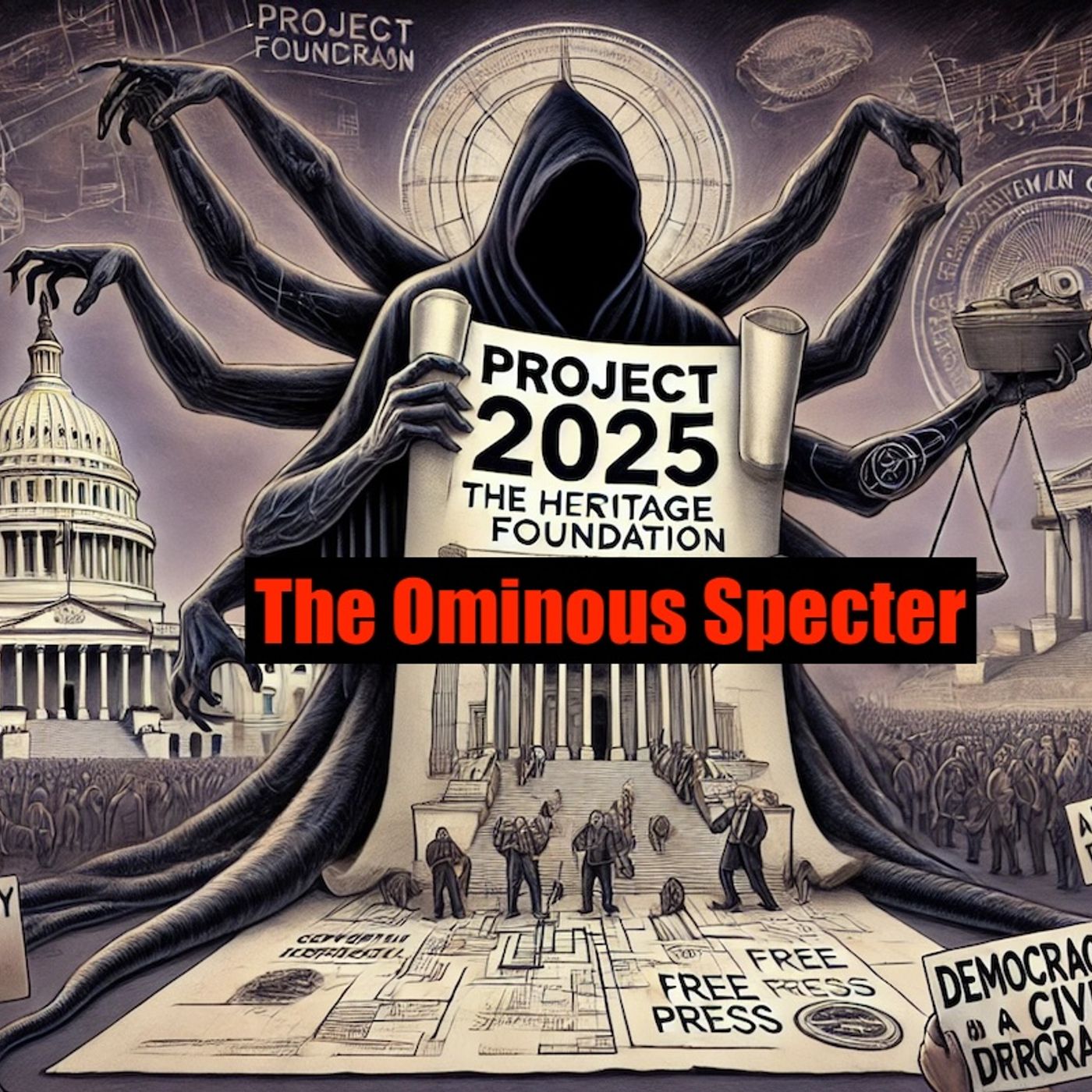
Transforming the American Government: Project 2025's Controversial Plan to Reshape Federal Agencies episode artwork

EPISODE · May 4, 2025 · 4 MIN

Transforming the American Government: Project 2025's Controversial Plan to Reshape Federal Agencies

from Project 2025: The Ominous Specter · host Inception Point AI

As I delve into the intricacies of Project 2025, a sense of profound change and potential upheaval in the American governmental landscape becomes increasingly clear. This initiative, spearheaded by a coalition of conservative organizations, aims to reshape the federal government in ways that are both far-reaching and deeply controversial. At its core, Project 2025 is rooted in the unitary executive theory, an expansive interpretation of presidential power that seeks to centralize greater control over the government in the White House. Kevin Roberts, a key figure in this movement, has explicitly stated that all federal employees should answer directly to the president, a notion that challenges the traditional independence of various federal agencies. One of the most striking aspects of Project 2025 is its proposal to dismantle the autonomy of agencies such as the Department of Justice, the FBI, the Federal Communications Commission, and the Federal Trade Commission. These institutions, which have long operated with a degree of independence to ensure impartiality and accountability, would be brought under direct presidential control. This shift is not merely administrative; it represents a fundamental alteration in the balance of power within the federal government. The plan also includes drastic changes within the Department of State. Kiron Skinner, who authored the State Department chapter of Project 2025, advocates for the dismissal of all current leadership roles before January 20, 2025. She intends to replace these positions with ideologically vetted leaders appointed to acting roles, bypassing the need for Senate confirmation. Skinner's rationale is that many State Department employees are too left-wing and need to be replaced by those more loyal to a conservative president. When questioned about specific instances where State Department employees obstructed Trump policies, Skinner admitted she could not provide any examples, highlighting the ideological rather than practical basis of these proposed changes. The scope of Project 2025 extends far beyond the restructuring of federal agencies. It encompasses a wide array of policy proposals that could have significant impacts on various aspects of American life. For instance, the project suggests abolishing the Department of Education, slashing climate regulations, banning abortion pills, and implementing mass deportations. These proposals are not merely policy tweaks but represent a wholesale transformation of the federal government's role in society. The implications for journalism are also noteworthy. Project 2025 includes measures that would make it easier for the government to seize journalists' emails and phone records, and even considers expelling reporters from the White House press corps. While the First Amendment protects against the outright shutdown of critical news outlets, these proposals erode the boundaries between the government and the press, potentially chilling free spee This content was created in partnership and with the help of Artificial Intelligence AI.

As I delve into the intricacies of Project 2025, a sense of profound change and potential upheaval in the American governmental landscape becomes increasingly clear. This initiative, spearheaded by a coalition of conservative organizations, aims to reshape the federal government in ways that are both far-reaching and deeply controversial. At its core, Project 2025 is rooted in the unitary executive theory, an expansive interpretation of presidential power that seeks to centralize greater control over the government in the White House. Kevin Roberts, a key figure in this movement, has explicitly stated that all federal employees should answer directly to the president, a notion that challenges the traditional independence of various federal agencies. One of the most striking aspects of Project 2025 is its proposal to dismantle the autonomy of agencies such as the Department of Justice, the FBI, the Federal Communications Commission, and the Federal Trade Commission. These institutions, which have long operated with a degree of independence to ensure impartiality and accountability, would be brought under direct presidential control. This shift is not merely administrative; it represents a fundamental alteration in the balance of power within the federal government. The plan also includes drastic changes within the Department of State. Kiron Skinner, who authored the State Department chapter of Project 2025, advocates for the dismissal of all current leadership roles before January 20, 2025. She intends to replace these positions with ideologically vetted leaders appointed to acting roles, bypassing the need for Senate confirmation. Skinner's rationale is that many State Department employees are too left-wing and need to be replaced by those more loyal to a conservative president. When questioned about specific instances where State Department employees obstructed Trump policies, Skinner admitted she could not provide any examples, highlighting the ideological rather than practical basis of these proposed changes. The scope of Project 2025 extends far beyond the restructuring of federal agencies. It encompasses a wide array of policy proposals that could have significant impacts on various aspects of American life. For instance, the project suggests abolishing the Department of Education, slashing climate regulations, banning abortion pills, and implementing mass deportations. These proposals are not merely policy tweaks but represent a wholesale transformation of the federal government's role in society. The implications for journalism are also noteworthy. Project 2025 includes measures that would make it easier for the government to seize journalists' emails and phone records, and even considers expelling reporters from the White House press corps. While the First Amendment protects against the outright shutdown of critical news outlets, these proposals erode the boundaries between the government and the press, potentially chilling free spee This content was created in partnership and with the help of Artificial Intelligence AI.

NOW PLAYING

Transforming the American Government: Project 2025's Controversial Plan to Reshape Federal Agencies

0:00 4:31

No transcript for this episode yet

We transcribe on demand. Request one and we'll notify you when it's ready — usually under 10 minutes.

No similar episodes found.

No similar podcasts found.

Frequently Asked Questions

How long is this episode of Project 2025: The Ominous Specter?

This episode is 4 minutes long.

When was this Project 2025: The Ominous Specter episode published?

This episode was published on May 4, 2025.

What is this episode about?

As I delve into the intricacies of Project 2025, a sense of profound change and potential upheaval in the American governmental landscape becomes increasingly clear. This initiative, spearheaded by a coalition of conservative organizations, aims to...

Can I download this Project 2025: The Ominous Specter episode?

Yes, you can download this episode by clicking the download button on the episode player, or subscribe to the podcast in your preferred podcast app for automatic downloads.
URL copied to clipboard!