
EPISODE · May 31, 2025 · 4 MIN
Transforming the Federal Government: Project 2025's Vision for a Unitary Executive
from Project 2025: The Ominous Specter · host Inception Point AI
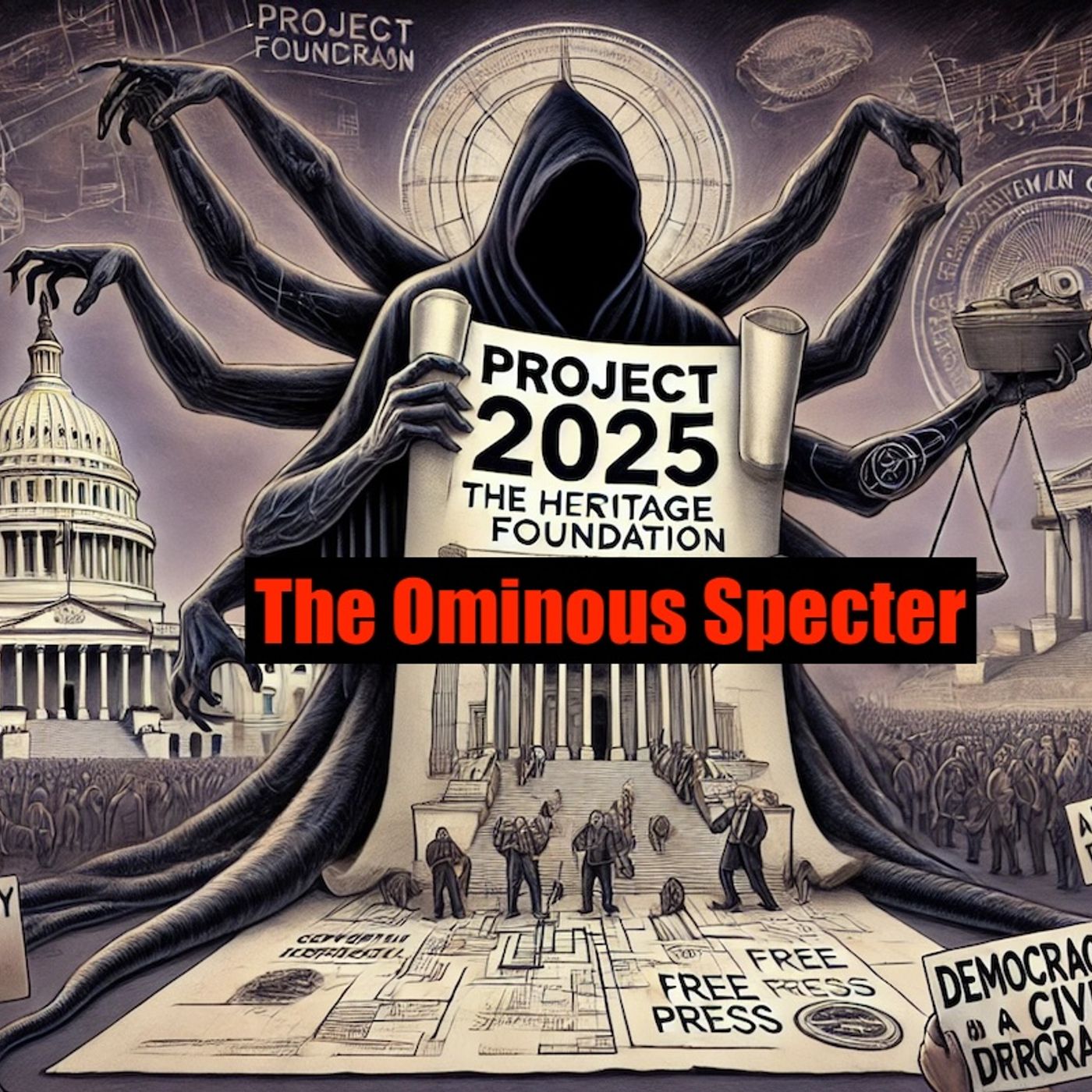
As I delve into the intricacies of Project 2025, a sense of profound transformation and controversy envelops me. This initiative, backed by influential conservative think tanks such as the Heritage Foundation, is nothing short of a revolutionary blueprint aimed at reshaping the very fabric of the U.S. federal government. At its core, Project 2025 is rooted in the unitary executive theory, an expansive interpretation of presidential power that seeks to centralize greater control over the government in the White House. Kevin Roberts, a key proponent, succinctly captures this vision: "all federal employees should answer to the president."[4] One of the most striking aspects of Project 2025 is its proposal to dismantle the independence of various federal agencies. The plan calls for placing the entire executive branch under direct presidential control, effectively eliminating the autonomy of agencies like the Department of Justice, the FBI, the Federal Communications Commission, and the Federal Trade Commission. This move is not merely administrative; it represents a fundamental shift in how power is distributed within the federal government. For instance, the State Department is a prime target for overhaul. Kiron Skinner, who authored the State Department chapter of Project 2025, advocates for the dismissal of all leadership roles within the department before January 20, 2025. She intends to replace these positions with ideologically vetted leaders appointed to acting roles that do not require Senate confirmation. Skinner's rationale is clear: she believes most State Department employees are too left-wing and need to be replaced by those more loyal to a conservative president[4]. The implications of such changes are far-reaching. If implemented, these reforms would not only alter the operational dynamics of these agencies but also significantly impact the lives of federal employees. The American Federation of Government Employees (AFGE) warns that Project 2025 could lead to the termination of up to 1 million federal workers, a figure that underscores the sheer scale of the proposed restructuring[2]. The 900-page policy proposal of Project 2025 is replete with specific policy objectives and intended reforms. One of the most contentious proposals is the elimination of entire agencies, such as the Consumer Financial Protection Board (CFPB) and the United States Agency for International Development (USAID). These actions, already being executed by the Trump administration through the Department of Government Efficiency (DOGE) led by Elon Musk, have been described as chaotic and legally questionable. Musk's DOGE has reportedly laid off or plans to lay off 280,253 federal workers and contractors, affecting 27 agencies in the process[5]. The execution of Project 2025's plan has been anything but smooth. The Trump administration's turbulent method of implementation has drawn criticism for its haste and lack of transparency. Despite this, the project's This content was created in partnership and with the help of Artificial Intelligence AI.
Embed this episode
Ready to play
Transforming the Federal Government: Project 2025's Vision for a Unitary Executive
No transcript for this episode yet
Similar Episodes
No similar episodes found.
Similar Podcasts
No similar podcasts found.