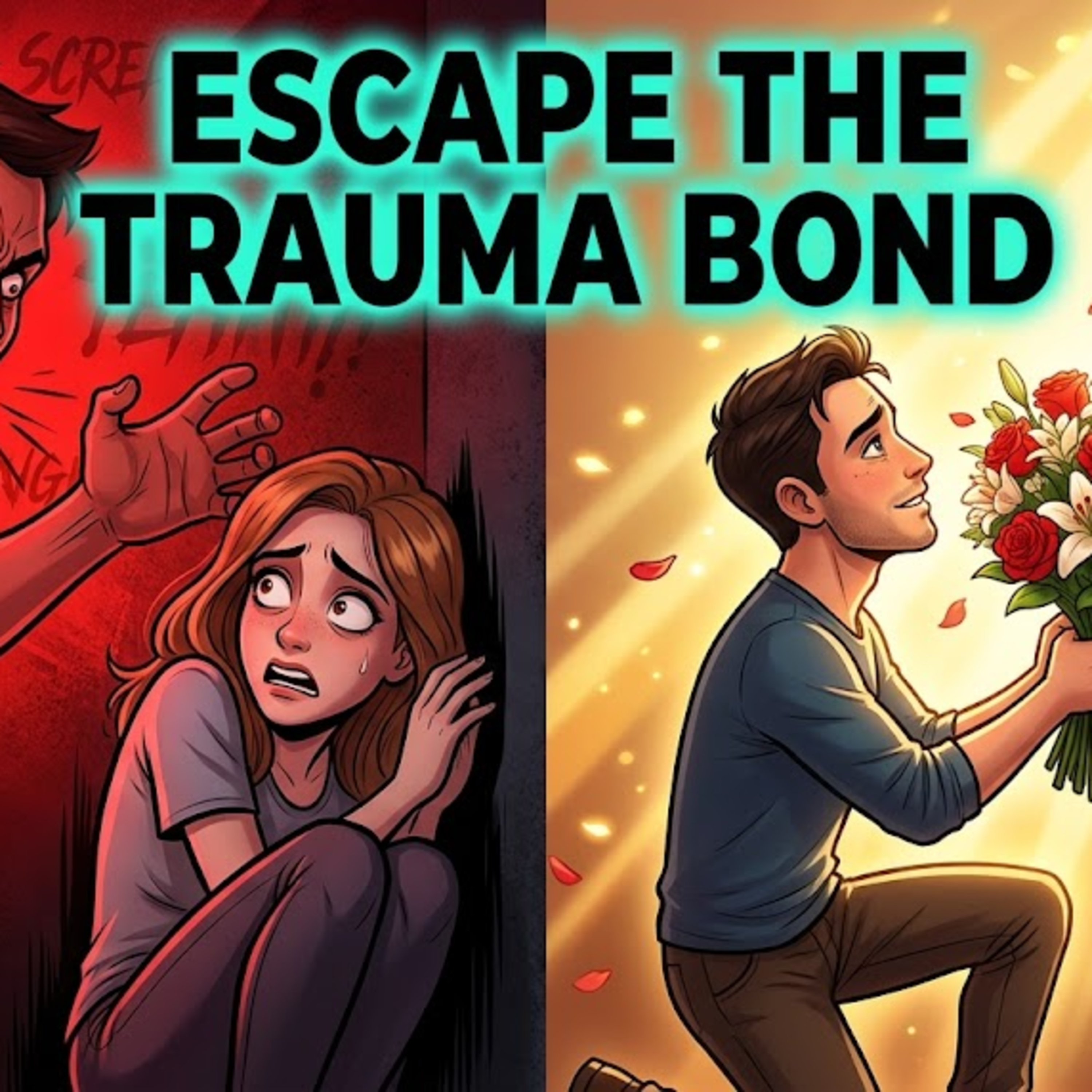
Trauma Bonding Isn't Weakness—It's a Nervous System Hack episode artwork

EPISODE · Jun 6, 2026 · 26 MIN

Trauma Bonding Isn't Weakness—It's a Nervous System Hack

from Planting Thoughts · host Mike

This episode dives deep into the clinical and neurobiological mechanics of why we stay in relationships that are objectively destructive. Hosted by Mike, the script moves past the standard narrative of "low self-worth" to explain how trauma bonding is a systematic, biological entrapment designed to exploit the human nervous system. By examining the work of psychologists Donald Dutton and Susan Painter, the episode defines trauma bonding as a precise cycle of fear, threat, and intermittent affection that creates a powerful emotional attachment to an abuser.The forensic breakdown explores how modern dating platforms and "swipe-based" apps have engineered these micro-cycles of intensity and ghosting, essentially scaling the trauma bonding mechanism for the digital age. Mike explains the neurobiology of this addiction, detailing how the brain is flooded with Cortisol during conflict and Dopamine during sporadic "relief," creating a high-stakes gambling loop similar to a slot machine. The episode also highlights the role of Oxytocin, which can lead the body to seek safety from the very person who is causing the fear.To conclude, the script provides a practical "Sovereignty Audit," a three-stage protocol for reclaiming psychological autonomy. This includes identifying the cycle, breaking the chemical loop through physical movement, and rebuilding the "Parallel Architecture" of one’s life.Hashtags#TraumaBonding #Psychology Welcome to Planting Thoughts, the psychology podcast that digs into the weird, funny, and fascinating sides of human behavior. From cults and moral dilemmas to personality, decision-making, and why our brains do the dumb stuff they do — we blend science, humor, and storytelling to make psychology real and relatable.🎙️ Hosted by Mike 🧠 Topics: psychology, neuroscience, social behavior, moral psychology, mental health, personality science, pop culture, dark psychology, and the psychology of everyday life.Subscribe for weekly deep dives, mind-bending insights, and some laughs along the way.#PlantTheSpark #MentalHealth #DatingAdvice #Neurobiology #EthicalMasculinity #RelationshipCycles #SelfSovereignty #BreakTheCycle🔍 Keywords: psychology podcast | human behavior | moral psychology | cognitive biases | social psychology | mental health science | Planting Thoughts podcast | psychology explained | funny psychology podcast

Episode metadata supplied by the publisher feed · Published Jun 6, 2026

This episode dives deep into the clinical and neurobiological mechanics of why we stay in relationships that are objectively destructive. Hosted by Mike, the script moves past the standard narrative of "low self-worth" to explain how trauma bonding is a systematic, biological entrapment designed to exploit the human nervous system. By examining the work of psychologists Donald Dutton and Susan Painter, the episode defines trauma bonding as a precise cycle of fear, threat, and intermittent affection that creates a powerful emotional attachment to an abuser.The forensic breakdown explores how modern dating platforms and "swipe-based" apps have engineered these micro-cycles of intensity and ghosting, essentially scaling the trauma bonding mechanism for the digital age. Mike explains the neurobiology of this addiction, detailing how the brain is flooded with Cortisol during conflict and Dopamine during sporadic "relief," creating a high-stakes gambling loop similar to a slot machine. The episode also highlights the role of Oxytocin, which can lead the body to seek safety from the very person who is causing the fear.To conclude, the script provides a practical "Sovereignty Audit," a three-stage protocol for reclaiming psychological autonomy. This includes identifying the cycle, breaking the chemical loop through physical movement, and rebuilding the "Parallel Architecture" of one’s life.Hashtags#TraumaBonding #Psychology Welcome to Planting Thoughts, the psychology podcast that digs into the weird, funny, and fascinating sides of human behavior. From cults and moral dilemmas to personality, decision-making, and why our brains do the dumb stuff they do — we blend science, humor, and storytelling to make psychology real and relatable.🎙️ Hosted by Mike 🧠 Topics: psychology, neuroscience, social behavior, moral psychology, mental health, personality science, pop culture, dark psychology, and the psychology of everyday life.Subscribe for weekly deep dives, mind-bending insights, and some laughs along the way.#PlantTheSpark #MentalHealth #DatingAdvice #Neurobiology #EthicalMasculinity #RelationshipCycles #SelfSovereignty #BreakTheCycle🔍 Keywords: psychology podcast | human behavior | moral psychology | cognitive biases | social psychology | mental health science | Planting Thoughts podcast | psychology explained | funny psychology podcast

PodParley-generated summary based on available episode metadata and transcript content.

NOW PLAYING

Trauma Bonding Isn't Weakness—It's a Nervous System Hack

0:00 26:50

No transcript for this episode yet

We transcribe on demand. Request one and we'll notify you when it's ready — usually under 10 minutes.

40 - Tylenol v. Trump

Sep 28, 2025 ·38m

39 - Kimmel Gets Cancelled

Sep 20, 2025 ·49m

38 - A Future They Hate

Sep 13, 2025 ·41m

37 - Lentils!

Sep 7, 2025 ·41m

35 - Sangria for the Baby

Aug 25, 2025 ·45m

Frequently Asked Questions

How long is this episode of Planting Thoughts?

This episode is 26 minutes long.

When was this Planting Thoughts episode published?

This episode was published on June 6, 2026.

What is this episode about?

This episode dives deep into the clinical and neurobiological mechanics of why we stay in relationships that are objectively destructive. Hosted by Mike, the script moves past the standard narrative of "low self-worth" to explain how trauma bonding...

Can I download this Planting Thoughts episode?

Yes, you can download this episode by clicking the download button on the episode player, or subscribe to the podcast in your preferred podcast app for automatic downloads.
URL copied to clipboard!