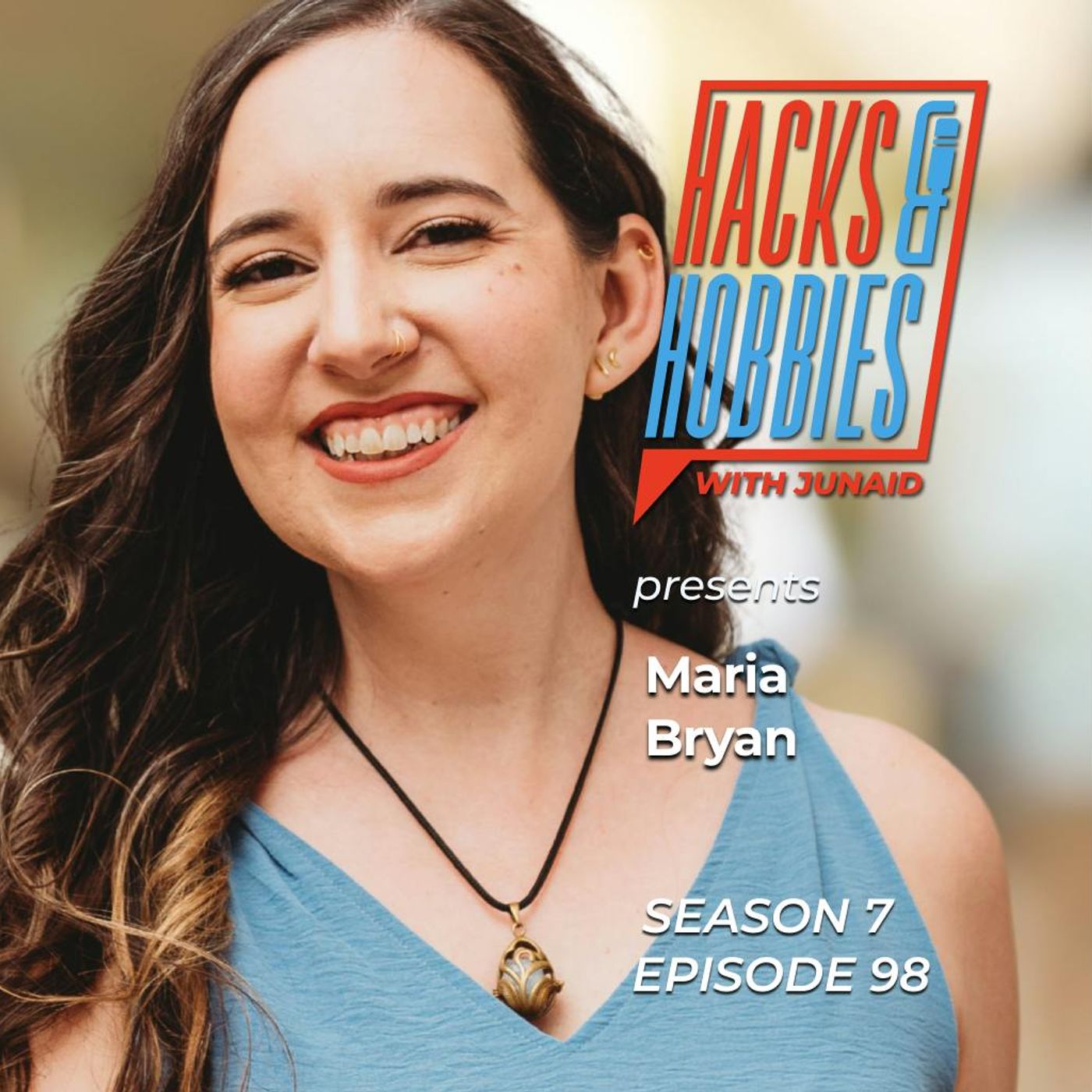
Trauma-Informed Storytelling, Nonprofit Fundraising & How Stories Can Harm (and Heal) - Maria Bryan episode artwork

EPISODE · Mar 2, 2026 · 33 MIN

Trauma-Informed Storytelling, Nonprofit Fundraising & How Stories Can Harm (and Heal) - Maria Bryan

from Hacks and Hobbies with Junaid Ahmed · host Junaid Ahmed

What if the way you tell stories is quietly harming the very people you want to help? In this episode, Junaid Ahmed sits down with Maria Bryan, a trauma-informed storytelling trainer and host of the When Bearing Witness podcast. Maria has trained thousands of nonprofit leaders, fundraisers, and storytellers to share stories that inspire change without exploitation, re-traumatization, or stripping people of their dignity. Together they unpack how traditional nonprofit and marketing storytelling—especially “success stories” and testimonials—can unintentionally cause deep harm, and what it really looks like to tell stories rooted in safety, consent, and agency. From rethinking “we need hundreds of stories a year” to creating harm repair plans and no-questions-asked takedown policies, this conversation is a blueprint for anyone who interviews, fundraises, or shares lived-experience stories. In this episode, you’ll learn: How trauma-informed storytelling radically differs from traditional marketing and fundraising stories Why telling fewer stories, more slowly and more thoughtfully, can actually increase impact and trust The subtle ways nonprofits and podcasters accidentally remove safety and agency from story owners Practical steps to make interviews, testimonials, and campaigns ethically and emotionally safer How to design organizational systems, consent processes, and harm repair plans that respect story owners for years after publication Key Timestamps [0:00:22] – What is trauma-informed storytelling?Maria explains how nonprofit stories can help or harm, and why traditional “impact stories” need a complete rethink. [0:03:35] – The hidden cost of telling hundreds of stories a yearWhy nonstop demand for “fresh stories” can burn trust, re-open wounds, and what to do instead. [0:05:46] – Safety & agency: two pillars everyone forgetsConcrete examples of how organizations unintentionally strip choice, autonomy, and safety from story owners. 5 Big Takeaways Trauma-informed storytelling starts with who the story is for and who it belongs to.Story owners are often people who’ve experienced housing insecurity, violence, addiction, or other hardship. Asking them to revisit their worst moments for a campaign is not neutral—it has emotional and physical consequences. Volume is the enemy of care.Nonprofits conditioned to believe they need “dozens or hundreds of fresh stories a year” often ignore trauma-informed processes. Slowing down, repurposing content, and using anonymous or composite stories can protect people while still raising money. Safety and agency are non-negotiable.From sharing clear goals for the story, to offering choices about interview format, location, and interviewer identity, every step should be designed to give back control to the story owner. Consent is not a one-time signature—it’s an ongoing relationship.Story owners should know where their story will appear, how it may be reused, and have the ability to review, correct, or retract. A no-questions-asked takedown policy is a hallmark of ethical storytelling. Being trauma-informed is a journey, not a checklist.Organizations and agencies must build systems: story readiness checks, multi-person review, cultural and health literacy review, and harm repair plans for when (not if) mistakes are made. Guest Link – Maria Bryan https://www.mariabryan.com/ 🎙 Wanna be a guest? Apply on PodMatch: https://www.podmatch.com/member/hacksandhobbies📖 Home Studio resources: https://homestudiobook.com🔗 LI: https://linkedin.com/in/superjunaid Hosted by Simplecast, an AdsWizz company. See pcm.adswizz.com for information about our collection and use of personal data for advertising.

What if the way you tell stories is quietly harming the very people you want to help? In this episode, Junaid Ahmed sits down with Maria Bryan, a trauma-informed storytelling trainer and host of the When Bearing Witness podcast. Maria has trained thousands of nonprofit leaders, fundraisers, and storytellers to share stories that inspire change without exploitation, re-traumatization, or stripping people of their dignity. Together they unpack how traditional nonprofit and marketing storytelling—especially “success stories” and testimonials—can unintentionally cause deep harm, and what it really looks like to tell stories rooted in safety, consent, and agency. From rethinking “we need hundreds of stories a year” to creating harm repair plans and no-questions-asked takedown policies, this conversation is a blueprint for anyone who interviews, fundraises, or shares lived-experience stories. In this episode, you’ll learn: How trauma-informed storytelling radically differs from traditional marketing and fundraising stories Why telling fewer stories, more slowly and more thoughtfully, can actually increase impact and trust The subtle ways nonprofits and podcasters accidentally remove safety and agency from story owners Practical steps to make interviews, testimonials, and campaigns ethically and emotionally safer How to design organizational systems, consent processes, and harm repair plans that respect story owners for years after publication Key Timestamps [0:00:22] – What is trauma-informed storytelling?Maria explains how nonprofit stories can help or harm, and why traditional “impact stories” need a complete rethink. [0:03:35] – The hidden cost of telling hundreds of stories a yearWhy nonstop demand for “fresh stories” can burn trust, re-open wounds, and what to do instead. [0:05:46] – Safety & agency: two pillars everyone forgetsConcrete examples of how organizations unintentionally strip choice, autonomy, and safety from story owners. 5 Big Takeaways Trauma-informed storytelling starts with who the story is for and who it belongs to.Story owners are often people who’ve experienced housing insecurity, violence, addiction, or other hardship. Asking them to revisit their worst moments for a campaign is not neutral—it has emotional and physical consequences. Volume is the enemy of care.Nonprofits conditioned to believe they need “dozens or hundreds of fresh stories a year” often ignore trauma-informed processes. Slowing down, repurposing content, and using anonymous or composite stories can protect people while still raising money. Safety and agency are non-negotiable.From sharing clear goals for the story, to offering choices about interview format, location, and interviewer identity, every step should be designed to give back control to the story owner. Consent is not a one-time signature—it’s an ongoing relationship.Story owners should know where their story will appear, how it may be reused, and have the ability to review, correct, or retract. A no-questions-asked takedown policy is a hallmark of ethical storytelling. Being trauma-informed is a journey, not a checklist.Organizations and agencies must build systems: story readiness checks, multi-person review, cultural and health literacy review, and harm repair plans for when (not if) mistakes are made. Guest Link – Maria Bryan https://www.mariabryan.com/

NOW PLAYING

Trauma-Informed Storytelling, Nonprofit Fundraising & How Stories Can Harm (and Heal) - Maria Bryan

0:00 33:23

No transcript for this episode yet

We transcribe on demand. Request one and we'll notify you when it's ready — usually under 10 minutes.

MG Show MG Show The MG Show, hosted by Jeffrey Pedersen and Shannon Townsend, is a leading alternative media platform dedicated to uncovering the truth behind today’s most pressing political issues. Launched in 2019, the show has grown exponentially, offering unfiltered insights, comprehensive research, and real-time analysis. With a commitment to independent journalism and factual integrity, the MG Show empowers its audience with knowledge and encourages active participation in the political discourse. Breaking News Show | eTurboNews Juergen Thomas Steinmetz News is relevant to the global travel and tourism industry, human rights and global issues.Breaking news when it happens and only from the source. Eat to Live Jenna Fuhrman, Dr. Fuhrman Our health is our most precious gift and smart nutrition can change your life. Each month, join Dr. Fuhrman and his daughter, Jenna Fuhrman as they discuss important topics in the world of nutrition. Eat to Live will change the way you eat and think about food. French Your Way Jessica: Native French teacher founder of French Your Way Boost your French listening skills and test your comprehension with this one of a kind series of podcasts. Get the chance to listen to a real conversation between native speakers talking at normal speed AND customise your learning experience through carefully designed sets of questions (2 levels of difficulty) available for download at www.frenchvoicespodcast.com. All interviews also come with the transcript. French teacher Jessica interviews native speakers of French from around the world who share a bit of their life and passion. Where else would you meet in one same place a French yoga teacher based in Melbourne, a soap manufacturer from Provence, or a couple cycling around the world?

Frequently Asked Questions

How long is this episode of Hacks and Hobbies with Junaid Ahmed?

This episode is 33 minutes long.

When was this Hacks and Hobbies with Junaid Ahmed episode published?

This episode was published on March 2, 2026.

What is this episode about?

What if the way you tell stories is quietly harming the very people you want to help? In this episode, Junaid Ahmed sits down with Maria Bryan, a trauma-informed storytelling trainer and host of the When Bearing Witness podcast. Maria has trained...

Can I download this Hacks and Hobbies with Junaid Ahmed episode?

Yes, you can download this episode by clicking the download button on the episode player, or subscribe to the podcast in your preferred podcast app for automatic downloads.
URL copied to clipboard!