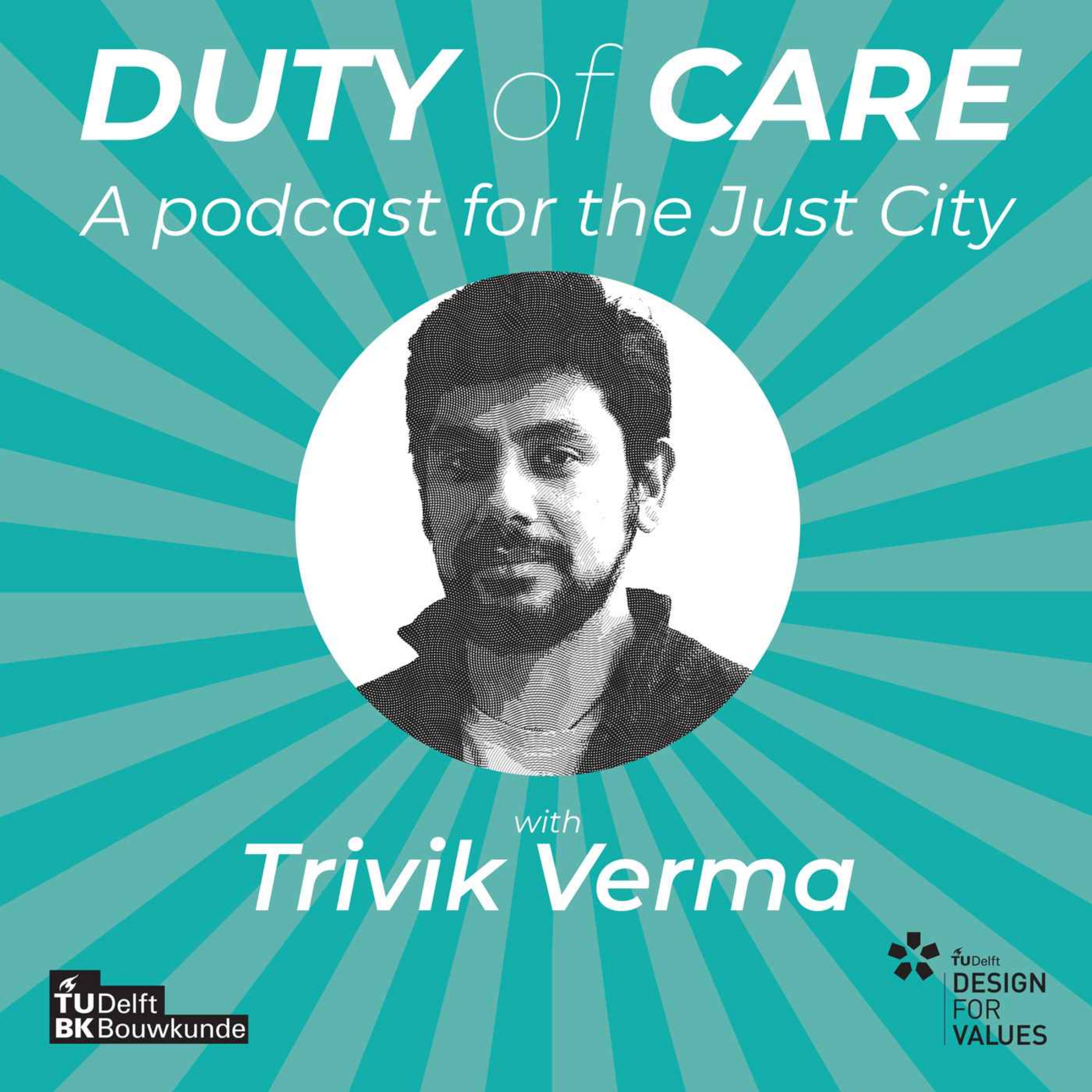
Trivik Verma on "Just Data" episode artwork

EPISODE · Oct 24, 2022 · 45 MIN

Trivik Verma on "Just Data"

from Duty of Care Podcast

The primary purpose of this session is to teach future data scientists to look beyond the technical power of artificial intelligence and recognise the possibilities and limitations of data and the spatial inequalities that galvanise as a result of data-driven technology and policy. This session will engage students at the intersection of data science, urbanisation, and effective communication. By interrogating the sociotechnical nature of urban problems, students should then be able to approach solutions to these problems in ways that prioritise social equity and justice. In the last decade, technological advancements have led us to embed large-scale networked systems, sensors, and computers into the built environment. Urban data has emerged as an excellent stream of constant, real-time, and accurate information about all urban activities. The big data revolution, coupled with the capacity of infrastructure to be “smart” has enticed cities and urban managers worldwide to participate in machine learning-based decision-making for improving the course of humanity. But city planning has largely been instituted around loosely coupled organisations within municipal and regional governments, project developers, companies and investors, transport, water, and energy operators. While some communities have enjoyed the benefits of policies based on the use of big data, machine learning and AI, many have also suffered disproportionately by being pushed to the physical and technological periphery of rapid development in cities. As data scientists, and especially as engineering and policy analysts, it is our responsibility to interrogate the quality of data, the design of intelligent systems and their impact on communities. Hosted on Acast. See acast.com/privacy for more information.

The primary purpose of this session is to teach future data scientists to look beyond the technical power of artificial intelligence and recognise the possibilities and limitations of data and the spatial inequalities that galvanise as a result of data-driven technology and policy. This session will engage students at the intersection of data science, urbanisation, and effective communication. By interrogating the sociotechnical nature of urban problems, students should then be able to approach solutions to these problems in ways that prioritise social equity and justice. In the last decade, technological advancements have led us to embed large-scale networked systems, sensors, and computers into the built environment. Urban data has emerged as an excellent stream of constant, real-time, and accurate information about all urban activities. The big data revolution, coupled with the capacity of infrastructure to be “smart” has enticed cities and urban managers worldwide to participate in machine learning-based decision-making for improving the course of humanity. But city planning has largely been instituted around loosely coupled organisations within municipal and regional governments, project developers, companies and investors, transport, water, and energy operators. While some communities have enjoyed the benefits of policies based on the use of big data, machine learning and AI, many have also suffered disproportionately by being pushed to the physical and technological periphery of rapid development in cities. As data scientists, and especially as engineering and policy analysts, it is our responsibility to interrogate the quality of data, the design of intelligent systems and their impact on communities. Hosted on Acast. See acast.com/privacy for more information.

NOW PLAYING

Trivik Verma on "Just Data"

0:00 45:24

No transcript for this episode yet

We transcribe on demand. Request one and we'll notify you when it's ready — usually under 10 minutes.

Ask A Spaceman Archives - 365 Days of Astronomy Ask A Spaceman Archives - 365 Days of Astronomy Podcasting Astronomy Every Day of the Year Eat to Live Jenna Fuhrman, Dr. Fuhrman Our health is our most precious gift and smart nutrition can change your life. Each month, join Dr. Fuhrman and his daughter, Jenna Fuhrman as they discuss important topics in the world of nutrition. Eat to Live will change the way you eat and think about food. French Your Way Jessica: Native French teacher founder of French Your Way Boost your French listening skills and test your comprehension with this one of a kind series of podcasts. Get the chance to listen to a real conversation between native speakers talking at normal speed AND customise your learning experience through carefully designed sets of questions (2 levels of difficulty) available for download at www.frenchvoicespodcast.com. All interviews also come with the transcript. French teacher Jessica interviews native speakers of French from around the world who share a bit of their life and passion. Where else would you meet in one same place a French yoga teacher based in Melbourne, a soap manufacturer from Provence, or a couple cycling around the world? That Hoarder: Overcome Compulsive Hoarding That Hoarder Hoarding disorder is stigmatised and people who hoard feel vast amounts of shame. This podcast began life as an audio diary, an anonymous outlet for somebody with this weird condition. That Hoarder speaks about her experiences living with compulsive hoarding, she interviews therapists, academics, researchers, children of hoarders, professional organisers and influencers, and she shares insight and tips for others with the problem. Listened to by people who hoard as well as those who love them and those who work with them, Overcome Compulsive Hoarding with That Hoarder aims to shatter the stigma, share the truth and speak openly and honestly to improve lives.

Frequently Asked Questions

How long is this episode of Duty of Care Podcast?

This episode is 45 minutes long.

When was this Duty of Care Podcast episode published?

This episode was published on October 24, 2022.

What is this episode about?

The primary purpose of this session is to teach future data scientists to look beyond the technical power of artificial intelligence and recognise the possibilities and limitations of data and the spatial inequalities that galvanise as a result of...

Can I download this Duty of Care Podcast episode?

Yes, you can download this episode by clicking the download button on the episode player, or subscribe to the podcast in your preferred podcast app for automatic downloads.
URL copied to clipboard!