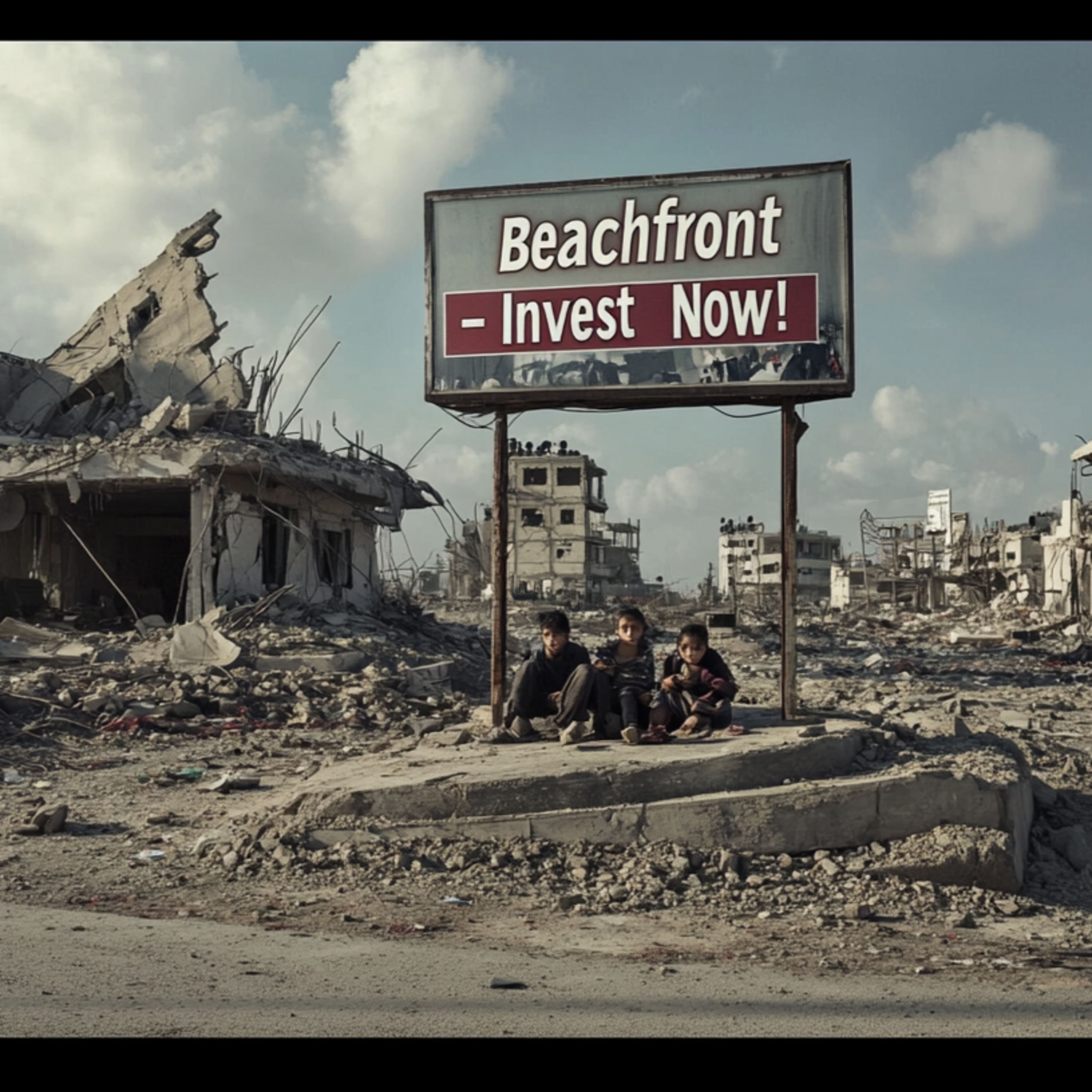
Trump’s Gaza Remarks | Israel-Palestine Crisis | U.S. Foreign Policy Shifts episode artwork

EPISODE · Feb 5, 2025 · 1H 4M

Trump’s Gaza Remarks | Israel-Palestine Crisis | U.S. Foreign Policy Shifts

from Conversations Among The Ruins · host Charles Erickson

In this conversation, Charles and Peter discuss Trump's recent remarks about the U.S. 'owning' Gaza, exploring the implications of such statements on U.S. foreign policy and the ongoing humanitarian crisis in the region. They analyze Trump's real estate mindset, the concept of ethnic cleansing, and the unlikelihood of Jordan and Egypt accepting Palestinian refugees. The discussion also touches on the potential long-term consequences for Israel's global standing and the dynamics of ceasefire agreements. In this conversation, Peter Nathaniel Erickson and Charles Erickson discuss the implications of Trump's statements regarding Israel and Palestine, the ceasefire agreement, and the potential for U.S. involvement in the region. They explore the Palestinian perspective on U.S. negotiations, global reactions to Trump's rhetoric, and the future of Gaza and the West Bank. The discussion also touches on Iran's potential response to U.S. actions, the challenges of U.S. diplomacy, and the ongoing war in Ukraine. Ultimately, they reflect on the significant shift in U.S. foreign policy and the complexities of international relations in a multipolar world. Trump's comments about Gaza ownership reflect a real estate mindset. The idea of the U.S. owning Gaza is seen as impossible. Ethnic cleansing is a recurring theme in U.S. foreign policy discussions. Jordan and Egypt are unlikely to accept Palestinian refugees. Trump's remarks may damage Israel's international reputation. The humanitarian crisis in Gaza is a significant concern. Younger generations are less supportive of Zionism. The ceasefire agreements are under negotiation and may change. Netanyahu's government faces pressure from both the U.S. and its own people. The long-term stability of Israel may be at risk due to current policies. Trump's influence on Israel-Palestine relations is complex. The ceasefire agreement's future is uncertain. Palestinians feel betrayed by U.S. negotiations. Global leaders condemn Trump's statements. Gaza's situation remains precarious despite ceasefire. The West Bank faces increasing settlement pressures. Iran's response to U.S. actions is unpredictable. U.S. diplomacy has lost credibility globally. Trump's approach to Ukraine is fraught with challenges. A significant shift in U.S. foreign policy is underway.

In this conversation, Charles and Peter discuss Trump's recent remarks about the U.S. 'owning' Gaza, exploring the implications of such statements on U.S. foreign policy and the ongoing humanitarian crisis in the region. They analyze Trump's real estate mindset, the concept of ethnic cleansing, and the unlikelihood of Jordan and Egypt accepting Palestinian refugees. The discussion also touches on the potential long-term consequences for Israel's global standing and the dynamics of ceasefire agreements. In this conversation, Peter Nathaniel Erickson and Charles Erickson discuss the implications of Trump's statements regarding Israel and Palestine, the ceasefire agreement, and the potential for U.S. involvement in the region. They explore the Palestinian perspective on U.S. negotiations, global reactions to Trump's rhetoric, and the future of Gaza and the West Bank. The discussion also touches on Iran's potential response to U.S. actions, the challenges of U.S. diplomacy, and the ongoing war in Ukraine. Ultimately, they reflect on the significant shift in U.S. foreign policy and the complexities of international relations in a multipolar world. Trump's comments about Gaza ownership reflect a real estate mindset. The idea of the U.S. owning Gaza is seen as impossible. Ethnic cleansing is a recurring theme in U.S. foreign policy discussions. Jordan and Egypt are unlikely to accept Palestinian refugees. Trump's remarks may damage Israel's international reputation. The humanitarian crisis in Gaza is a significant concern. Younger generations are less supportive of Zionism. The ceasefire agreements are under negotiation and may change. Netanyahu's government faces pressure from both the U.S. and its own people. The long-term stability of Israel may be at risk due to current policies. Trump's influence on Israel-Palestine relations is complex. The ceasefire agreement's future is uncertain. Palestinians feel betrayed by U.S. negotiations. Global leaders condemn Trump's statements. Gaza's situation remains precarious despite ceasefire. The West Bank faces increasing settlement pressures. Iran's response to U.S. actions is unpredictable. U.S. diplomacy has lost credibility globally. Trump's approach to Ukraine is fraught with challenges. A significant shift in U.S. foreign policy is underway.

NOW PLAYING

Trump’s Gaza Remarks | Israel-Palestine Crisis | U.S. Foreign Policy Shifts

0:00 1:04:25

No transcript for this episode yet

We transcribe on demand. Request one and we'll notify you when it's ready — usually under 10 minutes.

Frequently Asked Questions

How long is this episode of Conversations Among The Ruins?

This episode is 1 hour and 4 minutes long.

When was this Conversations Among The Ruins episode published?

This episode was published on February 5, 2025.

What is this episode about?

In this conversation, Charles and Peter discuss Trump's recent remarks about the U.S. 'owning' Gaza, exploring the implications of such statements on U.S. foreign policy and the ongoing humanitarian crisis in the region. They analyze Trump's real...

Can I download this Conversations Among The Ruins episode?

Yes, you can download this episode by clicking the download button on the episode player, or subscribe to the podcast in your preferred podcast app for automatic downloads.
URL copied to clipboard!