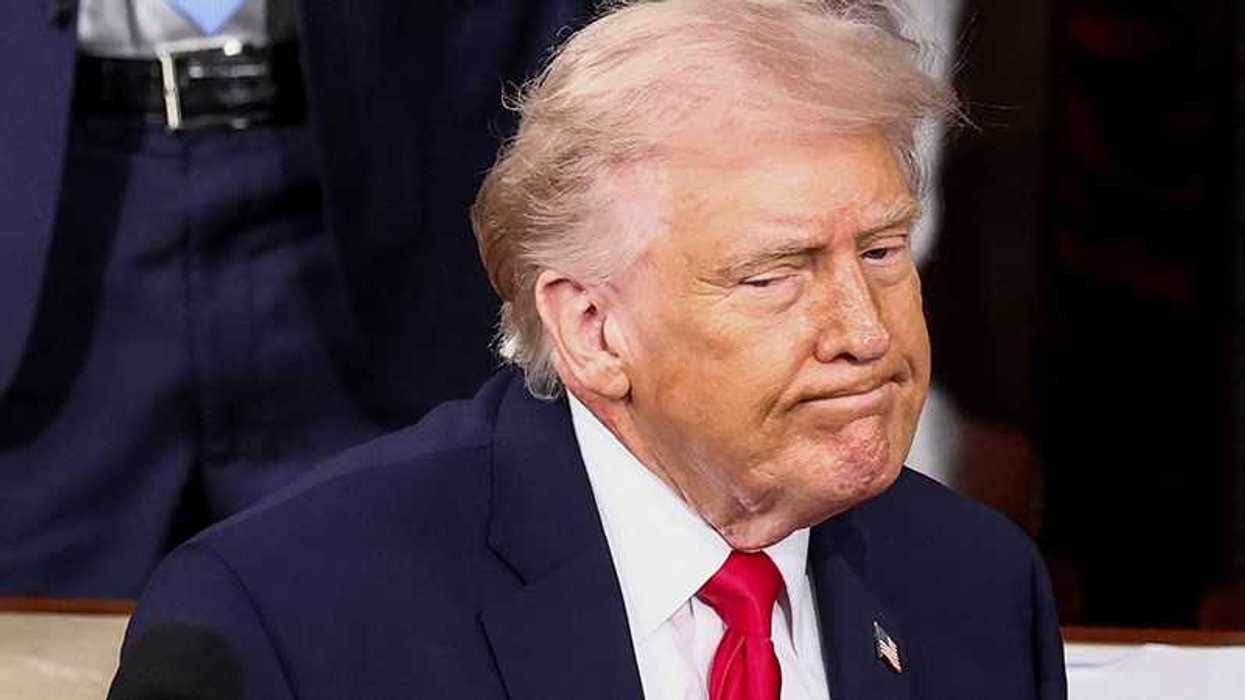
Trump's Social Security promise has a $169 billion problem: report
from Systemic Error Podcast Hosted by Paulo Santos
What happened AlterNet reports that President Donald Trump’s 2025 tax law is projected to reduce Social Security revenue by $169 billion over a decade, contradicting his promise that Republicans should not cut “a single penny” from the program. The chief actuary’s estimate concerns lost program revenue—not an immediate reduction in retirees’ monthly checks. The law did not eliminate federal taxation of Social Security benefits. It created measures including a temporary additional $6,000 deduction for people 65 and older, lowering many seniors’ tax bills while also reducing income-tax revenue flowing into Social Security’s trust funds. According to the 2026 trustees’ report cited by AlterNet, the new law, lower birth rates, and reduced immigration contributed to moving the projected depletion of retirement reserves from early 2033 to the end of 2032. Without congressional action, incoming taxes would then cover an estimated 78 percent of scheduled retirement and survivor benefits. A tax cut can still be a benefit cut Trump did not order a 22 percent reduction in Social Security checks. He signed legislation that, according to the reported actuarial estimate, weakens the program’s finances and brings the projected exhaustion of its reserves closer. That distinction matters, but it does not absolve the people who made the policy. Congress wrote and passed the tax law; Trump signed it. Their decision removed revenue from a system already approaching a financing deadline. Calling that anything other than a material policy choice would hide agency behind accounting language. The threatened reduction remains contingent on Congress refusing to act. But lawmakers created part of the shortfall they will later be asked to repair. A government can cut a program by reducing payments, or it can drain revenue and allow arithmetic to impose the cut later. The slogan conceals the transaction “No tax on Social Security” is cleaner campaign language than the legislation warrants. AlterNet reports that the law did not abolish taxation of benefits. Its temporary senior deduction may provide real tax relief, but political advertising converts that limited provision into a broader promise. That framing suppresses the tradeoff: some taxes on benefits help finance Social Security. Lowering those liabilities gives eligible seniors money now while taking revenue from the trust funds that support benefits later. The policy can be popular and still carry a cost. Advertising the first half while obscuring the second is political misdirection. Power belongs to the lawmakers Retirees did not engineer this contradiction. Neither did actuarial projections, demographic trends, or an impersonal “funding gap.” Elected officials control federal tax law and possess the authority to change Social Security’s revenue or benefits. Declining birth and immigration rates are among the factors identified by the trustees, but they should not become alibis for a deliberate legislative choice. Demographics create pressure; officials decide how to distribute it. The reported $169 billion loss follows from policy enacted by a Republican-controlled political project and signed by Trump. That is where responsibility sits. The weaker actors are future beneficiaries, who face uncertainty while politicians retain the power to raise revenue, alter benefits, or postpone action until the deadline becomes a weapon. Advertising replaces governing The Washington Post review cited by AlterNet found Republicans outspending Democrats seven to one on Social Security advertising across 63 competitive districts. Pennsylvania Republican Rep. Scott Perry highlighted the senior deduction while distancing himself from an earlier proposal involving benefits and the retirement age. His Democratic opponent, Janelle Stelson, campaigned on protecting retirees. Yet neither candidate, according to the report, offered a concrete solution to the shortfall. That omission exposes the campaign’s real structure: reassurance is rewarded, arithmetic is deferred. Candidates compete to claim ownership of protection while avoiding an explicit account of who would pay, how much revenue would be raised, or what benefits might change. The manufactured crisis comes later The larger pattern is fiscal attrition followed by political coercion. Officials reduce revenue, advertise the reduction as generosity, and leave the resulting deficit to a future Congress. When reserves approach depletion, the same shortfall can be presented as an unavoidable emergency rather than the cumulative result of identifiable decisions. Covering the reported gap in 2033 alone would require nearly $500 billion. Waiting does not make that burden neutral; it narrows the available choices and increases the leverage of those willing to let scheduled benefits fall. Trump’s promise and his tax policy are not merely inconsistent messages. Together they demonstrate how power operates: promise protection, weaken financing, and rely on distance between the decision and its consequences to blur responsibility. Thanks to Alter Net Source: Trump’s Social Security promise has a $169 billion problem: report This is a public episode. If you would like to discuss this with other subscribers or get access to bonus episodes, visit paulstsmith.substack.com
Embed this episode
No transcript yet.