This podcast is an audio recording of a live event. It may reference visual material that cannot be represented in this recording. It may also contain strong language and adult themes. The opinions expressed in this podcast do not necessarily reflect those of ACMI. Next is Alvin Rendell from RMIT. He's going to talk to us about 21st century dysfunctional superheroes. Okay, now I'd like to make it clear that I'm not talking about comic books. I'm talking about screen adaptations, being a screenwriting academic.
So if what I say is incorrect in the comic world, then so be it. I'm talking about the screen, the movie public. So I'd like to talk about... Can you hear me? I'd like to talk about the shifting psychological landscape of the superhero film and why the most popular contemporary superheroes could benefit from a session on the couch. Audiences' expectations have evolved with the changing sensitivities of society. As cinema encourages self-reflection of the human condition, audiences expect greater sophistication of their film genres. Genres have either reinvented themselves for modern audiences or they've lost all relevance.
Traditional Westerns are now distant memory. We now have cowboys and aliens. The war film can no longer sell itself on patriotism alone, but has morphed into confronting, gut-wrenching operas of hyper-real violence and cultural soul-searching. The screwball romantic comedies of old evolved into the reflective, self-analytical romantic comedies of Nora Ephron, Richard Curtis and Woody Allen. The superhero genre is simply the most recent to question and to reinvent itself. Superheroes are now written with more emotional baggage than ever before. Before the hero can defeat the villain, they must first overcome the conflict within.
This psychological dysfunction is multiplied when ensembles of superheroes all work through their inner conflict as they try to operate as a super team. The solutions to all of their neuroses must dovetail to defeat the greater evil. Let's see how flawed character psychology enhances audience empathy with the superhero and intensifies our experience of the action. We'll start by examining the character who kick-started the new wave of superheroes. Tony Stark is a psychiatrist's dream client. His catalogue of flaws outnumber any other superheroes. Despite his arrogance, self-confidence and selfishness, Tony Stark is, in the first film, wracked with guilt. In the sequel, he is a high-functioning alcoholic. In the third, he is incapacitated by post-traumatic stress disorder. These are weaknesses the audiences can relate to. They underscore the human condition. Tony is arrogant, rich and powerful, but his psychological flaws and doubts make him relatable, enhancing the potential for empathy.
Empathy, of course, gets us close and personal with the protagonist. It allows us to share the protagonist's struggle and rehearse our own response to conflict. Characters written with relatable human flaws encourage empathy. Audiences are moved to concern for the character by belief in their vulnerability. It's no accident that Loki is more popular than Thor. He's a broken super-being, ruled by misery, knowledge of his dark origins, and the pain of unrealized ambition. Oh, and failure to live up to his perfect brother. What's not to like? Neil D. Hicks.
argues that strong audience identification contributes to the generation of a state of suspense and is affected and directed by the character attributes. The more ordinarily human the character, the more easily audiences will identify. He contends the protagonist is an everyman thrust into an extreme situation, does not possess martial skills, does not come equipped with official sanction, is a dabbler in life, a person who is marked by the avoidance of commitment. has untested personal courage, honour or principles, and discovers that personal salvation is also the only method to save society from a larger menace or conspiracy. Crippling the superhero psychologically levels the playing field, temporarily negating the advantages of the superpower. It makes conflict more nuanced and relatable to the everyman.
And it enhances the audience's shared experience of the conflict. As we've seen with most of our 21st century superheroes, with great power comes self-doubt, destructive ego, guilt, heartbreak, loss, unrealized ambition, failure, despair, longing, heartbreak, identity crisis, unresolved daddy issues, traumatic stress, disorder, alcoholism, commitment issues, patriotic conflict, assassin's remorse, denial, and severe anger management issues. Tony Stark was thrust into an extreme situation in Iron Man when he was injured, captured, and forced to build a weapon for a terrorist. Tony Stark is not a ninja warrior and does not come with official sanction, made very clear in Iron Man 2. He was a privileged dabbler in life whose defining characteristic was the avoidance of commitment. Tony does seek redemption with untested personal courage, honor, and principles. Physically, psychologically, and morally, he could be one of us. Being smart is not a superpower. Tony Stark is the Tin Man without a heart from The Wizard of Oz. An egocentric billionaire whose casual disregard for the lives ended by his bombs is staggering. When a bomb shreds his heart, he wraps himself in a suit of armor with a gaping hole, symbolically where his human heart should be. He then embarks on a three-picture journey of personal redemption.
In the third, finally healing his human heart and ending his reliance on the tin one. His heroic actions are initially motivated by guilt, by the knowledge he's been double-dealing weapons to both sides of a conflict. When his own life hangs in the balance, it's the self-sacrifice of another man who gives him a chance to redeem himself. Don't waste it. Don't waste your life. The shocking realization of the misery his company has caused galvanizes his 180-degree change in attitude. He promises, I'm going to find my weapons and destroy them.
When Pepper protests, he responds, there is nothing except this. There is no art opening, there's no benefit, there is nothing to sign, there is the next mission and nothing else. At this point, Iron Man is a suit powered more by guilt than by palladium. In Iron Man 2, Tony's ego finds a new home in the Iron Man identity. Tony neglects his civic duty as he bastered the glow of his popularity. The government demands the Iron Man weapon, and he argues he is the only man with a genius to ever create one anyway, and the only person worthy to wear it.
When he's proven spectacularly wrong, his self-confidence takes a blow and is weakened further by the fact that suit's palladium is killing him. Tony's human weaknesses and fears re-emphasized restore audience identification with the character. Tony must realize that Iron Man is not only the suit, but the moral code that accompanies the title. As he reconciles to two, he is once again confident that he is Iron Man. Iron Man 3 sees Tony suffering post-traumatic stress disorder after defeating an alien army.
Check the heart, check the brain. No sign of cardiac anomaly or unusual brain activity. Okay, so it's poison. My diagnosis is that you've experienced a severe anxiety attack. Audiences empathize with an emotionally compromised Tony, giving each viewer the opportunity to bring their own relationship to crisis out into the open. When forced to save the day largely without his suits, he finally realizes that he, not the suit, is the hero. It now has new meaning when he says, I am Iron Man. The evolution of Tony Stark's ethical perspective has offered the centrality of the human soul in crafting a new breed of superheroes.
Neil D. Hicks writes that audience empathy hinges on the ability of the protagonist to become more than they were when they started, to grow. A good story, then, is satisfying to the audience not merely because the main character escapes death or puts a stop to the malevolence of the antagonist, but because in achieving these ends, the character is required by the pressures of the story to grow, to overcome the terror within. The psychological conflict must be significant enough to require him to overcome the inner problems before defeat of the external problem. Let's look at some psychologically compromised superheroes.
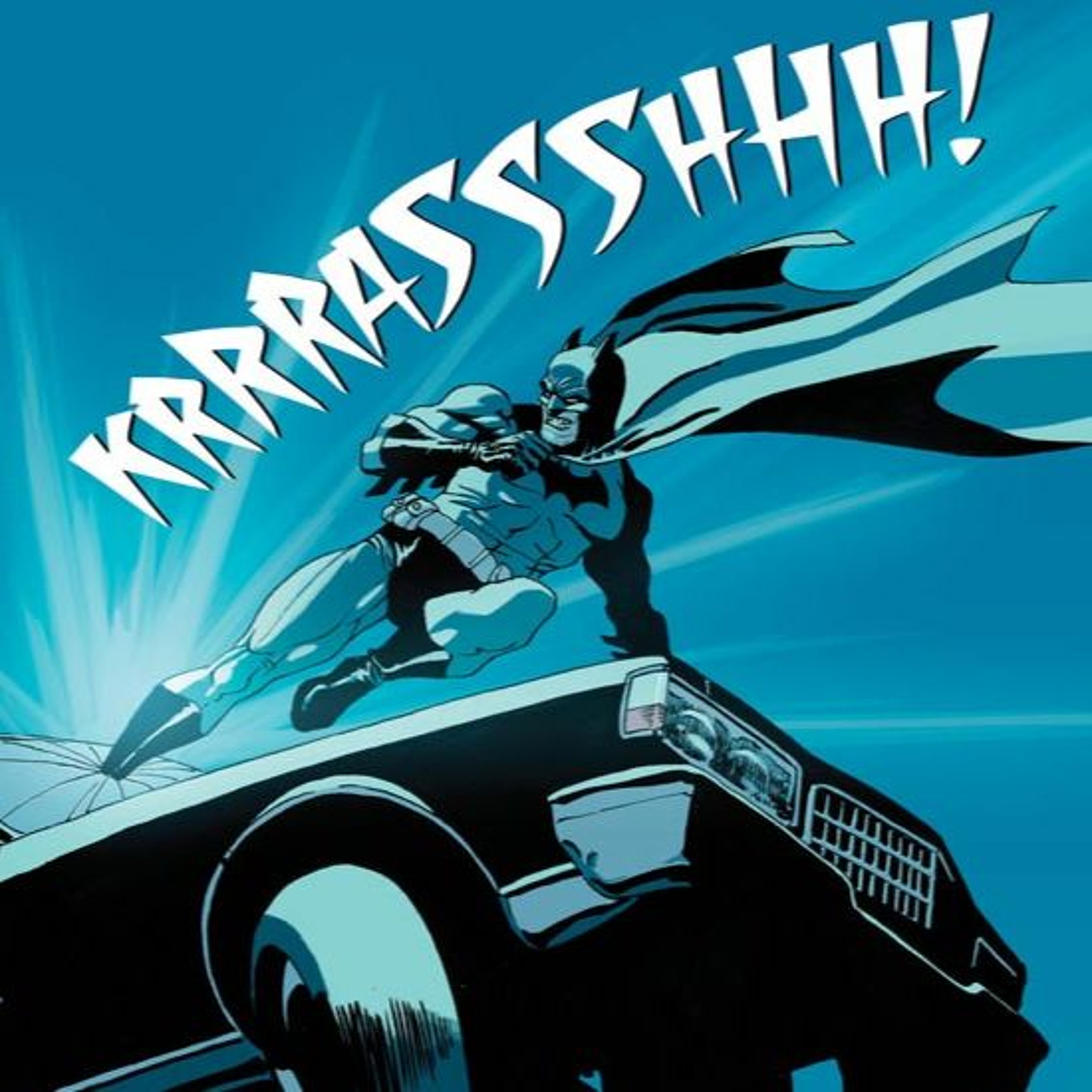
Black Widow, trained from a child as a state assassin, was sterilized at puberty so that nothing in her life could possibly become more important than the next kill. She confesses, I've got red in my ledger. I'd like to wipe it out. Loki asks, can you wipe out that much red? Bruce Banner denies his future with Natasha and wallows in the guilt of the lives he's destroyed in his superhuman rages. Looking into the DC universe, Batman, with no superpower, is motivated by a complex set of dark emotions. Wayne is a man scarred by events in his childhood. A psychologically vulnerable man, driven to amazing feats, but one who can be hurt, who can be killed.
His psychological scars are brutally exposed in recent films and he has never been more popular as a result. In Guardians of the Galaxy, Peter Quill's agonising memory of his failure to face his mother's death defines his adult life. In the battle heat of the film's climax, he is only able to draw strength to defeat Ronan once he first resolves his inner conflict in regard to his mother. Spider-Man's With Great Power Comes Great Responsibility was written in the blood of his beloved Uncle Ben. He is also haunted by the knowledge that those closest to him will always be the targets of his enemies. To his love, you and I can never be.
Stephen Strange is a brilliant surgeon who loses his surgeon's hands as a result of his towering ego and must reinvent himself to heal body and mind, learning to care for people rather than for his reputation. He ends by sacrificing his life many times over to save humanity. Hancock, if you remember that character, is an amnesiac, alcoholic superhero with no direction. His pain eventually comes from the realisation that proximity to his wife will kill them both. In order that the love of his life may live, he must never be with her again. By contrast, DC studio Superman has suffered critical and box office indifference this century.
Superman, like Captain America, displays or displayed no character flaws and has no physical weakness to which the audience can relate. People can't really identify with the fantasy element kryptonite. As for Cap, was Tony Stark speaking for the audience when he said, hey, I don't trust a guy with no dark side? Marvel, perhaps sensing this issue, compromised Captain America's unshakable moral code in Civil War. Cap chooses his friend over his government and the flag that defines him, introducing moral conflict to the character and making him more relatable to audiences.
The entire plot of Captain America Civil War was based on the team's collective anguish over the human collateral damage wrought by their actions, bringing them into moral conflict with their government and each other. Neil D. Hicks, once again, describes a principle that influences audience empathy for the thriller or superhero protagonist. Character ethos defines the character psychology and moral codes that governs characters' dramatic choices. To quote him, thriller films require the making of choices that explore the main character's doubts and weaknesses of what should I do.
At the same time, the audience is also trying to figure out how they would respond in the same circumstances because the choice arises from a shared ethos, which keeps the audience intensely identified with the protagonist's dilemma. So the writer, the screenwriter, seeks to match the moral codes of the protagonist to the viewing audience, maximising the potential for identification and, when the character suffers relatable psychological stress, empathy. Suicide Squad gathered a collective of ethically challenged heroes with relatable human issues to overcome a greater evil. Diablo, jailed for the anger-fuelled incineration of his own wife and child, vows to never again use his supernatural combustion abilities. Death cannot come soon enough for him. Deadshot's assassin's history has lost him access to his wife and cherished daughter. Harley Quinn is a psychiatrist rendered permanently insane by the psychological games of her last ever patient. That they anguish over their past misdeeds is evidence of an ethical framework that will assist the audience with their decision to identify with them. Thor, as a protagonist, has an uphill battle to achieve the level of audience identification for the generation of suspense.
No ordinary viewer who isn't actually a Norse god can imagine themselves in his world or in his shoes. Loki, however, provides the necessary human elements for audience interest that Thor lacks. Jealousy, envy, rage, and the tease that there may yet be good in him. He's still working out who he is, just like the rest of us. It balances out the advantages of his godlike abilities. According to Henri Bergson, noted philosopher of the early 20th century, the elements that work against audience empathy are those that render the character unnatural, robotic, or non-human.
Characters who exhibit inhuman capabilities generally have a distancing effect on the audience. It may be fun to watch, but empathy is reduced. The moment the viewer sees the character hurt, bleed, or fail, however, humanity is re-emphasized and empathy re-established. The most popular film superheroes demonstrate great will, marshaled by equally powerful guilt or psychological conflict. Read in their ledger, galvanizes their resolve. Flawed superheroes struggling with relatable human issues induce strong audience identification, empathy, and a shared experience of the danger.
The most consistently popular superheroes this century are Batman and Iron Man. It's no accident that both of these characters have zero actual superpowers and maximum psychological baggage. The human element allows audiences to suspend a level of disbelief in the fantastic and to share in the redemption of the protagonist. To a degree, this allows us to act out our own redemption through the psychological missteps and successes of our on-screen heroes. We no longer want to watch superheroes. We want to be them. Emphasizing the human element helps us to do that. Tony Stark is the epitome of this new framework. Great acts of courage arise when individuals push to emotional limits of their being.
From great anguish and pain, human beings are capable of superhuman feats of courage. This is what we understand of the human condition. This is what we now expect of our superheroes. Through the shared experience of the conflicted superhero, the audience walks in the shoes of imperfect human characters with whom they can identify. And in these globally troubled times, we may feel the need to rehearse our reaction to conflict more than ever, if only in the relative safety of our cinemas. Thank you.
You have been listening to an ACMI podcast. For more recordings, go to soundcloud.com slash ACMI online or the ACMI website.