Ultrasound of Choledocholithiasis (Common Bile Duct Stones) episode artwork

EPISODE · Aug 14, 2025 · 8 MIN

Ultrasound of Choledocholithiasis (Common Bile Duct Stones)

from Radiology Lectures | Radquarters · host Daniel J. Kowal, MD

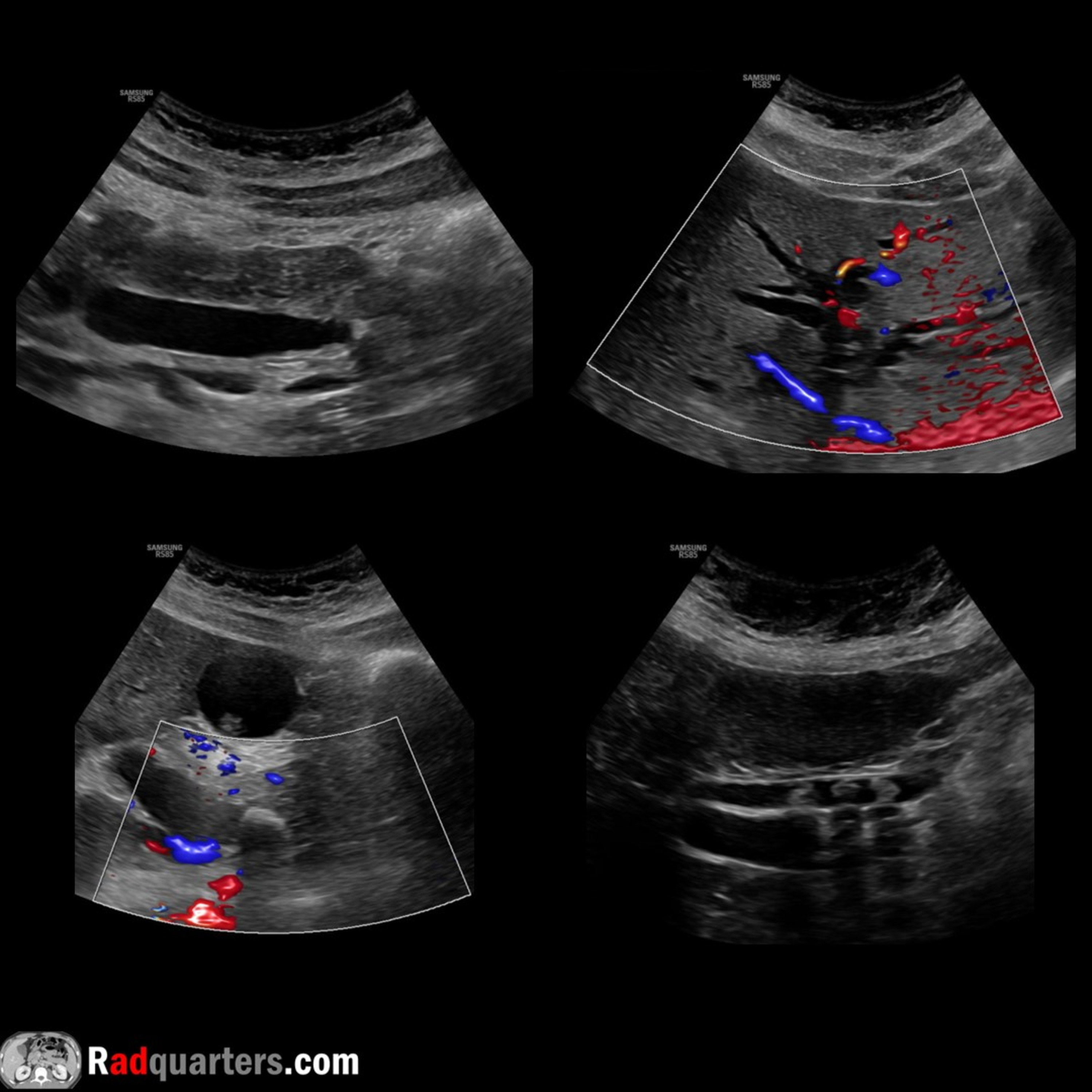
In this radiology lecture, we review the ultrasound appearance of choledocholithiasis (common bile duct stones)!Key teaching points include:Choledocholithiasis = Stones within common bile duct (CBD)Seen in up to 15% of patients with cholelithiasisClinical presentation: Asymptomatic, biliary colic, cholangitis, pancreatitis, jaundiceOn ultrasound, see rounded stone or stones in CBDShadowing of stone less common than with cholelithiasis, twinkling artifact may helpCBD dilatation defined as greater than 6 mm allowing for an additional 1 mm per decade above 60, or greater than 10 mm post-cholecystectomyIntrahepatic dilatation and cholelithiasis may be presentSensitivity of US up to 40% for detecting CBD stones, but US accuracy 90% for detecting CBD dilatationIf US negative and high clinical suspicious for choledocholithiasis, MRCP can be consideredCT has reduced sensitivity with only 15-20% gallstones visible on CTSupportive lab values: Elevated serum bilirubin, alkaline phosphatase (ALP), and gamma-glutamyl transferase (GGT). AST and ALT may also be elevated, but less specific. Labs can even be normal in the setting of choledocholithiasisTx may include endoscopic retrograde cholangiopancreatography (ERCP) followed by laparoscopic cholecystectomy. Intraoperative cholangiogram during cholecystectomy To learn more about the Samsung RS85 Prestige ultrasound system, please visit: ⁠⁠⁠⁠⁠⁠⁠⁠⁠⁠⁠⁠⁠⁠https://www.bostonimaging.com/rs85-prestige-ultrasound-system-4⁠⁠⁠⁠⁠⁠⁠⁠⁠⁠⁠⁠⁠⁠⁠Click the YouTube posts tab or follow on social media for bonus teaching material posted throughout the week!Website: ⁠⁠⁠⁠⁠⁠⁠⁠⁠⁠⁠⁠⁠⁠⁠https://radquarters.com/⁠⁠⁠⁠⁠⁠⁠⁠⁠⁠⁠⁠⁠⁠⁠Instagram: ⁠⁠⁠⁠⁠⁠⁠⁠⁠⁠⁠⁠⁠⁠⁠https://www.instagram.com/radquarters/⁠⁠⁠⁠⁠⁠⁠⁠⁠⁠⁠⁠⁠⁠⁠Facebook: ⁠⁠⁠⁠⁠⁠⁠⁠⁠⁠⁠⁠⁠⁠⁠https://www.facebook.com/radquarters/⁠⁠⁠⁠⁠⁠⁠⁠⁠⁠⁠⁠⁠⁠⁠X (Twitter): ⁠⁠⁠⁠⁠⁠⁠⁠⁠⁠⁠⁠⁠⁠⁠https://twitter.com/radquarters⁠⁠⁠⁠⁠⁠⁠⁠⁠⁠⁠⁠⁠⁠⁠Reddit: ⁠⁠⁠⁠⁠⁠⁠⁠⁠⁠⁠⁠⁠⁠⁠⁠https://www.reddit.com/user/radiologistHQ/⁠⁠⁠⁠This video is for informational purposes only. It does not replace the advice or counsel of a doctor or health care professional.

Episode metadata supplied by the publisher feed · Published Aug 14, 2025

In this radiology lecture, we review the ultrasound appearance of choledocholithiasis (common bile duct stones)!Key teaching points include:Choledocholithiasis = Stones within common bile duct (CBD)Seen in up to 15% of patients with cholelithiasisClinical presentation: Asymptomatic, biliary colic, cholangitis, pancreatitis, jaundiceOn ultrasound, see rounded stone or stones in CBDShadowing of stone less common than with cholelithiasis, twinkling artifact may helpCBD dilatation defined as greater than 6 mm allowing for an additional 1 mm per decade above 60, or greater than 10 mm post-cholecystectomyIntrahepatic dilatation and cholelithiasis may be presentSensitivity of US up to 40% for detecting CBD stones, but US accuracy 90% for detecting CBD dilatationIf US negative and high clinical suspicious for choledocholithiasis, MRCP can be consideredCT has reduced sensitivity with only 15-20% gallstones visible on CTSupportive lab values: Elevated serum bilirubin, alkaline phosphatase (ALP), and gamma-glutamyl transferase (GGT). AST and ALT may also be elevated, but less specific. Labs can even be normal in the setting of choledocholithiasisTx may include endoscopic retrograde cholangiopancreatography (ERCP) followed by laparoscopic cholecystectomy. Intraoperative cholangiogram during cholecystectomy To learn more about the Samsung RS85 Prestige ultrasound system, please visit: ⁠⁠⁠⁠⁠⁠⁠⁠⁠⁠⁠⁠⁠⁠https://www.bostonimaging.com/rs85-prestige-ultrasound-system-4⁠⁠⁠⁠⁠⁠⁠⁠⁠⁠⁠⁠⁠⁠⁠Click the YouTube posts tab or follow on social media for bonus teaching material posted throughout the week!Website: ⁠⁠⁠⁠⁠⁠⁠⁠⁠⁠⁠⁠⁠⁠⁠https://radquarters.com/⁠⁠⁠⁠⁠⁠⁠⁠⁠⁠⁠⁠⁠⁠⁠Instagram: ⁠⁠⁠⁠⁠⁠⁠⁠⁠⁠⁠⁠⁠⁠⁠https://www.instagram.com/radquarters/⁠⁠⁠⁠⁠⁠⁠⁠⁠⁠⁠⁠⁠⁠⁠Facebook: ⁠⁠⁠⁠⁠⁠⁠⁠⁠⁠⁠⁠⁠⁠⁠https://www.facebook.com/radquarters/⁠⁠⁠⁠⁠⁠⁠⁠⁠⁠⁠⁠⁠⁠⁠X (Twitter): ⁠⁠⁠⁠⁠⁠⁠⁠⁠⁠⁠⁠⁠⁠⁠https://twitter.com/radquarters⁠⁠⁠⁠⁠⁠⁠⁠⁠⁠⁠⁠⁠⁠⁠Reddit: ⁠⁠⁠⁠⁠⁠⁠⁠⁠⁠⁠⁠⁠⁠⁠⁠https://www.reddit.com/user/radiologistHQ/⁠⁠⁠⁠This video is for informational purposes only. It does not replace the advice or counsel of a doctor or health care professional.

PodParley-generated summary based on available episode metadata and transcript content.

NOW PLAYING

Ultrasound of Choledocholithiasis (Common Bile Duct Stones)

0:00 8:21

No transcript for this episode yet

We transcribe on demand. Request one and we'll notify you when it's ready — usually under 10 minutes.

Frequently Asked Questions

How long is this episode of Radiology Lectures | Radquarters?

This episode is 8 minutes long.

When was this Radiology Lectures | Radquarters episode published?

This episode was published on August 14, 2025.

What is this episode about?

In this radiology lecture, we review the ultrasound appearance of choledocholithiasis (common bile duct stones)!Key teaching points include:Choledocholithiasis = Stones within common bile duct (CBD)Seen in up to 15% of patients with...

Can I download this Radiology Lectures | Radquarters episode?

Yes, you can download this episode by clicking the download button on the episode player, or subscribe to the podcast in your preferred podcast app for automatic downloads.
URL copied to clipboard!