
EPISODE · Dec 20, 2025 · 1H 8M
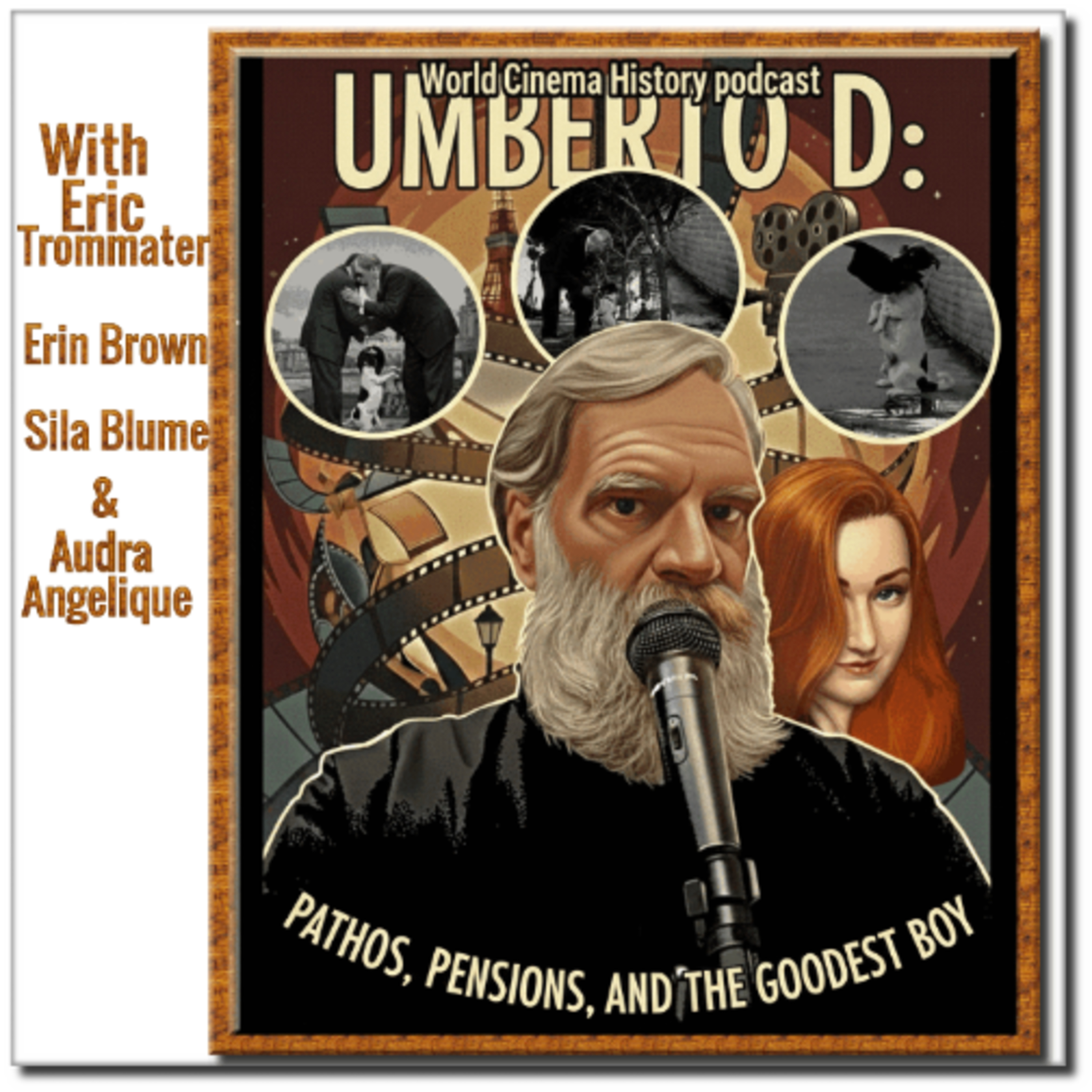
Umberto D (1952): Pathos, Pensions, and the Goodest Boy
from World Cinema History · host Eric Trommater
This week on World Cinema History, we continue our series on Aging and Mortality in 1950s Cinema. Having explored the bureaucratic cages of Kurosawa’s Ikiru and the cold Swedish apathy of Bergman’s Wild Strawberries, we now arrive in the blistering, post-war economic hangover of Vittorio De Sica’s 1952 film, Umberto D.Host Eric Trommater is joined by Erin Brown, Sila Blume, and Italianophile Audra Angelique to dissect a film that was so honest about Italian poverty it was publicly accused of "slandering Italy" by the government.In this episode, we discuss:The World’s Most Synchronized Dog: Why Flike is the true star of the film (and why he’s such a good boy).The 18,000 Lire Problem: We break down Umberto’s debt—roughly $340 in today’s money—and why such a "small" sum was a catastrophic, life-ending figure for a pensioner.The Irony of Neo-Realism: How a movement dedicated to "truth" was built on a foundation of noisily dubbed studio dialogue and non-professional actors.The Great Debate: Eric offers a pointed rebuttal to Erin’s preference for this film over China is Near, arguing that while Umberto D. leaves us paralyzed by outrage, Bellocchio’s satire provides a Brechtian "false happy ending" that allows us to process the hypocrisy of the political center.From Realism to Satire: Finding the seeds of Commedia all’italiana in the film’s darkest moments—from professional beggars to Flike holding the hat in his mouth.Join us as we explore the "poetry of the ordinary" and the political minefield that defined one of the most influential eras in film history.Sound CreditsOpening Audio: Courtesy of Martin Scorsese’s introduction to Umberto D. on Turner Classic Movies (TCM).Musical Theme: Canto di Lavoro composed by Alessandro Cicognini.Classical Selections: * Vivaldi, Concerto for Viola d'amore in A Minor, RV 397.Rossini, La Gazza Ladra (The Thieving Magpie) Overture.Next Week: We conclude our series with Yasujirō Ozu’s Tokyo Story.Check us out on YouTube: https://youtube.com/@worldcinehist?si=z8Yay0W0I-6APEZz on Apple Podcasts: https://podcasts.apple.com/us/podcast/world-cinema-history/id1744483892 or Spotify: https://open.spotify.com/show/4YkCJSJvngtDMhey0CNsWj?si=i143kCA8RQKhQauUICLrmA or follow us on X (The Artist Formerly Known as Twitter): @etrommater Consider joining the World Cinema History DVD Extras Club.Benefits include:* Bonus Episodes * Attending Live Recordings of the Show * Our Love and Appreciation * Whatever Else We Think of in The Future * Having your name mispronounced on the podcast (sorry in advance) To join just go to https://ko-fi.com/worldcinemahistoryand make a recurring monthly payment for any amount.
Embed this episode
NOW PLAYING
Umberto D (1952): Pathos, Pensions, and the Goodest Boy
No transcript for this episode yet
Similar Episodes
No similar episodes found.
Similar Podcasts
No similar podcasts found.