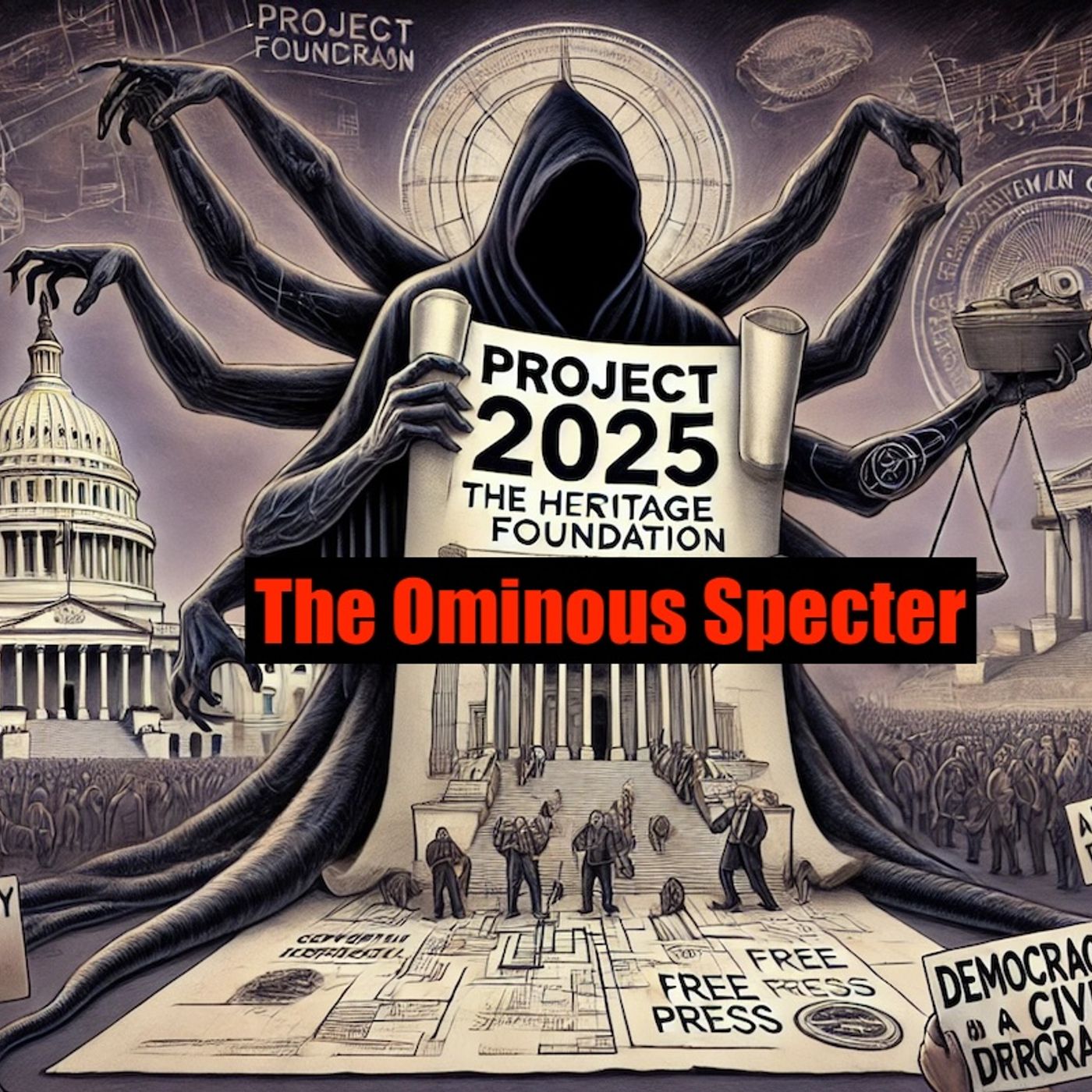
"Unchecked Executive Power: Project 2025's Threat to American Democracy" episode artwork

EPISODE · May 8, 2025 · 5 MIN

"Unchecked Executive Power: Project 2025's Threat to American Democracy"

from Project 2025: The Ominous Specter · host Inception Point AI

As I delve into the intricacies of Project 2025, a sense of unease settles in, not just because of the far-reaching implications it holds for American governance, but also due to the sheer breadth of its ambitions. This initiative, spearheaded by conservative organizations, is nothing short of a blueprint for a radical transformation of the federal government, one that could reshape the very fabric of U.S. democracy. At its core, Project 2025 is rooted in the unitary executive theory, an expansive interpretation of presidential power that aims to centralize greater control over the government in the White House. Kevin Roberts, a key proponent, succinctly captures this vision: "All federal employees should answer to the president."[4] One of the most striking aspects of Project 2025 is its proposal to dismantle several critical federal agencies. The Department of Homeland Security (DHS), for instance, would be eliminated, and the Transportation Security Administration (TSA) would be privatized. This move is particularly alarming given the pivotal role these agencies have played in national security since their inception following the 9/11 terrorist attacks. The idea of reverting to a pre-9/11 era of security measures is, as the American Federation of Government Employees (AFGE) puts it, "not only irresponsible but also puts all of us at risk."[2] The Department of Education is another casualty of this plan, with oversight of education and federal funding being handed over to the states. This shift not only undermines federal standards but also jeopardizes protections against sex-based discrimination, gender identity, and sexual orientation in schools. The erosion of these safeguards could have devastating consequences for marginalized communities, leaving them vulnerable to discrimination and inequality[2]. The Federal Emergency Management Agency (FEMA) is also on the chopping block, with its responsibilities potentially being absorbed by the Department of Interior or the Department of Transportation. This change would shift the costs of disaster preparedness and response to states and local governments, a move that could exacerbate the already strained resources of these entities[2]. The Environmental Protection Agency (EPA) faces significant cuts as well, with the elimination of regional labs, offices of enforcement and compliance, and scientific integrity. This would essentially give corporations a free pass to pollute, endangering public health by compromising the air, water, and food Americans rely on[2]. Beyond these agency-specific changes, Project 2025 aims to dismantle the independence of various regulatory bodies. Agencies like the Federal Trade Commission (FTC), Federal Communications Commission (FCC), and Equal Employment Opportunity Commission (EEOC) are targeted for their quasi-legislative and quasi-judicial roles, which are designed to operate free from political interference. The project seeks to overrule the landmark Supreme This content was created in partnership and with the help of Artificial Intelligence AI.

As I delve into the intricacies of Project 2025, a sense of unease settles in, not just because of the far-reaching implications it holds for American governance, but also due to the sheer breadth of its ambitions. This initiative, spearheaded by conservative organizations, is nothing short of a blueprint for a radical transformation of the federal government, one that could reshape the very fabric of U.S. democracy. At its core, Project 2025 is rooted in the unitary executive theory, an expansive interpretation of presidential power that aims to centralize greater control over the government in the White House. Kevin Roberts, a key proponent, succinctly captures this vision: "All federal employees should answer to the president."[4] One of the most striking aspects of Project 2025 is its proposal to dismantle several critical federal agencies. The Department of Homeland Security (DHS), for instance, would be eliminated, and the Transportation Security Administration (TSA) would be privatized. This move is particularly alarming given the pivotal role these agencies have played in national security since their inception following the 9/11 terrorist attacks. The idea of reverting to a pre-9/11 era of security measures is, as the American Federation of Government Employees (AFGE) puts it, "not only irresponsible but also puts all of us at risk."[2] The Department of Education is another casualty of this plan, with oversight of education and federal funding being handed over to the states. This shift not only undermines federal standards but also jeopardizes protections against sex-based discrimination, gender identity, and sexual orientation in schools. The erosion of these safeguards could have devastating consequences for marginalized communities, leaving them vulnerable to discrimination and inequality[2]. The Federal Emergency Management Agency (FEMA) is also on the chopping block, with its responsibilities potentially being absorbed by the Department of Interior or the Department of Transportation. This change would shift the costs of disaster preparedness and response to states and local governments, a move that could exacerbate the already strained resources of these entities[2]. The Environmental Protection Agency (EPA) faces significant cuts as well, with the elimination of regional labs, offices of enforcement and compliance, and scientific integrity. This would essentially give corporations a free pass to pollute, endangering public health by compromising the air, water, and food Americans rely on[2]. Beyond these agency-specific changes, Project 2025 aims to dismantle the independence of various regulatory bodies. Agencies like the Federal Trade Commission (FTC), Federal Communications Commission (FCC), and Equal Employment Opportunity Commission (EEOC) are targeted for their quasi-legislative and quasi-judicial roles, which are designed to operate free from political interference. The project seeks to overrule the landmark Supreme This content was created in partnership and with the help of Artificial Intelligence AI.

NOW PLAYING

"Unchecked Executive Power: Project 2025's Threat to American Democracy"

0:00 5:05

No transcript for this episode yet

We transcribe on demand. Request one and we'll notify you when it's ready — usually under 10 minutes.

Frequently Asked Questions

How long is this episode of Project 2025: The Ominous Specter?

This episode is 5 minutes long.

When was this Project 2025: The Ominous Specter episode published?

This episode was published on May 8, 2025.

What is this episode about?

As I delve into the intricacies of Project 2025, a sense of unease settles in, not just because of the far-reaching implications it holds for American governance, but also due to the sheer breadth of its ambitions. This initiative, spearheaded by...

Can I download this Project 2025: The Ominous Specter episode?

Yes, you can download this episode by clicking the download button on the episode player, or subscribe to the podcast in your preferred podcast app for automatic downloads.
URL copied to clipboard!