
EPISODE · Mar 4, 2025 · 7 MIN
Uncovering the Radical Transformation: Project 2025's Blueprint for a Reshaped U.S. Government
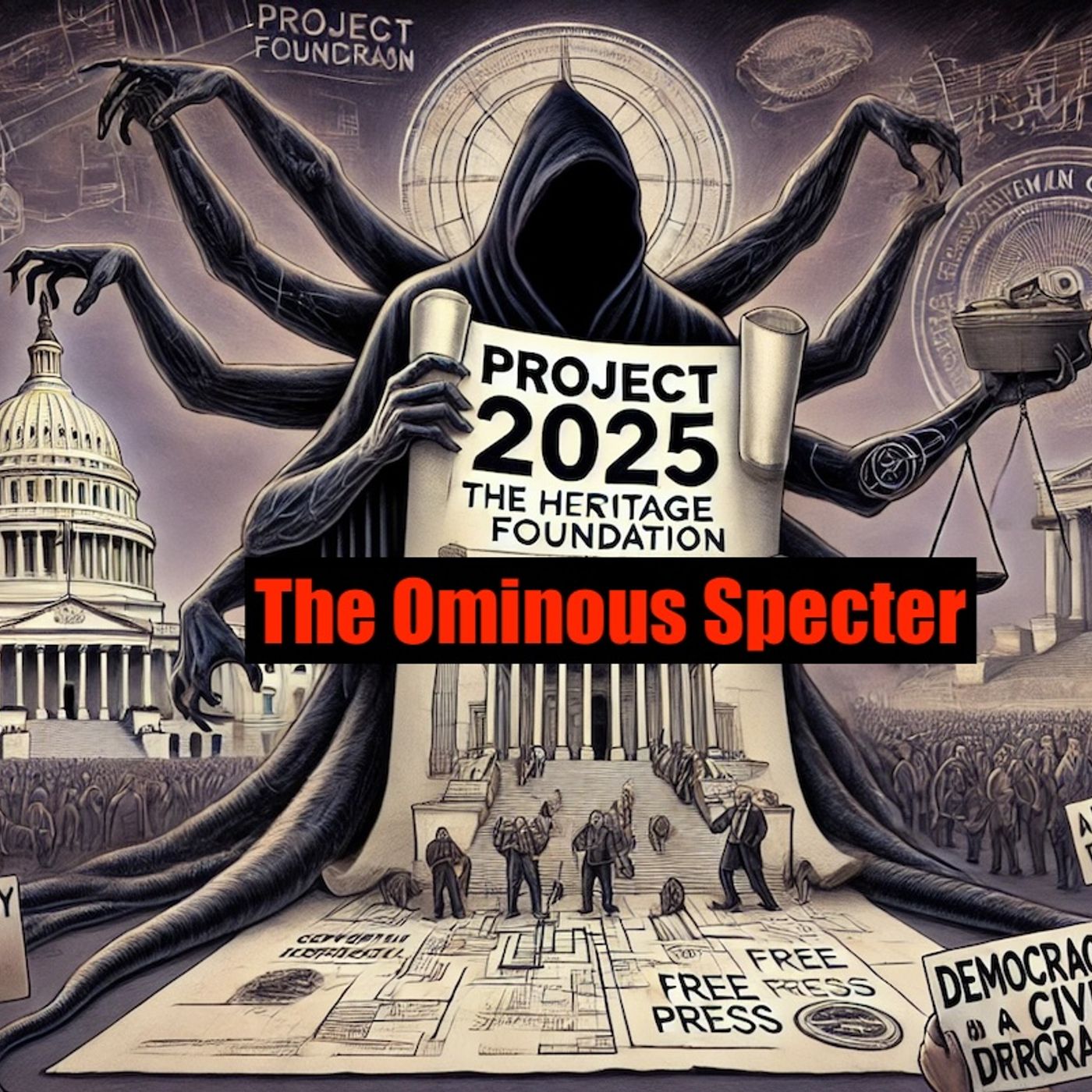
from Project 2025: The Ominous Specter · host Inception Point AI
As I delved into the intricacies of Project 2025, I couldn't help but feel a sense of both fascination and alarm. This sprawling initiative, spearheaded by the Heritage Foundation and involving a myriad of conservative groups and former Trump administration officials, is nothing short of a blueprint for a radical transformation of the U.S. federal government. At its core, Project 2025 is a 900-page manifesto that outlines a vision for a second Trump presidency, one that would usher in sweeping changes across various federal agencies and policy domains. The project is divided into four key pillars: a comprehensive policy guide, a database of potential personnel, a training program for these candidates, and a detailed playbook for the first 180 days in office[3]. One of the most striking aspects of Project 2025 is its ambition to consolidate executive power. The plan advocates for placing the entire executive branch under direct presidential control, eliminating the independence of agencies like the Department of Justice (DOJ), the Federal Bureau of Investigation (FBI), and the Federal Trade Commission (FTC). This is rooted in a controversial interpretation of the unitary executive theory, which aims to centralize greater control over the government in the White House. As Kevin Roberts, a key figure in the project, put it, "all federal employees should answer to the president"[1]. The project's impact on federal agencies is profound. For instance, it proposes dismantling or abolishing several key departments, including the Department of Education and the Department of Homeland Security. The Department of Education, in particular, would see its role significantly reduced, with control over education funding and policy transferred to the states. This would include closing the Department of Education and shifting programs under the Individuals with Disabilities' Education Act (IDEA) to the Department of Health and Human Services[1][2]. In the realm of education, Project 2025 envisions a future where federal involvement is minimal. It suggests allowing Title I of the Elementary and Secondary Education Act of 1965 to expire, thereby removing $18 billion in federal funds for schools in low-income areas. Instead, public funds would be available as school vouchers, even for parents sending their children to private or religious schools. The Head Start program, which provides essential services to children of low-income families, would be ended, with critics like Roger Severino arguing it does not provide value, though without providing evidence[1][2]. The project's stance on environmental policy is equally contentious. It seeks to reverse a 2009 EPA finding that carbon dioxide emissions are harmful to human health, preventing the federal government from regulating greenhouse gas emissions. The EPA's Office of Environmental Justice and External Civil Rights would be closed, and the agency would be barred from using private health data to determine the This content was created in partnership and with the help of Artificial Intelligence AI.
Embed this episode
Ready to play
Uncovering the Radical Transformation: Project 2025's Blueprint for a Reshaped U.S. Government
No transcript for this episode yet
Similar Episodes
No similar episodes found.
Similar Podcasts
No similar podcasts found.