
EPISODE · May 25, 2026 · 24 MIN
Understanding Data Literacy Through Citizen Science: Skills Kids Develop
from The STEM Lab
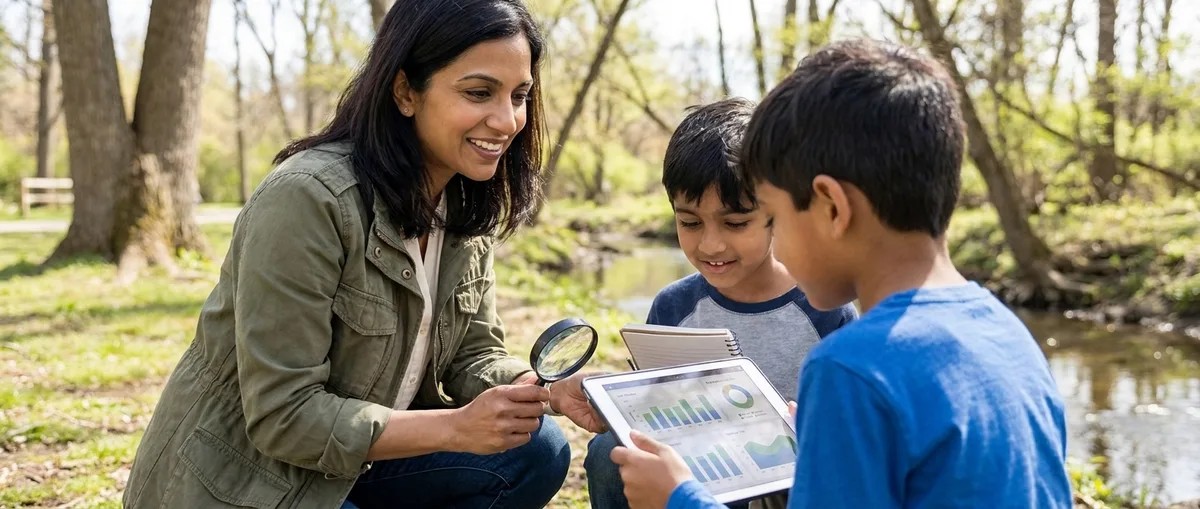
Most parents think citizen science is just a nice weekend activity for kids, but it's actually one of the most effective ways to teach real data analysis skills. In this episode, we break down exactly how kids develop data literacy through authentic research participation, from simple bird counting at age 7 to designing original environmental studies by age 16. We'll cover the predictable stages every child moves through, what technical equipment you actually need versus what's just nice to have, and why the skills kids build through citizen science transfer so powerfully to advanced coursework, standardized tests, and future careers. Data literacy in citizen science means kids learn to collect information carefully, spot when something looks wrong in their measurements, find patterns in the numbers, and explain what they discovered using charts and evidence. It's not just writing down observations, it's learning to think like a scientist who has to make sure their work is trustworthy. Kids progress through four predictable stages starting with simple data collection around age 7, then learning to spot measurement problems around age 10, creating their own graphs and calculations around age 13, and finally designing original experiments by age 16. Each stage builds on the last one, kind of like leveling up in a video game where you unlock new abilities. The big difference between citizen science and regular school projects is that your child's data actually matters. Their bird sightings or water quality measurements get added to real databases that professional scientists use for climate research and conservation decisions, which completely changes how seriously kids take the work. You don't need expensive equipment to start. Simple biodiversity projects like counting birds or tracking weather need just field guides and internet access, while sensor-based projects for measuring air or water quality typically cost between $50 and $300 upfront. The skills kids develop are the same either way. These skills transfer directly to school success because students who collect real environmental data consistently do better on science tests, especially questions about reading graphs, designing experiments, and explaining their reasoning. They've lived through these concepts instead of just memorizing definitions from a textbook. Show Links Affiliate Disclosure: As an Amazon Associate I earn from qualifying purchases. Full article National Geographic Bird Watching Kit Related Articles LEGO STEM Education: Complete Guide to Building Technical Skills Through Brick-Based Learning STEM Toys for 10 Year Olds That Teach Real Skills: Skill-Building Guide How to Choose a Citizen Science Kit for Your Child's Skill Level Best 3D Printers for Kids and Teens: Complete Buyer's Guide for Educational STEM Learning Best Robotics Kits for Kids: Complete Guide to Building Real Engineering Skills
NOW PLAYING
Understanding Data Literacy Through Citizen Science: Skills Kids Develop
No transcript for this episode yet
Similar Episodes
Mar 26, 2026 ·1m
Mar 19, 2026 ·34m
Feb 18, 2026 ·11m
Feb 11, 2026 ·45m