Uniqlo bets on Myeongdong's tourism revival with new flagship store episode artwork

EPISODE · May 21, 2026 · 4 MIN

Uniqlo bets on Myeongdong's tourism revival with new flagship store

from Korea JoongAng Daily - Daily News from Korea · host HWANG JEONG-IL

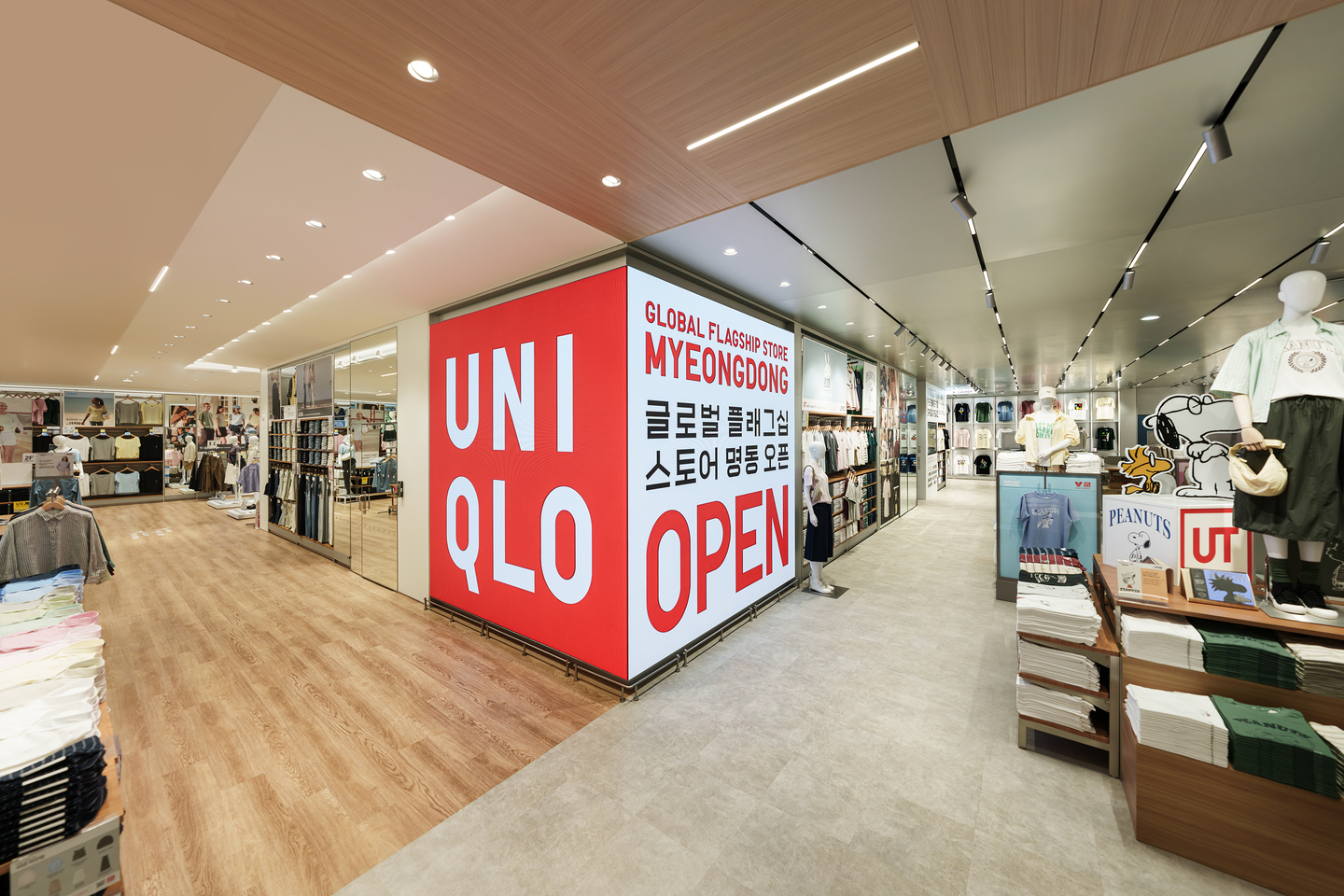
This article is by Hwang Jeong-il and read by an artificial voice. Once battered by a prolonged slump in the aftermath of the Covid-19 pandemic, Myeongdong — long regarded as Seoul's top tourist shopping district — has returned to its prepandemic bustle, with retail vacancy rates also normalizing. The revival has been fueled by the district's transformation from a duty-free and cosmetics-centered shopping zone into a multifaceted destination spanning fashion, food, culture and beauty. As foreign tourists return, both Korean and global brands are also accelerating their expansion into the area. At 2 p.m. on Tuesday, Myeongdong's main alleys were crowded with foreign tourists despite it being a weekday. Chinese could be heard throughout the streets alongside English and Japanese. Korea welcomed a record 4.8 million foreign visitors in the first quarter of this year, the highest ever for a first quarter. A large portion of those travelers visited downtown, which, according to the Korea Tourism Organization, was Seoul's most-visited commercial district among foreign tourists in the first half of last year. The influx of visitors has reinvigorated the neighborhood and driven rents upward. The rental price index for commercial properties in the Myeongdong area rose 2.4 percent from the previous quarter, according to the Korea Real Estate Board, far outpacing Seoul's average increase of 0.5 percent. Real estate consultancy Cushman & Wakefield Korea said Myeongdong's retail vacancy rate had fallen to 5.6 percent as of the end of last year, recovering to prepandemic levels. The vacancy rate had soared to 49.9 percent in 2021. What stands out most is the district's evolution from a low-cost cosmetics and duty-free shopping hub into a broader lifestyle retail destination. Pharmacies — once relatively uncommon in the area — have proliferated and become must-visit stops for foreign tourists. "Before Covid-19, Myeongdong largely revolved around cosmetics and duty-free stores, but it is now transforming into a comprehensive shopping district encompassing fashion, beauty, food and pharmaceuticals," an industry source said. "As the range of content expands, the area is attracting tourists far more quickly than before." The transformation is also reshaping the visitor demographic. The share of tourists in their 20s visiting Myeongdong has been rising by roughly 50 percent annually. While the district was once heavily dependent on groups of Chinese tourists, its visitor base has recently diversified to include travelers from North America, Europe and Southeast Asia. As Myeongdong stages a dramatic comeback, domestic and global brands are moving quickly to establish a presence there. Fashion retailer Musinsa opened a three-story store in January, while Olive Young launched an outlet in March, its second largest in Korea. Against the bustling backdrop, Uniqlo finally returned to the area for the first time in five years. The company, which withdrew from the district in 2021 amid the pandemic, opened a three-story, 3,254-square-meter (35,026-square-foot) global flagship store on Friday. The outlet — the largest Uniqlo store in Korea with 42 checkout counters — houses the brand's full lineup for men, women, kids and babies under one roof. Uniqlo operates global flagship stores in only 16 locations worldwide, including New York, London, Shanghai and Tokyo. With Uniqlo's return, Myeongdong is expected to emerge as a battleground for major fast fashion brands. Competitors include SPAO, Top Ten and Musinsa. "This is not simply a large-format store," said Lim Jung-eun, head store manager of Uniqlo Myeongdong. "It is a flagship store designed around experiences unique to Myeongdong, including exclusive products and a layout tailored for foreign tourists, such as dedicated duty-free zones. We aim to broaden customer engagement through experiences that only Uniqlo can offer." This article was originally written in Korean and translated by a bilingual ...

This article is by Hwang Jeong-il and read by an artificial voice. Once battered by a prolonged slump in the aftermath of the Covid-19 pandemic, Myeongdong — long regarded as Seoul's top tourist shopping district — has returned to its prepandemic bustle, with retail vacancy rates also normalizing. The revival has been fueled by the district's transformation from a duty-free and cosmetics-centered shopping zone into a multifaceted destination spanning fashion, food, culture and beauty. As foreign tourists return, both Korean and global brands are also accelerating their expansion into the area. At 2 p.m. on Tuesday, Myeongdong's main alleys were crowded with foreign tourists despite it being a weekday. Chinese could be heard throughout the streets alongside English and Japanese. Korea welcomed a record 4.8 million foreign visitors in the first quarter of this year, the highest ever for a first quarter. A large portion of those travelers visited downtown, which, according to the Korea Tourism Organization, was Seoul's most-visited commercial district among foreign tourists in the first half of last year. The influx of visitors has reinvigorated the neighborhood and driven rents upward. The rental price index for commercial properties in the Myeongdong area rose 2.4 percent from the previous quarter, according to the Korea Real Estate Board, far outpacing Seoul's average increase of 0.5 percent. Real estate consultancy Cushman & Wakefield Korea said Myeongdong's retail vacancy rate had fallen to 5.6 percent as of the end of last year, recovering to prepandemic levels. The vacancy rate had soared to 49.9 percent in 2021. What stands out most is the district's evolution from a low-cost cosmetics and duty-free shopping hub into a broader lifestyle retail destination. Pharmacies — once relatively uncommon in the area — have proliferated and become must-visit stops for foreign tourists. "Before Covid-19, Myeongdong largely revolved around cosmetics and duty-free stores, but it is now transforming into a comprehensive shopping district encompassing fashion, beauty, food and pharmaceuticals," an industry source said. "As the range of content expands, the area is attracting tourists far more quickly than before." The transformation is also reshaping the visitor demographic. The share of tourists in their 20s visiting Myeongdong has been rising by roughly 50 percent annually. While the district was once heavily dependent on groups of Chinese tourists, its visitor base has recently diversified to include travelers from North America, Europe and Southeast Asia. As Myeongdong stages a dramatic comeback, domestic and global brands are moving quickly to establish a presence there. Fashion retailer Musinsa opened a three-story store in January, while Olive Young launched an outlet in March, its second largest in Korea. Against the bustling backdrop, Uniqlo finally returned to the area for the first time in five years. The company, which withdrew from the district in 2021 amid the pandemic, opened a three-story, 3,254-square-meter (35,026-square-foot) global flagship store on Friday. The outlet — the largest Uniqlo store in Korea with 42 checkout counters — houses the brand's full lineup for men, women, kids and babies under one roof. Uniqlo operates global flagship stores in only 16 locations worldwide, including New York, London, Shanghai and Tokyo. With Uniqlo's return, Myeongdong is expected to emerge as a battleground for major fast fashion brands. Competitors include SPAO, Top Ten and Musinsa. "This is not simply a large-format store," said Lim Jung-eun, head store manager of Uniqlo Myeongdong. "It is a flagship store designed around experiences unique to Myeongdong, including exclusive products and a layout tailored for foreign tourists, such as dedicated duty-free zones. We aim to broaden customer engagement through experiences that only Uniqlo can offer." This article was originally written in Korean and translated by a bilingual ...

NOW PLAYING

Uniqlo bets on Myeongdong's tourism revival with new flagship store

0:00 4:22

No transcript for this episode yet

We transcribe on demand. Request one and we'll notify you when it's ready — usually under 10 minutes.

No similar episodes found.

No similar podcasts found.

Frequently Asked Questions

How long is this episode of Korea JoongAng Daily - Daily News from Korea?

This episode is 4 minutes long.

When was this Korea JoongAng Daily - Daily News from Korea episode published?

This episode was published on May 21, 2026.

What is this episode about?

This article is by Hwang Jeong-il and read by an artificial voice. Once battered by a prolonged slump in the aftermath of the Covid-19 pandemic, Myeongdong — long regarded as Seoul's top tourist shopping district — has returned to its prepandemic...

Can I download this Korea JoongAng Daily - Daily News from Korea episode?

Yes, you can download this episode by clicking the download button on the episode player, or subscribe to the podcast in your preferred podcast app for automatic downloads.
URL copied to clipboard!